
Agriculture in Rwanda: Exploring Rwanda Farming, Farm Tours & Sustainable Rural Experiences
Rwanda is celebrated worldwide for unforgettable gorilla trekking in Volcanoes National Park and iconic wildlife safaris across its savannahs — but the true soul of the country lives in its farmland. Agriculture in Rwanda employs the majority of the population, shaping rural livelihoods, sustaining families, and preserving traditions passed down through generations. Rwanda farming is deeply woven into culture, community cooperation, and daily life, from terraced hillsides to vibrant local markets. At Amahoro Tours, we believe that to truly understand Rwanda, you must step beyond the safari and into the fields where its story begins. In this guide, we explore traditional farming systems, the rise of modern agriculture in Rwanda, specialty crops driving economic growth, and immersive farm day tours in Rwanda — culminating in the powerful community-based experience at Red Rocks Rwanda with Amahoro Tours
Agriculture in Rwanda: Economic Backbone & Cultural Identity
Agriculture in Rwanda forms the structural foundation of the country’s economy and social fabric. Beyond contributing significantly to national GDP, farming shapes settlement patterns, community relationships, and daily routines across both hillsides and valleys. Rwanda farming is not simply an economic activity; it reflects generational knowledge, land stewardship, and cultural continuity. From terraced slopes to valley wetlands, agricultural landscapes define the nation’s identity and sustain millions of livelihoods. See why adding this farming day tour to your Rwanda tours experience is an incredible addition!
Rwanda Farmers and Rural Livelihoods
Rwanda farmers play a central role in sustaining rural communities and ensuring national food stability. Agricultural work supports household incomes, finances education, and strengthens local trade networks. In many villages, farming activity influences everything from school schedules to community gatherings, demonstrating how deeply intertwined agriculture is with everyday life in Rwanda.
Over Two-Thirds of Rwanda’s Population Depends on Farming
A significant majority of Rwandans rely directly or indirectly on agriculture for income and sustenance. This widespread dependence underscores the importance of continued agricultural development and resilience planning. Because farming supports such a large share of the population, improvements in productivity, sustainability, and market access have a direct and meaningful impact on national well-being.
Most Rwanda Farmers Operate Smallholder Farms (Less Than 2 Hectares)
Smallholder farms dominate Rwanda’s agricultural structure, with most producers cultivating modest plots of land. These compact farms require intensive land management practices, careful crop rotation, and efficient use of limited space. Despite their size, smallholder operations contribute substantially to domestic food supply and local markets, demonstrating how Rwanda farming thrives through skill, precision, and dedication rather than scale alone.
Community Cooperation Systems and Shared Labor Traditions
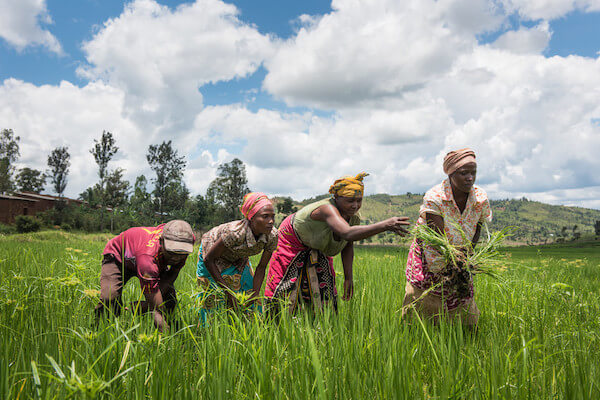
Collaboration remains a defining feature of rural agricultural life. Farmers frequently participate in collective work arrangements where neighbors assist one another during peak planting or harvesting periods. These cooperative systems strengthen social bonds, improve efficiency, and reduce labor shortages during demanding seasons. Such traditions reinforce trust within communities and ensure that even smaller households can successfully manage their fields.
Role of Women in Rwanda Farming and Household Food Security
Women are at the forefront of agricultural production in Rwanda, contributing significantly to crop cultivation, livestock care, and food preparation. Their leadership in household farming decisions directly influences nutrition and food availability for families. By managing both production and market participation, women help stabilize household incomes and strengthen long-term food security across rural areas.
Seasonal Cycles: Planting, Harvesting, Local Markets
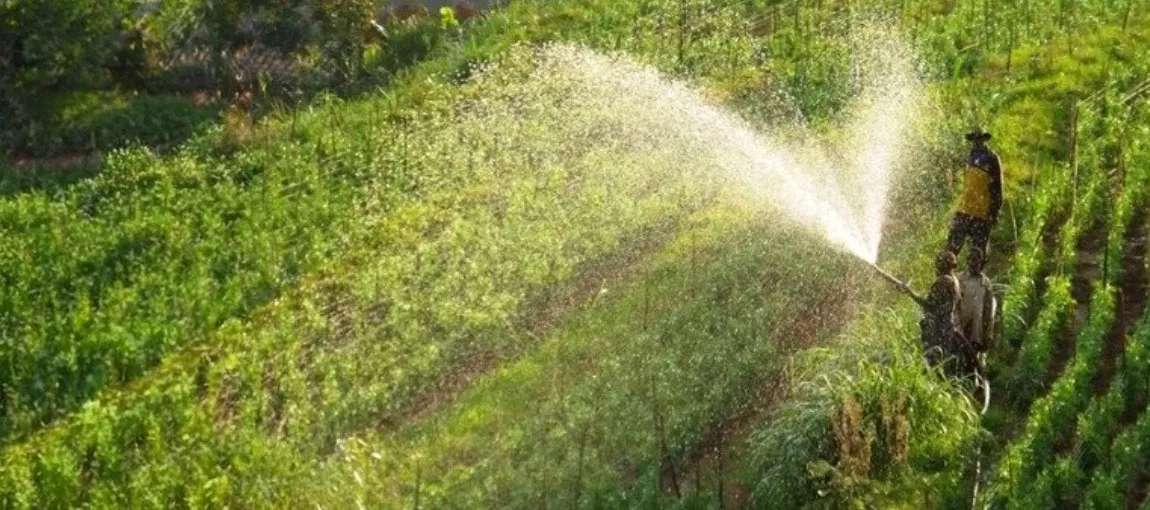
Agricultural life in Rwanda follows well-defined seasonal rhythms shaped by rainfall patterns and climate conditions. Planting periods bring intensive field preparation and sowing, while harvest seasons transform villages into centers of activity and trade. Local markets flourish during peak harvest times, connecting producers with buyers and reinforcing regional food networks. These recurring cycles structure rural calendars and maintain the steady flow of agricultural goods throughout the year.
 Rwanda’s diverse elevations, fertile volcanic soils, and reliable bimodal rainfall allow farmers to cultivate a wide range of crops across the country’s hills and valleys. From subsistence staples grown on terraced slopes to premium export commodities produced in highland estates, Rwanda farming reflects both food security priorities and international market opportunities. Crop selection often depends on altitude, soil composition, and access to markets, making agricultural production highly localized and region-specific throughout the country.
The Rise of Modern Agriculture in Rwanda
Specialty & High-Value Farming in Rwanda
Rwanda’s agricultural sector is steadily shifting beyond subsistence production toward specialty and high-value crops that generate stronger returns for farmers. With supportive policies, improving infrastructure, and growing regional trade links, many producers are investing in niche markets that offer better pricing and long-term sustainability. This transformation reflects a broader strategy to strengthen rural incomes while positioning Rwanda farming within competitive regional and global supply chains.
Garlic Farming in Rwanda: A Growing Opportunity
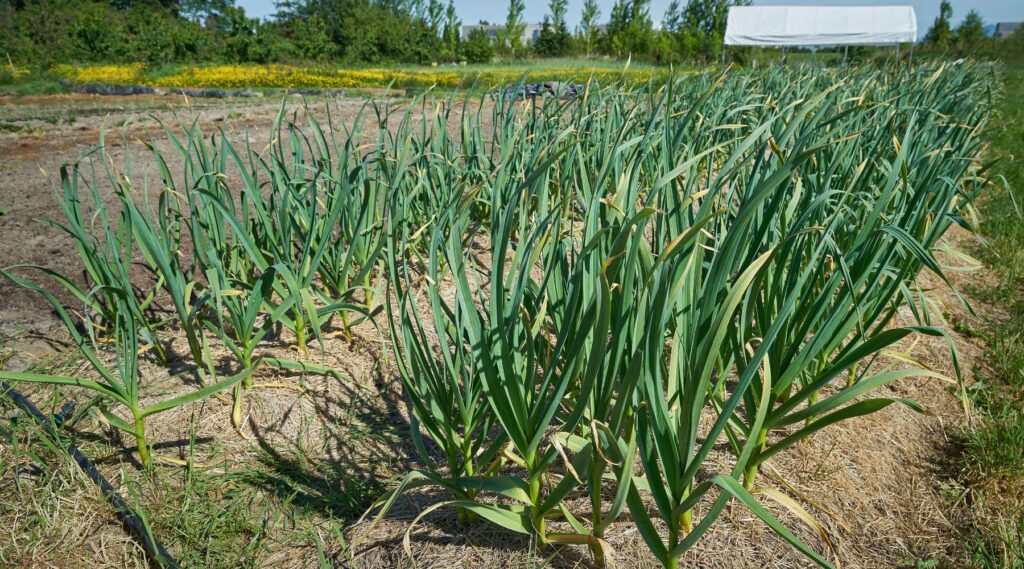
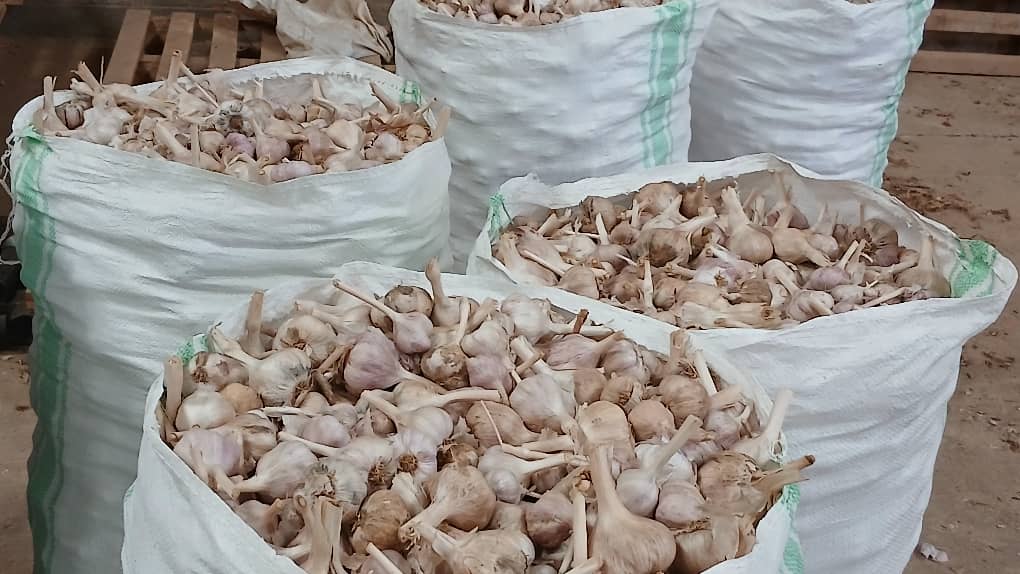
Garlic farming in Rwanda has expanded notably in recent years as domestic consumption and cross-border demand continue to rise. The country’s fertile volcanic soils, particularly in the Northern Province, provide excellent drainage and nutrient-rich conditions ideal for bulb development. Because garlic matures relatively quickly compared to many perennial crops, farmers can generate income within a single season, making it attractive for smallholders seeking faster returns. Produce is sold in local markets and increasingly transported to neighboring countries, strengthening regional trade connections. For visitors, garlic fields offer a clear view of planting patterns, soil preparation techniques, and post-harvest drying processes, making them an engaging feature of agricultural tours.
Macadamia Farming in Rwanda: A Premium Export Crop
Macadamia farming in Rwanda has grown rapidly as investors and cooperatives recognize its export potential and long-term profitability. Trees are often integrated into agroforestry systems, helping reduce soil erosion on steep hillsides while improving environmental resilience. Although macadamia orchards require patience before full production, they provide steady income once mature, offering financial stability for participating farmers. Processing facilities within the country allow nuts to be dried, cracked, and prepared for international markets, adding value locally before export. For travelers exploring rural regions, visiting macadamia orchards provides insight into Rwanda’s shift toward tree crops and sustainable land management practices.
Organic Farming in Rwanda: Sustainable & Eco-Friendly
Organic farming in Rwanda is gaining momentum as consumers worldwide increasingly seek chemical-free produce and ethically grown food. Many farmers rely on composting, animal manure, and crop rotation to maintain soil fertility naturally, reducing dependence on synthetic inputs. This approach supports environmental conservation while protecting water sources and biodiversity. Organic methods also align closely with Rwanda’s eco-tourism vision, creating opportunities for visitors to explore farms that emphasize sustainability. Farm-to-table experiences, where guests enjoy meals prepared from freshly harvested organic ingredients, further highlight the connection between responsible agriculture and immersive travel experiences.
Rwanda Farm Tours: Experience Agriculture Firsthand
 Rwanda farm tours offer travelers a rare opportunity to step beyond observation and truly participate in rural life. With Amahoro Tours, visitors enter the living landscape of agriculture in Rwanda — walking through terraced hillsides, meeting local growers, and gaining firsthand insight into Rwanda farming traditions that sustain communities across the country. These experiences connect guests directly with the people and practices shaping the nation’s food systems, creating meaningful encounters rooted in learning, respect, and shared experience.
What Makes Rwanda Farm Tours Unique
Rwanda’s agricultural tours are distinctive because they combine education, cultural immersion, and sustainability into one enriching journey. Rather than being staged attractions, these farm visits unfold in real working environments where Rwanda farmers cultivate crops, raise livestock, and adapt to both traditional and modern agricultural methods. Each visit is personal, participatory, and deeply connected to the rhythms of rural life.
Authentic Interaction with Rwanda Farmers
One of the most powerful aspects of Rwanda farm tours is the genuine interaction with local farmers. Guests sit together with farming families, listen to their stories, and learn how agriculture shapes daily life. These conversations reveal not only cultivation techniques but also generational knowledge, resilience, and pride. The experience fosters mutual understanding, allowing travelers to appreciate the human side of agriculture in Rwanda beyond statistics and scenery.
Hands-On Activities: Planting, Harvesting, Feeding Livestock
Participation transforms a farm visit into an unforgettable memory. Depending on the season, guests may help sow seeds, harvest vegetables, or gather produce destined for local markets. Feeding goats or cows and collecting fresh eggs adds another layer of engagement. These hands-on moments provide insight into the labor and care behind Rwanda farming while offering visitors a tangible connection to the land.
Traditional Farming Tools vs Modern Techniques Comparison
Rwanda farm tours also showcase the evolution of agriculture in Rwanda by highlighting both heritage practices and contemporary innovations. Visitors may see hand hoes and simple irrigation methods alongside greenhouse structures and improved crop varieties. This side-by-side comparison illustrates how Rwanda farmers blend tradition with progress, embracing modern agriculture while preserving time-honored knowledge.
Learning About Local Food Systems
Understanding where food comes from deepens appreciation for every meal. During farm tours, guests explore how crops move from field to household or market, gaining awareness of supply chains within rural communities. Discussions often cover seasonal planning, soil care, and crop rotation strategies. This broader perspective on Rwanda farming demonstrates how agriculture supports food security and strengthens local economies.
Cultural Exchange and Storytelling
Beyond the fields, Rwanda farm tours create space for cultural sharing. Farmers often recount oral histories, explain farming rituals, and describe community cooperation systems that support agricultural work. Visitors may share meals prepared with freshly harvested ingredients, turning simple dishes into meaningful dialogue. Through storytelling and shared experiences, agriculture becomes a bridge that connects travelers and local communities in a way that is authentic and lasting.
Farm Day Tours in Rwanda with Amahoro Tours
Amahoro Tours offers immersive farm day experiences that take visitors deep into Rwanda’s vibrant rural heartlands. Half-day excursions allow travelers to witness smallholder farmers tending to crops like maize, beans, and macadamia, while full-day tours provide hands-on participation in planting, harvesting, and caring for livestock. For those seeking a richer adventure, itineraries can combine agricultural exploration with wildlife encounters in nearby national parks, offering a unique perspective on how Rwanda’s landscapes sustain both people and wildlife. Educational groups and sustainability-focused travelers gain insights into modern and traditional farming techniques, while photography enthusiasts can capture the colors, textures, and rhythms of Rwanda’s working farms. Each tour also actively supports community-based tourism initiatives, ensuring that local farmers benefit directly from visitor engagement.
Benefits of Agricultural Tourism
Agricultural tourism in Rwanda delivers tangible benefits for both visitors and local communities. By engaging with farm tours, travelers provide direct economic support to Rwanda farmers, helping smallholders generate additional income beyond traditional markets. These experiences also help preserve centuries-old farming knowledge, from planting techniques to soil conservation practices, while promoting environmentally responsible approaches like organic and agroforestry methods. For the tourism sector, farm day tours diversify offerings beyond wildlife safaris, creating new avenues for travel experiences that highlight Rwanda’s cultural and agricultural heritage. Through these immersive visits, visitors leave with a deeper appreciation for the resilience, innovation, and dedication of Rwanda’s farming communities, while actively contributing to sustainable rural development.
Red Rocks Rwanda: A Model of Community-Based Agriculture & Tourism
Red Rocks Rwanda stands as a powerful example of how rural development, conservation, and tourism can work together in harmony. Rooted in community leadership, the initiative blends agriculture, cultural heritage, and responsible travel into one integrated experience. Rather than separating Rwanda tourism from daily village life, Red Rocks Rwanda places farming and local traditions at the center of the visitor journey. This approach demonstrates how agriculture in Rwanda can be both economically productive and culturally enriching while supporting long-term sustainability.
About Red Rocks Rwanda
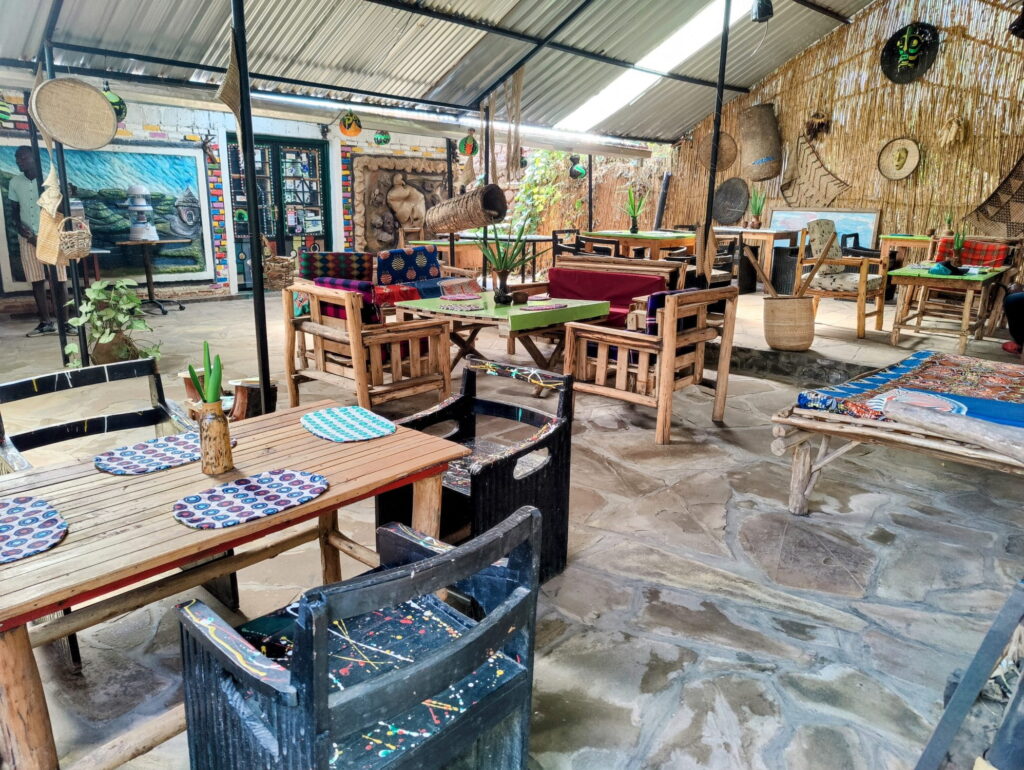 Located near Volcanoes National Park in Musanze District, Red Rocks Rwanda operates as a community-driven eco-tourism and cultural center that prioritizes local empowerment. Its proximity to the best gorilla trekking in Rwanda allows travelers to extend their stay beyond wildlife viewing and engage directly with rural communities. The project connects sustainable tourism with hands-on agricultural initiatives, creating income streams that benefit surrounding households. As a trusted partner featured in Amahoro Tours itineraries, Red Rocks Rwanda offers guests a deeper understanding of how tourism can positively influence farming communities in northern Rwanda.
Agricultural Activities at Red Rocks Rwanda
Agriculture is woven into the daily rhythm of Red Rocks Rwanda, offering visitors direct exposure to practical farming methods. Guests can observe organic vegetable cultivation, learn how compost is prepared using natural materials, and explore soil conservation techniques adapted to Rwanda’s hilly terrain. Beekeeping initiatives introduce travelers to honey production while highlighting the importance of pollination for crop yields. Livestock care experiences and guided visits to banana plantations provide additional insight into diversified rural livelihoods. Through active participation in Rwanda farming techniques, visitors gain an authentic appreciation for the effort and knowledge required to sustain productive land.
Lodging at Red Rocks Rwanda
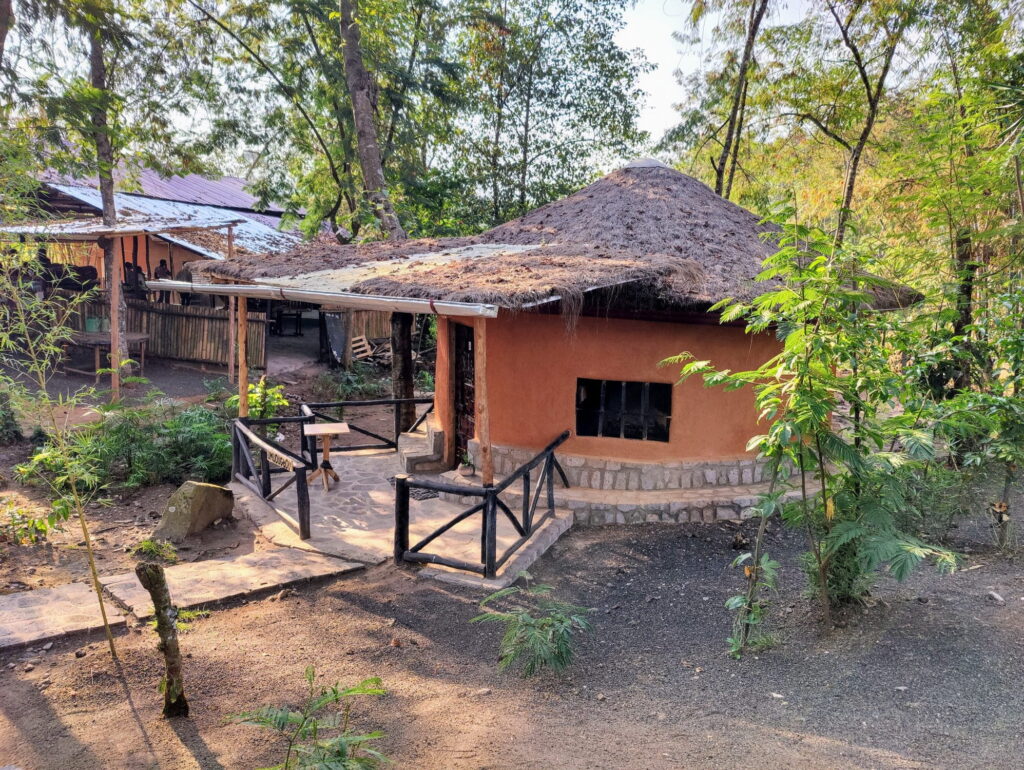
Accommodation at Red Rocks Rwanda reflects its eco-conscious philosophy, combining simplicity with comfort. The guesthouse facilities are designed to minimize environmental impact while maintaining a warm and welcoming atmosphere. Managed by members of the local community, hospitality here emphasizes personal connection and cultural exchange. The setting offers a peaceful base for travelers interested in farm day tours in Rwanda, with easy access to nearby agricultural fields and village life. Staying overnight allows guests to experience the natural sounds, evening conversations, and early morning farm routines that define rural living.
Cultural & Community Experiences
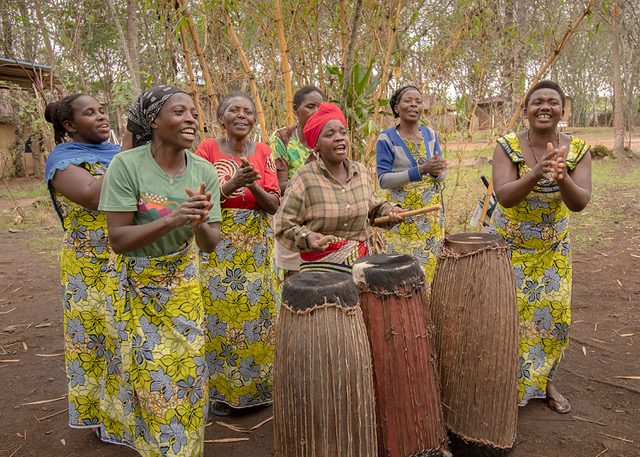 Beyond agriculture, Red Rocks Rwanda provides immersive cultural activities that celebrate local heritage. Visitors can join traditional cooking sessions using freshly harvested produce, gaining insight into regional dishes and preparation methods. Demonstrations of banana beer brewing showcase longstanding social customs tied to farming traditions. Creative workshops, including basket weaving, highlight artisanal skills passed down through generations. Evenings often feature local music and dance, along with storytelling sessions that share personal accounts of Rwanda farmers and the country’s rural transformation. These experiences foster meaningful connections that go far beyond sightseeing.
Why Amahoro Tours Recommends Red Rocks Rwanda
Amahoro Tours recommends Red Rocks Rwanda because it delivers measurable impact alongside memorable travel experiences. By directing tourism revenue into community projects and agricultural initiatives, the center strengthens economic resilience for Rwanda farmers. Its programs align closely with sustainability goals tied to modern agriculture in Rwanda, emphasizing environmental stewardship and social responsibility. Including Red Rocks Rwanda in an itinerary enriches a traditional safari by adding cultural depth and local engagement. For travelers combining their visit with gorilla trekking in Volcanoes National Park, it offers an ideal complement — grounding wildlife adventures in the everyday realities of rural Rwandan life.
Book Your Rwanda Farming Tour: Discover Rwanda Beyond the Safari
Agriculture in Rwanda is more than an economic pillar — it is the living thread that connects landscapes, livelihoods, and cultural heritage across the country. From smallholder farms cultivating staple crops to innovative greenhouse projects and high-value exports like garlic and macadamia, Rwanda farming continues to evolve with resilience and vision. Through immersive Rwanda farm tours and meaningful community partnerships such as Red Rocks Rwanda, travelers can witness firsthand how agriculture and sustainable tourism work together to strengthen rural communities. If you’re ready to experience Rwanda beyond the your one day gorilla trek in Rwanda — to walk the fields, meet the farmers, and understand the land that sustains the nation — Amahoro Tours invites you to book your Rwanda farming journey and discover a deeper, more authentic side of this remarkable country. Book your tour today!
See What Our Guests Are Saying