
Mountain Gorilla Conservation: Trekking with Purpose
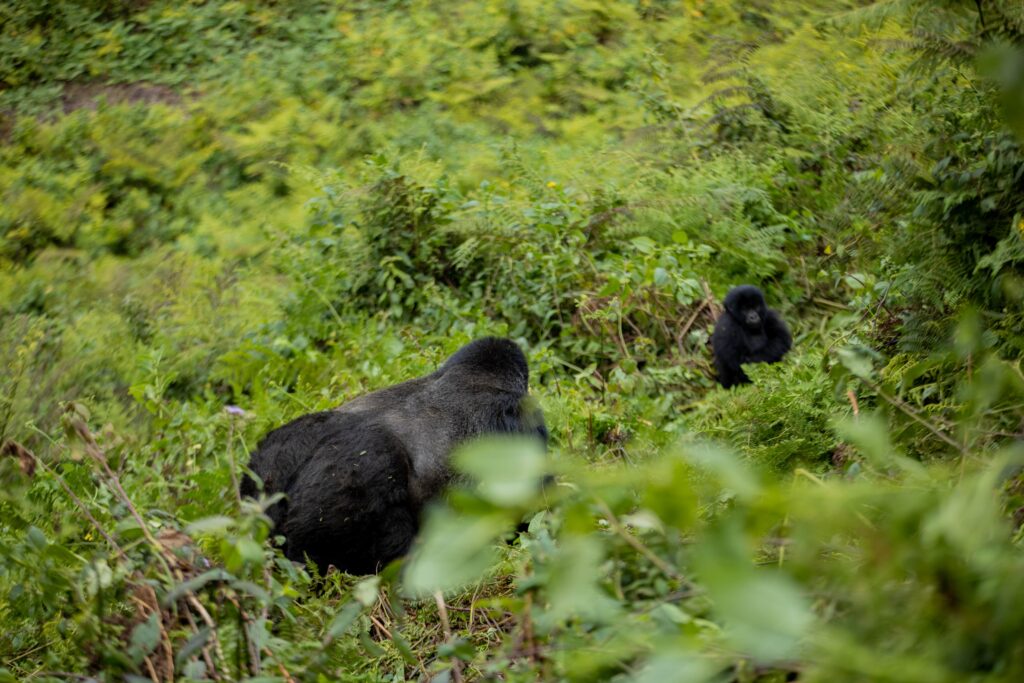
Venturing deep into the misty forests, where the air hums with life, you step into a world few will ever witness—one where mountain gorillas move freely through their untouched sanctuary. This is more than just an adventure; it’s a rare privilege to stand in the presence of one of the world’s most endangered primates, locking eyes with creatures whose existence depends on dedicated conservation. Every trek is a step toward their survival, directly supporting efforts to protect these remarkable beings and their fragile ecosystem. This journey is not just about discovery—it’s about making a difference. Learn more about gorilla habitat and community conservation from Amahoro Tours now!
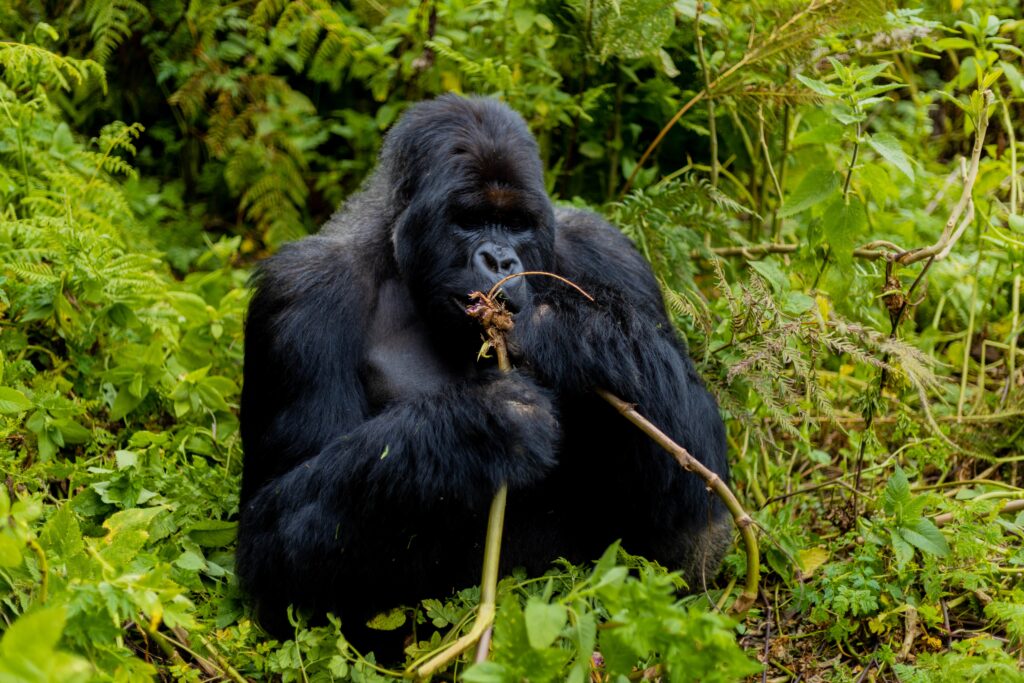
The Importance of Mountain Gorilla Conservation
The Rwanda Mountain gorillas face severe threats like habitat loss, poaching, and disease, making their protection a delicate balance between conservation and sustainable coexistence. However, successful conservation efforts and eco-tourism have led to a steady population increase, with trekking permits directly funding anti-poaching measures and supporting local communities, ensuring these primates’ future survival.
Endangered with a Delicate Balance
Mountain gorillas remain one of the world’s most endangered primates, facing relentless threats that jeopardize their survival. Habitat destruction is among the most pressing dangers, as human expansion encroaches on the dense forests these gorillas call home. Deforestation for agriculture, logging, and infrastructure shrinks their territory, pushing them into fragmented, vulnerable populations. Poaching, though largely targeted at other wildlife, also poses a risk, with gorillas sometimes caught in snares meant for bushmeat hunting. Disease transmission from human interaction further complicates their struggle, making their protection a delicate balance between conservation and sustainable coexistence.
Success Stories in Conservation
Despite these challenges, conservation efforts have sparked remarkable success stories, proving that dedicated action can turn the tide for endangered species. Decades of tireless work from organizations, governments, and local communities have led to an increase in mountain gorilla populations, a rare victory in the fight against extinction. Intensive anti-poaching patrols, habitat restoration, and veterinary interventions have all played a crucial role in their recovery. Rwanda, Uganda, and the Democratic Republic of the Congo have established protected national parks where gorillas are monitored daily, ensuring their safety and well-being. The steady population growth in recent years is a testament to the power of sustained conservation strategies.
Eco-Tourism and Responsible Tourism
Eco-tourism has emerged as one of the most effective tools in funding gorilla conservation, transforming these majestic primates into valuable assets for local economies. Trekking permits generate critical revenue that supports park rangers, veterinary care, and anti-poaching initiatives, creating a direct financial incentive to protect gorillas and their habitat. More importantly, tourism fosters community involvement by providing jobs and sustainable alternatives to activities that threaten wildlife. When visitors invest in these experiences, they’re not just witnessing an extraordinary encounter—they’re actively contributing to the long-term survival of an iconic species.
Trekking with Purpose: How Your Visit Makes a Difference
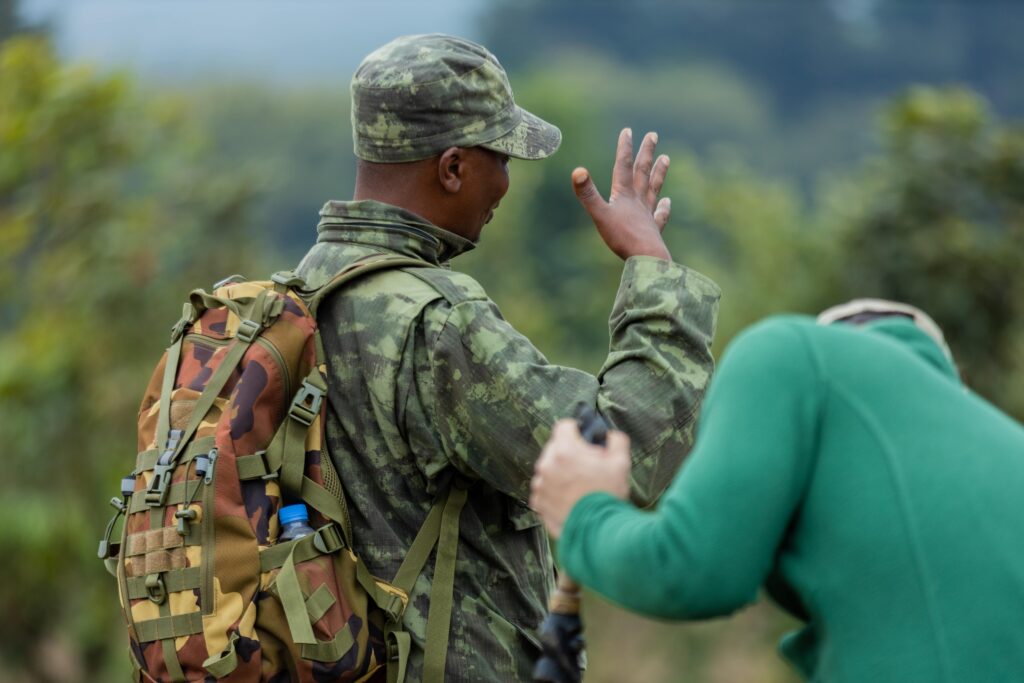
Gorilla trekking in Rwanda is a key driver of both conservation and community development, with permit fees directly funding critical efforts like anti-poaching patrols, habitat restoration, and local education and healthcare initiatives. Rangers, researchers, and conservationists dedicate themselves to safeguarding the gorillas, while organizations such as the Dian Fossey Gorilla Fund collaborate with local communities to ensure long-term sustainability. Responsible trekking practices, guided by expert rangers and supported by local porters, minimize human impact on the gorillas and help promote eco-tourism that benefits the surrounding communities.
Permit Fees: Funding Protection and Community Growth
In Rwanda, the cost of a gorilla trekking permit is more than just an entry ticket—it’s a direct investment in conservation and community development. A significant portion of these fees funds anti-poaching patrols, veterinary care, and habitat preservation, ensuring that mountain gorillas continue to thrive in Volcanoes National Park. Additionally, a share of the revenue is allocated to nearby communities, supporting education, healthcare, and sustainable livelihoods. By creating economic opportunities linked to conservation, these funds help reduce human-wildlife conflicts and encourage locals to take an active role in protecting their natural heritage.
The Guardians of Volcanoes National Park
Every day, dedicated rangers, researchers, and conservationists work tirelessly to safeguard Rwanda’s mountain gorillas. Rangers patrol the park’s rugged terrain to dismantle snares, monitor gorilla health, and deter illegal activity. Researchers track family groups, gathering vital data that informs conservation strategies and medical interventions when needed. Organizations like the Dian Fossey Gorilla Fund collaborate with the government and local communities to ensure that conservation remains a long-term priority. Their combined efforts have played a crucial role in the steady rise of gorilla populations, proving that relentless dedication can reverse the threat of extinction.
Virunga Mountain Rangers
Rangers stationed in Rwanda’s Virguna Mountains are vital to the ongoing protection of mountain gorillas, braving rugged landscapes to ensure these majestic animals remain safe. As part of their daily duties, they scour the park, dismantling snares set by poachers that could harm gorillas or other wildlife. In addition to preventing poaching, rangers track the health and movements of gorilla families, watching for any signs of distress or injury that might require medical attention. Their vigilance also extends to deterring illegal activities, such as deforestation and unauthorized hunting, that threaten the delicate balance of the gorillas’ environment. Through their commitment and expertise, these rangers are indispensable in safeguarding both the gorillas and their habitat.
Researchers
In Volcanoes National Park, researchers play a crucial role in the conservation of mountain gorillas by closely monitoring their family groups. These dedicated experts track the gorillas’ movements and behaviors, gathering essential data that helps shape effective conservation strategies. Their observations allow for early detection of health concerns, prompting necessary medical care when required. This ongoing research provides invaluable insights into the gorillas’ social structures, feeding habits, and overall well-being, ultimately supporting tailored conservation efforts. Through their work, researchers ensure that the management of the gorilla population remains informed and responsive, improving long-term survival prospects for this endangered species.
Conservationists
The Dian Fossey Gorilla Fund, alongside other conservation organizations, plays a key role in shaping the future of mountain gorilla protection in Rwanda. Their collaborative efforts with the government and local communities are integral to fostering a shared commitment to long-term conservation. These partnerships focus not only on the preservation of gorillas but also on empowering local populations through education, sustainable livelihoods, and awareness initiatives. By involving communities in conservation, these organizations help ensure that gorilla protection is deeply rooted in the local culture, providing a sustainable model for safeguarding both the wildlife and the people who live near them for years to come.
Mountain Gorilla Trekking Guides
Mountain gorilla trekking guides are key to the success of both gorilla conservation and the educational experience of visitors. With expert knowledge of the terrain and the gorillas’ behavior, these guides skillfully track and locate gorilla families, ensuring that the animals are observed with minimal disruption. They are attuned to the subtle signs that indicate the gorillas’ emotions and intentions, reading everything from posture to vocalizations, which allows them to guide the group safely while respecting the gorillas’ space. Throughout the 1 day gorilla trek, guides educate visitors on the vital importance of gorilla conservation, offering insights into the species’ unique social dynamics and the ongoing efforts to protect them. Their deep understanding of these primates, combined with their role in promoting responsible tourism, makes them indispensable in preserving Rwanda’s mountain gorillas for future generations.
Rwanda Porters for Gorilla Trekking
Porters in Rwanda who assist with gorilla trekking are essential to both the trek itself and the broader community. These dedicated individuals carry equipment and provide valuable support for trekkers, ensuring a smoother and more enjoyable experience, particularly on challenging routes. They also offer insight into the local environment and the importance of conservation efforts for the mountain gorillas. By hiring a porter, trekkers directly support the livelihoods of local people, many of whom depend on tourism for their income. This collaboration helps promote sustainable eco-tourism practices while fostering a stronger connection between visitors and the communities working tirelessly to protect Rwanda’s wildlife.
Responsible Trekking: Protecting Gorillas Through Sustainable Tourism
A gorilla trek in Rwanda is more than an adventure—it’s a carefully managed experience designed to minimize human impact. Strict regulations ensure that visitors keep a safe distance, limiting the risk of disease transmission and reducing stress on the animals. Group sizes are small, and interactions are limited to one hour, allowing gorillas to maintain their natural behaviors without excessive human interference. Guides educate trekkers on proper etiquette, such as avoiding direct eye contact and speaking in hushed tones, ensuring that every encounter respects the well-being of these magnificent creatures. By following these practices, visitors become partners in conservation, helping to protect Rwanda’s mountain gorillas for generations to come.

Supporting Conservation Beyond the Trek
Choosing an eco-friendly operator like Amahoro Tours ensures a responsible gorilla trekking experience that supports conservation efforts and benefits local communities, preserving Rwanda’s wildlife for future generations.
Choosing Eco-Friendly Tour Operators for a Sustainable Experience
For travelers seeking an ethical and unforgettable encounter with Rwanda’s mountain gorillas, choosing an eco-conscious tour operator is essential. The most responsible companies do more than guide treks—they actively work to protect gorilla habitats, uplift local communities, and minimize environmental impact. By prioritizing locally trained guides, sustainable lodging, and reinvesting tourism revenue into conservation efforts, these operators ensure that gorilla tourism remains a force for good. When visitors choose a company committed to sustainability, they directly contribute to the preservation of Rwanda’s extraordinary wildlife while supporting the people who call this region home.
Amahoro Tours – Responsible Tourism
At the heart of Amahoro Tours is a deep commitment to eco-tourism, driving every aspect of their operations. As a locally owned company, they go beyond traditional travel experiences, ensuring that tourism benefits both conservation and community development. Their initiatives include supporting environmental preservation projects, creating meaningful cultural exchanges, and promoting responsible travel practices that safeguard Rwanda’s delicate ecosystems. Every journey with Amahoro Tours is designed to leave a positive impact, allowing travelers to witness the majesty of mountain gorillas while actively participating in efforts to protect them for future generations.
Supporting Gorilla Conservation Beyond the Trek
Gorilla conservation extends far beyond trekking, and travelers can make a lasting impact by supporting organizations dedicated to protecting these endangered primates. Donations to conservation groups help fund anti-poaching patrols, veterinary care, and habitat restoration projects. Advocacy is another powerful tool—spreading awareness about gorilla conservation through social media, fundraising campaigns, or partnerships with wildlife organizations can drive global support. Even after leaving Rwanda, travelers can continue making a difference by championing policies that promote wildlife protection and sustainable development.
How Gorilla Tourism Strengthens Local Communities
The benefits of gorilla tourism reach far beyond conservation, providing essential resources for local communities surrounding Volcanoes National Park. Revenue generated from trekking permits helps fund schools, vocational training, and healthcare facilities, improving the quality of life for those who share the land with these incredible primates. Community-run projects, such as cooperatives for artisans and farmers, offer sustainable income opportunities while reducing reliance on activities that could harm the environment. By participating in gorilla tourism, visitors play a role in uplifting local populations, ensuring that conservation and community development go hand in hand.
Eco-Tourism and Responsible Tourism Through Trekking
Gorilla trekking offers more than just an exciting wildlife experience—it plays a key role in conserving mountain gorillas and their environment. Your trek directly aids in protecting these endangered primates, funding important conservation work that ensures their future and supports sustainable tourism practices.
Gorilla Trekking: More Than Just an Adventure
Gorilla trekking is an unforgettable adventure, but it goes far beyond the thrill of seeing these magnificent creatures in their natural habitat. Each trek plays a vital role in supporting the conservation of mountain gorillas, providing critical funding for anti-poaching efforts, habitat restoration, and sustainable wildlife management. By choosing to trek, you’re actively participating in the protection of an endangered species and helping to preserve their environment for future generations. This experience connects you to the heart of Mountain gorilla conservation in a way that leaves a lasting, positive impact on the gorillas and the communities working to protect them.
Experience a Journey That Contributes to Gorilla Conservation
The best gorilla trek offers more than a rare wildlife encounter—it’s an opportunity to contribute to a cause that’s greater than yourself. As you trek through Rwanda’s dense forests, you’re helping ensure the survival of mountain gorillas by supporting local conservation initiatives. The revenue generated through trekking directly supports anti-poaching efforts, habitat restoration, and community-driven conservation programs. This extraordinary journey allows you to witness the beauty of these animals while playing an essential part in preserving their future and fostering sustainable tourism.
Choose a Responsible Tour Operator, Amahoro Tours, for a Meaningful Trek
Choosing Amahoro Tours for your gorilla trekking adventure means not just experiencing the awe of seeing mountain gorillas in their natural habitat, but also making a real contribution to their conservation. With Amahoro Tours, you’ll be partnering with a company that is deeply committed to sustainable tourism, community development, and the protection of Rwanda’s wildlife. Their expertise, local knowledge, and dedication to eco-tourism ensure that every trek is safe, memorable, and impactful. By booking with Amahoro Tours, you’re supporting critical Mountain gorilla conservation efforts while enjoying an unforgettable journey. Don’t miss the chance to be part of something bigger—book your tour today and help protect Rwanda’s mountain gorillas for future generations.
See What Our Guests Are Saying
 This is THE best tour company in Rwanda! - My husband and I had the absolute best experience with Amahoro Tours and highly recommend you book your Rwanda trip with them. Amos was extremely helpful and we fell in... read more

 travel_more202
January 10, 2026
Short personalized tour in Rwanda - My wife and I had an excellent experience with Amahoro Tours for our short personalized tour in Rwanda. We were in Kigali for work and had a short time to... read more
 Randy S
June 4, 2025
Outstanding Rwanda experience — gorilla & chimp trekking done right - We’ve just returned from Rwanda and had a genuinely excellent experience with Amahoro Tours. They really took care of everything — logistics, permits, accommodations, transport, and daily planning — which... read more
 matthilein
March 31, 2026