
The Best Gorilla Trekking In Uganda Tour – Dive Deep Into Gorillas In Uganda
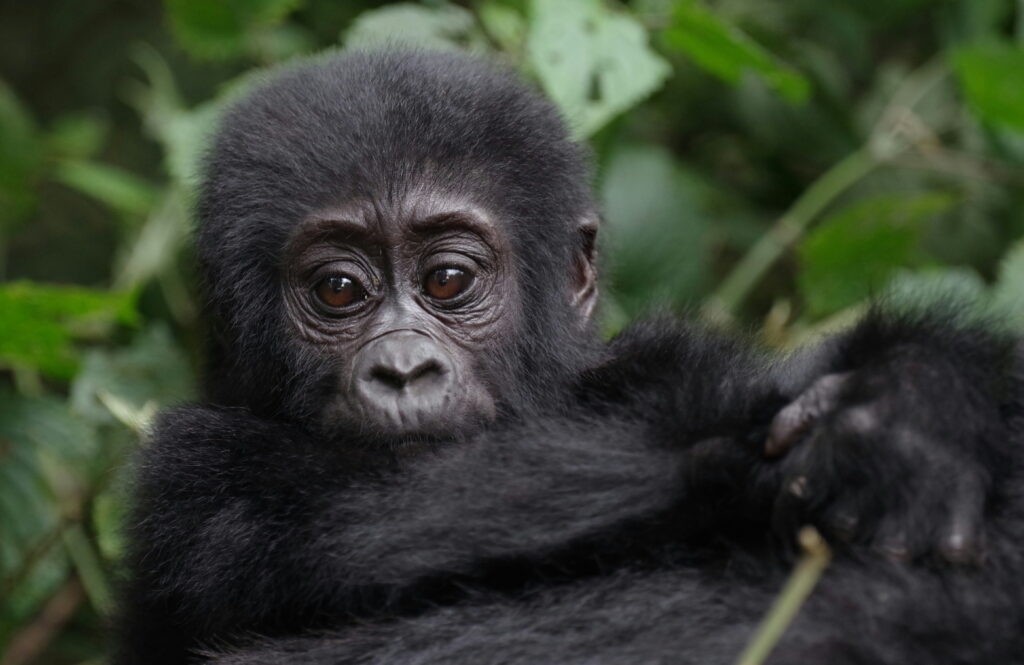
If you’re planning a gorilla trekking adventure, Uganda stands out as one of the most rewarding destinations in Africa, offering rare opportunities to observe Uganda gorillas in their natural forest habitat. Amahoro Tours offers the best Uganda gorilla tours and specializes in creating once-in-a-lifetime itineries in Uganda. Home to nearly half of the world’s remaining population, Uganda’s National Parks deliver an experience defined by remarkable wildlife encounters, dramatic rainforest landscapes, and strong conservation success that sets it apart from other East African gorilla trekking destinations. Amahoro tours takes you through the best gorilla trekking tours in Uganda and why this country may be the best decision of your life!
Why Choose Gorilla Trekking in Uganda?
Uganda provides significantly lower permit costs than Rwanda and the flexibility to combine gorilla trekking with diverse safaris, while supporting successful conservation efforts that protect gorillas and benefit local communities. Learn more about the wonders of gorilla tracking in Rwanda now.
Largest Population of Mountain Gorillas
Uganda is home to the largest population of mountain gorillas on Earth, making it the premier destination for the gorilla trekking in Africa. Of the estimated 1,060 to 1,100 mountain gorillas remaining worldwide, roughly half live within Uganda’s Bwindi Impenetrable National Park and Mgahinga Gorilla National Park. Bwindi alone supports dozens of habituated gorilla families available for tourism, research, and conservation, making the best gorilla trekking in Uganda a reality. This large population not only improves permit availability but also allows visitors to choose between multiple trekking regions, landscapes, and gorilla families.
Affordable Gorilla Permits Compared to Rwanda
The cost difference between Uganda and Rwanda is one of the primary reasons many travelers choose Uganda for gorilla trekking. A standard Uganda gorilla trekking permit is currently $800 per person for foreign non-residents, while a comparable Rwanda gorilla permit costs $1,500 per person. For couples, that difference can amount to $1,400 in savings, and for families or small groups, the savings become even more substantial. Because visitors encounter the same mountain gorilla species regardless of which country they choose, many travelers find Uganda delivers exceptional value while freeing up budget for additional experiences such as chimpanzee trekking, wildlife safaris, luxury accommodations, or extended time exploring the country’s national parks.
- Uganda gorilla trekking permit is currently $800
- Rwanda gorilla permit costs $1,500 per person
Combining Gorilla Trekking with Other Uganda Safaris
One of Uganda’s greatest strengths is the ability to combine gorilla trekking with a wide variety of other wildlife experiences. Within a single itinerary, travelers can trek mountain gorillas in Bwindi, track chimpanzees in Kibale Forest, search for tree-climbing lions in Queen Elizabeth National Park, visit Murchison Falls, cruise the Nile River, or explore Lake Bunyonyi. Uganda is home to more than 1,000 bird species, over 20 primate species, and some of East Africa’s most diverse ecosystems, making it possible to experience far more than gorillas during a single trip.
Conservation Success and Community Impact
Uganda’s mountain gorillas are one of the world’s most inspiring wildlife conservation success stories. Despite facing habitat loss, disease risks, and poaching threats in the past, the mountain gorilla population has steadily grown through decades of conservation efforts, helping the species become the only great ape whose numbers are increasing. Gorilla tourism plays a major role in this success by funding ranger patrols, veterinary care, habitat protection, and community development projects. Revenue generated from gorilla permits also supports local villages surrounding Bwindi or Mgahinga, creating jobs and providing economic incentives that encourage long-term protection of Uganda’s mountain gorillas and their forest habitats.
Understanding Uganda’s Mountain Gorillas
Uganda gorillas are among the most fascinating wildlife species found in Uganda’s protected forests. Living exclusively in the high-altitude rainforests of the Albertine Rift, these great apes have adapted to cool temperatures, steep terrain, and dense vegetation. Unlike many other primates, mountain gorillas spend the majority of their lives on the ground, moving through the forest in search of food and suitable nesting areas. Their intelligence, emotional depth, and close social relationships make every gorilla encounter a remarkable opportunity to observe behavior that often mirrors our own.
Uganda Gorilla Family Structure and Social Behavior
Every Uganda gorilla group functions as a closely connected social unit where cooperation and hierarchy help maintain stability. Family groups often remain together for many years, with members relying on one another for protection, companionship, and survival. Relationships are strengthened through grooming, play, and frequent social interaction. Group members recognize individual personalities, establish social bonds, and communicate constantly as they move through their forest habitat, creating a level of social complexity rarely seen in the animal kingdom.
Silverbacks, Females, and Young Gorillas
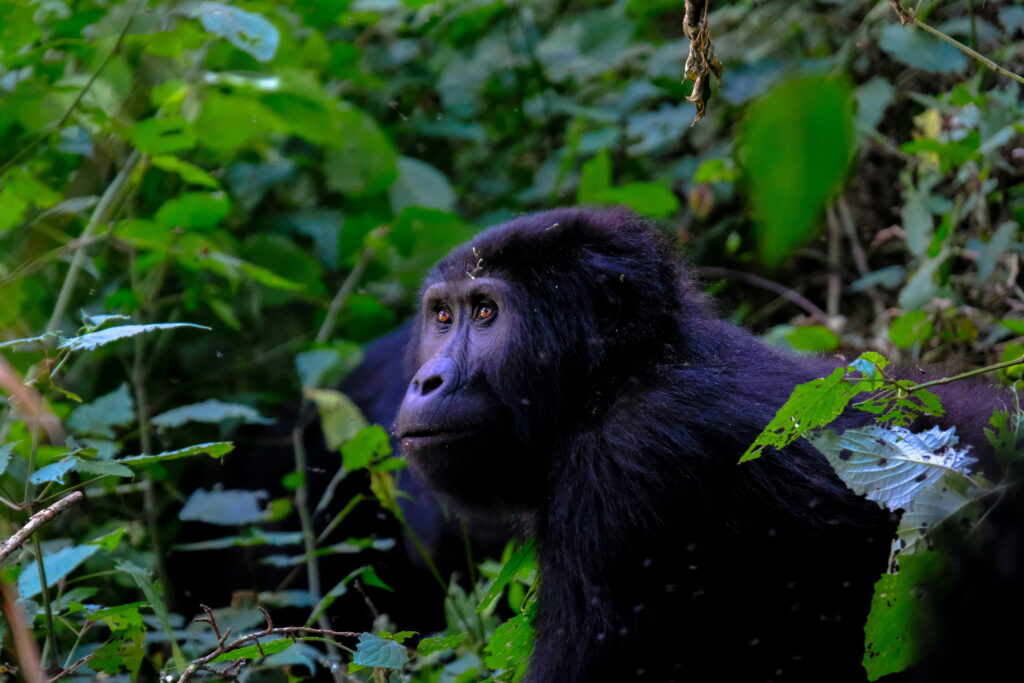
Each member of a gorilla family in Uganda plays a distinct role within the group. The dominant Ugandan silverback serves as leader and decision-maker, determining travel routes, feeding locations, and resting sites. Adult females nurture infants and contribute to the cohesion of the family unit, while younger gorillas spend much of their time learning important skills through exploration and play. During a trekking experience, visitors often witness young gorillas tumbling through vegetation, curious juveniles observing their surroundings, and powerful silverbacks calmly overseeing the activities of the entire family.
Daily Life, Diet, and Communication
A typical day for mountain gorillas revolves around feeding, resting, and social interaction. They consume a diverse variety of vegetation, including leaves, bamboo shoots, vines, wild celery, and seasonal fruits when available. Throughout the day, gorillas exchange information using an impressive range of vocal sounds, gestures, facial expressions, and body postures. Quiet grunts help maintain group contact, while more dramatic displays can communicate warnings or establish authority. As evening approaches, each gorilla constructs a fresh nest from surrounding vegetation where it will spend the night before beginning the cycle again the following morning.
What Do Ugandan Mountain Gorillas Eat?
Mountain gorillas are primarily herbivores and consume more than 100 different plant species throughout Uganda’s forests. Common foods in their diet include:
- Leaves from numerous forest plants
- Bamboo shoots
- Wild celery
- Tree bark
- Plant stems
- Herbaceous vegetation
- Forest vines
- Thistles
- Nettles
- Shrubs
- Tree roots
- Pith from stems and plants
- Ferns
- Flowers
- Tree shoots
- Young branches
- Seasonal wild fruits
- Berries
- Fig fruits
- Forest fruits when available
Although fruit makes up only a small portion of the mountain gorilla diet compared to lowland gorilla species, gorillas will readily consume wild fruits and berries whenever they are seasonally abundant. They may also occasionally eat ants, termites, and other small insects, but vegetation remains the primary component of their diet year-round. This diverse feeding strategy helps support the large body size and energy requirements of Uganda’s mountain gorilla families.
Mountain Gorillas vs Eastern Lowland Gorillas in Uganda
Although travelers often associate Uganda with mountain gorillas, another gorilla subspecies exists within the broader region of Central Africa. Mountain gorillas are adapted to cooler elevations and rugged volcanic landscapes, developing dense fur that provides insulation in their highland environment. Eastern lowland gorillas, found farther west in the Congo Basin, inhabit lower-altitude forests and generally possess a larger frame with shorter, less dense hair. While both share a common ancestry and many behavioral characteristics, Uganda’s mountain gorillas are uniquely adapted to life in mist-covered mountain forests, creating the setting for one of Africa’s most sought-after wildlife experiences. Learn more about mountain gorillas vs eastern lowland gorillas now.
Where to Go For A Uganda Gorilla Trek
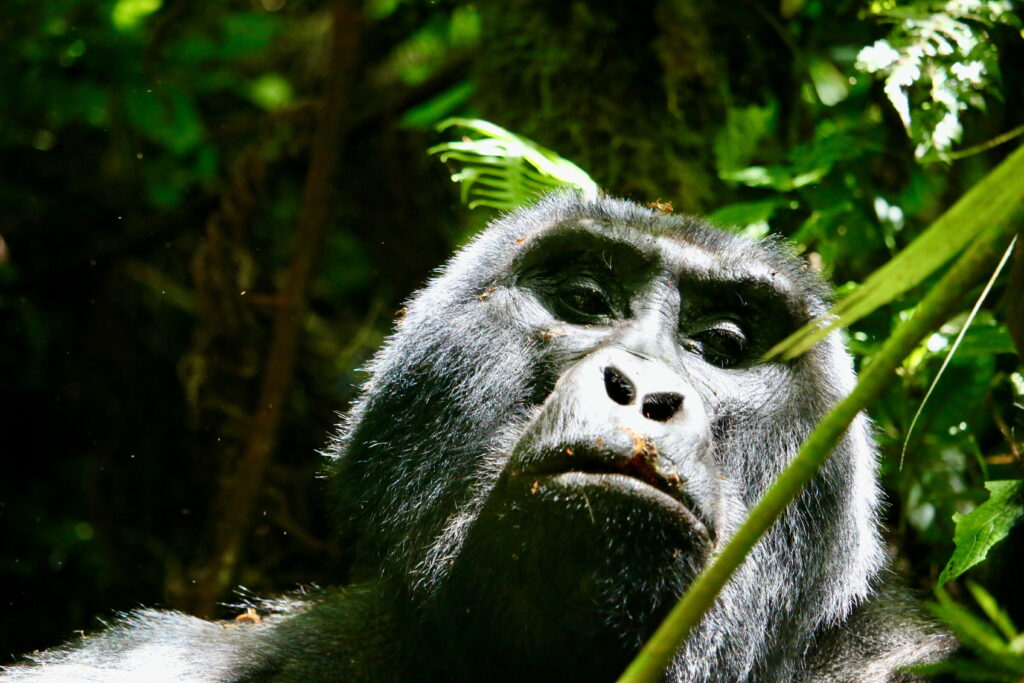
There are two locations for Uganda gorilla trekking, but the overwhelming majority of visitors choose Bwindi Impenetrable National Park because it contains the largest concentration of habituated gorilla families in the world. Situated in southwestern Uganda along the edge of the Albertine Rift, Bwindi’s ancient rainforest provides a dramatic backdrop for one of Africa’s most sought-after wildlife experiences. The park’s extensive network of trekking sectors allows travelers to select from different landscapes, lodging options, and gorilla families while enjoying the same opportunity to encounter endangered mountain gorillas in their natural environment.
Bwindi Impenetrable National Park
Recognized as a UNESCO World Heritage Site, the Ugandan National Park for gorilla trekking protects one of Africa’s oldest and most biologically diverse forests. The park covers rugged hills, deep valleys, and dense rainforest habitat that supports hundreds of bird species, numerous mammals, and roughly half of the world’s remaining mountain gorilla population. Its remarkable biodiversity and successful conservation programs have made Bwindi a cornerstone of Uganda’s tourism industry and one of the continent’s most important wildlife destinations.
Why Bwindi Is the Premie Uganda Gorilla Trek Destination
Bwindi consistently attracts gorilla trekkers from around the globe because it combines exceptional gorilla viewing opportunities with a wide selection of accommodations and trekking routes. The park offers access to dozens of habituated gorilla families, providing more permit availability than any other mountain gorilla destination. Visitors can choose between luxury lodges, mid-range camps, and budget-friendly accommodations while enjoying a high success rate for gorilla sightings throughout the year.
The Four Gorilla Trekking Regions
To manage tourism and protect gorilla families, Bwindi is divided into four distinct trekking sectors. Each region has its own habituated gorilla groups, trail systems, lodging choices, and terrain characteristics. While every sector offers the chance to spend time with mountain gorillas, travelers often select a region based on hiking difficulty, accommodation preferences, permit availability, or the additional attractions located nearby.
Buhoma
Located in the northern section of Bwindi, Buhoma is the park’s original trekking sector and remains one of the most popular entry points for gorilla visitors.
Ruhija
Positioned on the park’s eastern side, Ruhija is known for its elevated terrain, beautiful forest scenery, and excellent opportunities for birdwatching.
Rushaga
Found in southern Bwindi, Rushaga contains the highest number of habituated gorilla families, often providing the greatest availability of trekking permits.
Nkuringo
Nkuringo occupies the southwestern corner of the park and is famous for its steep landscapes, panoramic views, and rewarding trekking experiences.
Mgahinga Gorilla National Park
Mgahinga Gorilla National Park offers a distinctly different gorilla trekking experience from Bwindi, combining dramatic volcanic scenery with rich wildlife and cultural heritage. Covering just 33.7 square kilometers, the park forms Uganda’s portion of the greater Virunga Conservation Area, which extends into Rwanda and the Democratic Republic of Congo. Visitors are rewarded with spectacular views of volcanic peaks, bamboo forests, and montane habitats while exploring one of East Africa’s most scenic protected areas.
Uganda’s Smallest Gorilla Park – Mgahinga National Park
Although it is Uganda’s smallest national park, Mgahinga plays an important role in protecting endangered mountain gorillas and other rare wildlife species. Its compact size allows visitors to experience diverse ecosystems within a relatively small area, ranging from bamboo forests and montane woodlands to high-altitude volcanic slopes. The park’s manageable scale creates an intimate safari atmosphere where travelers can easily combine multiple activities during a short visit.
The Nyakagezi Gorilla Family
The Nyakagezi Gorilla Family is the only habituated gorilla group available for tourism in Mgahinga and is known for its stability and strong social structure. Unlike some gorilla families that historically moved across international borders, Nyakagezi has remained reliably within Uganda for many years, making trekking opportunities more consistent. The group has gained a reputation for its multiple silverbacks living together peacefully, providing visitors with unique opportunities to observe complex interactions within a gorilla family.
Gorilla Trekking in the Virunga Mountains
Trekking mountain gorillas in Mgahinga places visitors within the legendary Virunga Mountains, a chain of volcanoes that stretches across three countries. The experience often involves hiking through bamboo forests, open slopes, and volcanic terrain while surrounded by some of the most dramatic landscapes in Africa. The combination of towering peaks, cool mountain air, and the possibility of encountering gorillas in this rugged environment creates a trekking adventure unlike any other in Uganda.
Golden Monkey Tracking and Volcano Hiking
Beyond gorilla trekking, Mgahinga is one of the few places in the world where travelers can track endangered golden monkeys in their natural habitat. These energetic primates move quickly through the bamboo forests, offering a completely different wildlife experience from gorilla trekking. The park is also a popular destination for hikers seeking to summit the Virunga volcanoes, including Mount Sabinyo, Mount Gahinga, and Mount Muhabura, each offering challenging climbs and breathtaking views across the region.
Batwa Cultural Experiences
Mgahinga provides visitors with an opportunity to learn about the Batwa people, the original forest inhabitants who lived in the region long before it became a protected national park. Cultural experiences introduce travelers to traditional hunting techniques, medicinal plant knowledge, music, dance, and stories that have been passed down through generations. These community-led activities help preserve Batwa heritage while providing valuable income and cultural awareness that support local communities living alongside the park.
Gorilla Trekking Permits in Uganda
Uganda’s gorilla trekking permit is a mandatory conservation permit that grants visitors access to track endangered mountain gorillas in either Bwindi Impenetrable National Park or Mgahinga Gorilla National Park. The permit system is carefully managed by the Uganda Wildlife Authority to protect gorilla families from excessive human contact while providing travelers with one of Africa’s most remarkable wildlife experiences. Each permit is tied to a specific gorilla family and trekking date, helping ensure sustainable tourism and long-term conservation of Uganda’s mountain gorilla population.
Permit Costs and What They Include
The cost of a Uganda gorilla trekking permit covers much more than the one-hour gorilla encounter. Permit fees contribute directly to gorilla conservation, park management, ranger salaries, anti-poaching efforts, veterinary monitoring, and community development projects surrounding the parks. The permit also includes park entry for the trekking activity, professional ranger guides, pre-trek briefings, and the opportunity to spend up to one hour observing a habituated gorilla family in its natural forest habitat.
Current Uganda Gorilla Permit Costs:
- Foreign Non-Residents: $800 USD per person
- Foreign Residents: $700 USD per person
- East African Citizens: UGX 300,000 per person
- Gorilla Habituation Experience Permit: $1,500 USD per person (includes up to four hours with a semi-habituated gorilla family)
How Permit Allocation Works
Uganda Wildlife Authority allocates permits based on the number of habituated gorilla families available for tourism and the strict limit of visitors allowed to visit each family per day. Every gorilla group can only be visited by a small number of trekkers, creating a highly regulated system designed to minimize disturbance to the animals. When booking, travelers are assigned to a specific gorilla family and trekking sector within Bwindi or Mgahinga, with final group assignments often adjusted by park authorities based on fitness levels, age considerations, and daily gorilla movements.
When to Book Your Permit
Securing a gorilla permit well in advance is strongly recommended, especially for travel during Uganda’s peak tourism seasons, which typically occur from June through September and December through February. Permit availability can become extremely limited during these months because the number of daily trekking slots is fixed. Travelers planning an Uganda gorilla safari should ideally reserve permits several months before arrival to secure their preferred dates, trekking region, and accommodation options near the parks.
What Happens During an Uganda Gorilla Trekking?
A gorilla trek in Uganda begins early in the morning and combines wildlife tracking, guided hiking, and an unforgettable encounter with one of the world’s most endangered primates. After arriving at the park headquarters, visitors receive a safety briefing, meet their ranger guides, and are assigned to a specific gorilla family before entering the forest. Uganda Gorilla Trekking times vary depending on the location of the gorillas, making every experience unique as trackers follow fresh signs through the forests in Uganda.
Trek Briefing and Group Assignment
The day starts with a mandatory pre-trek briefing conducted by Uganda Wildlife Authority rangers. During the briefing, visitors learn gorilla trekking regulations, safety procedures, and appropriate behavior around the gorillas. Trekkers are then divided into small groups and assigned to a specific habituated gorilla family. Assignments are often made based on factors such as fitness levels, age, and the estimated location of each gorilla group to help create the most comfortable trekking experience possible.
Bwindi Impenetrable National Park Briefing Locations
- Buhoma Sector Visitor Centre
- Ruhija Sector Visitor Centre
- Rushaga Sector Visitor Centre
- Nkuringo Sector Visitor Centre
Mgahinga Gorilla National Park Briefing Location
- Ntebeko Visitor Centre
All Uganda gorilla trekkers must report to their designated visitor centre early in the morning, as gorilla family assignments and ranger allocations are completed before groups depart into the forest. The briefing location depends on the trekking sector listed on the gorilla permit and the specific gorilla family assigned for that day.
Entering the Forest
Following the briefing, ranger guides lead trekking groups into the forest through designated trails and access points. The journey quickly transitions from open park areas into dense rainforest characterized by steep slopes, thick vegetation, tangled roots, and muddy sections. Along the way, guides interpret the forest ecosystem, point out wildlife sightings, and explain the conservation efforts that have helped Uganda become home to more than half of the world’s remaining mountain gorillas.
Tracking the Gorilla Family
Once inside the forest, the trek becomes an active search for the assigned gorilla family. Each trekking group is designated to visit a specific habituated gorilla family before leaving the park headquarters, ensuring visitor numbers remain strictly controlled and conservation guidelines are maintained. Rangers communicate with advance trackers who begin locating the gorillas before visitors enter the park. Fresh footprints, feeding remains, broken vegetation, and vocalizations help trackers determine the gorillas’ movements throughout the day. Trekking duration can range from less than an hour to several hours depending on where the family has traveled, adding an element of adventure and anticipation to the experience. While the exact location of the gorillas changes daily, trekkers know which family they are tracking from the start of the excursion, creating a personal connection to the experience as they follow the signs leading to their assigned group.
Understanding Uganda’s Gorilla Trekking Team
Uganda’s gorilla trekking experience relies on a highly skilled team of conservation professionals who work together to locate gorilla families, protect the animals, and ensure visitors have a safe and educational experience in Bwindi Impenetrable National Park and Mgahinga Gorilla National Park.
- Ranger – Uganda Wildlife Authority (UWA) rangers are responsible for visitor safety, gorilla protection, and enforcing national park regulations throughout the trek. These trained conservation officers accompany trekking groups into the forest, monitor interactions with the gorillas, and help safeguard Uganda’s mountain gorilla population from potential threats. Rangers are also trained to respond to wildlife encounters and changing forest conditions.
- Guide – Gorilla trekking guides lead visitors through Uganda’s rainforest trails while sharing valuable information about mountain gorillas, conservation initiatives, local communities, and the unique ecosystems found within the parks. Their extensive knowledge helps visitors gain a deeper appreciation for Uganda’s role as home to more than half of the world’s remaining mountain gorillas.
- Tracker – Trackers are among the most experienced forest experts in Uganda’s gorilla parks. Long before trekking groups enter the forest, trackers set out to locate the assigned gorilla families by following fresh signs such as nests, feeding remains, footprints, vocalizations, and broken vegetation. Throughout the day, they remain in radio contact with ranger-guides, providing real-time updates that help direct visitors to the gorillas’ location while minimizing disturbance to the animals and their habitat.
The One-Hour Gorilla Encounter – 60 Minutes of Awe
After the gorilla family is located, visitors gather for final instructions before approaching the animals. Trekkers then spend up to one hour observing the gorillas from a safe distance while watching them feed, groom, rest, and interact with one another. Silverbacks often command attention with their size and presence, while younger gorillas frequently display playful behavior. This carefully regulated viewing period provides extraordinary opportunities for photography and wildlife observation while minimizing disturbance to the gorillas.
Trekking Difficulty and What to Expect
Gorilla trekking is considered a moderate to challenging activity due to the mountainous terrain and unpredictable forest conditions. Trails may involve steep ascents, muddy paths, dense vegetation, and uneven ground, particularly during the rainy seasons. While no technical climbing is required, participants should be prepared for several hours of walking and occasional off-trail navigation. Hiring a porter is highly recommended, as they assist with carrying bags, provide support on difficult sections, and contribute directly to local community livelihoods.
Typical Gorilla Trekking Day Itinerary
- 7:00 AM – Arrive at park headquarters and complete registration
- 7:30 AM – Gorilla trekking briefing and group assignments
- 8:00 AM – Depart with ranger guides and enter the forest
- 8:30 AM – 12:00 PM – Track the assigned gorilla family (timing varies)
- Upon locating the gorillas – One-hour guided gorilla encounter
- 12:00 PM – 3:00 PM – Return trek to the park headquarters
- 3:00 PM – 4:00 PM – Receive trekking certificate and depart for lodge
Best Time for Gorilla Treks in Uganda
 Uganda offers mountain gorilla trekking throughout the year, making it possible to visit in any season. While weather conditions vary, habituated gorilla families remain within the parks year-round, ensuring excellent trekking opportunities regardless of when you travel.
Dry Seasons
The dry seasons, typically from June to September and December to February, are the most popular times for gorilla trekking in Uganda. Trails are generally less muddy and easier to hike, providing more comfortable trekking conditions and improved photography opportunities.
Green Seasons
Uganda’s green seasons occur from March to May and October to November. Increased rainfall creates lush forest scenery, fewer crowds, and a quieter trekking experience, making these months appealing for travelers seeking a more peaceful visit.
Gorilla Sightings Throughout the Year
Gorilla sightings remain highly consistent throughout the year in Uganda. Rangers and trackers monitor habituated gorilla families daily, allowing visitors to enjoy an excellent chance of locating and observing the gorillas regardless of the season.
Pros and Cons of Each Season
Dry seasons offer easier hiking and more predictable weather but often bring higher visitor numbers. Green seasons provide beautiful landscapes and fewer crowds, though trekkers should expect wetter and muddier trail conditions. Both seasons deliver outstanding gorilla trekking experiences in Uganda.
Gorilla Trekking Regulations
Uganda enforces strict conservation rules that govern all trekking activities inside parks, where visitors are allocated to specific habituated families and must follow ranger instructions at all times; only one hour is allowed with the gorillas, and group sizes are carefully controlled to reduce stress on the animals and protect their natural behavior.
Age and Health Requirements
Only trekkers aged 15 and above are permitted to join gorilla trekking in Uganda, and all participants must be in reasonable physical condition due to the demanding forest terrain, with restrictions often applied to individuals showing symptoms of contagious illness to safeguard the health of endangered gorilla populations.
Photography Guidelines
Photography is allowed during gorilla encounters, but flash is strictly prohibited because it can disturb and agitate the animals, and visitors are encouraged to keep cameras ready in advance since gorilla interactions can be brief and unpredictable within the dense forest.
What to Pack
Essential trekking gear includes waterproof hiking boots, lightweight rain jackets, long-sleeved clothing for protection against vegetation and insects, drinking water, snacks, gloves for gripping vegetation, and a small backpack to carry essentials comfortably through Uganda’s humid rainforest conditions.
Hiring a Porter
Hiring a local porter is highly recommended in Uganda’s trekking regions, as they assist with carrying bags, supporting hikers on steep or slippery sections, and directly contribute to local community livelihoods while improving the overall trekking experience.
Book the Best Gorilla Trekking In Uganda Tours with Amahoro Tours
Planning a gorilla trekking safaris in Uganda is easier and more rewarding with the support of an experienced local operator. Amahoro Tours handles every detail, from securing permits and arranging accommodations to coordinating transportation and personalized itineraries tailored to your interests. Whether you want to focus on mountain gorillas or combine your adventure with chimpanzee tracking, traditional safaris, and cultural experiences, our team can create a seamless journey that showcases the very best of Uganda while delivering memories that will last a lifetime.
4 Day (3 Nights) Uganda Gorilla Trekking Tours
4 Day Uganda Gorilla Trek (Bwindi Rainforest)
This 4 Day Uganda Gorilla Trekking Tour combines convenient domestic flights, cultural discovery, and one of Africa’s most extraordinary wildlife experiences. Travelers fly from Entebbe to southwestern Uganda, visit the Batwa community to learn about their unique heritage, and venture into Bwindi’s rainforest in search of endangered mountain gorillas. The highlight of the journey is spending time with a habituated gorilla family in its natural habitat, creating a once-in-a-lifetime wildlife encounter while enjoying comfortable accommodations and expert local guidance throughout the tour.
3 Nights/4 Days Gorilla Tracking.+ Kigali City Tour
This 4 Day Bwindi Gorilla Tracking and Kigali City Tour combines Rwanda’s vibrant capital with Uganda’s most famous wildlife experience in a single adventure. Travelers discover Kigali’s cultural highlights before crossing into southwestern Uganda to explore Bwindi Impenetrable National Park, home to nearly half of the world’s remaining Ugandan gorillas. The journey features an unforgettable gorilla trekking experience alongside a meaningful visit with the Batwa community, offering a unique blend of wildlife, culture, and scenic landscapes that makes the most of a short East African getaway.
4 Day Uganda Bwindi Gorillas and Golden Monkey Tour
This 4 Day Uganda Bwindi Gorilla Trekking and Golden Monkey Tour offers a rare opportunity to experience two of the region’s most sought-after primate encounters in a single journey. Beginning in Rwanda and continuing into Uganda’s forested highlands, travelers track beautiful golden monkeys in the Virunga region before heading to Bwindi for an unforgettable mountain gorilla trekking experience. The itinerary also includes cultural interactions with local communities, providing deeper insight into the traditions and lifestyles that shape life around these protected landscapes. Combining wildlife, culture, and spectacular scenery, this tour delivers an exceptional introduction to the natural wonders of both Uganda and Rwanda.
5 Day (4 Night) Uganda Gorillas + Golden Monkeys
This 5 Day Uganda Gorilla Trekking and Golden Monkey Safari showcases two of Uganda’s most remarkable primate experiences within the scenic landscapes of Mgahinga Gorilla National Park. Beginning with a journey from Kigali into Uganda’s Virunga region, travelers spend time tracking mountain gorillas through volcanic forests, searching for endangered golden monkeys, and learning about the traditions of the Batwa people who have deep historical ties to the area. Combined with a Kigali city tour, comfortable accommodations, and stunning mountain scenery, this itinerary offers an exceptional blend of wildlife, culture, and adventure for travelers seeking a deeper connection to East Africa’s natural heritage.
6 Day Uganda Gorilla Tracking and Safari
This 6 Day Gorilla Tracking and Safari showcases two of Uganda’s most iconic destinations in a single adventure. Travelers journey from Kigali into Uganda’s southwestern wilderness to experience mountain gorilla trekking in Bwindi before exploring the wildlife-rich plains of Queen Elizabeth National Park. The itinerary also includes a visit with the Batwa community, traditional game drives, and a boat excursion on the Kazinga Channel, creating a rewarding blend of wildlife encounters, cultural discovery, and spectacular scenery throughout the journey.
9 Day Gorilla Trekking, Chimpanzee and Safari Tour in Uganda
This 9 Day Uganda Primate and Wildlife Safari delivers an in-depth exploration of the country’s most celebrated natural attractions, combining mountain gorilla trekking, chimpanzee tracking, and classic safari experiences into one remarkable itinerary. From the mist-covered forests of Bwindi and the primate-rich landscapes of Kibale to the open savannahs of Queen Elizabeth National Park, travelers encounter an extraordinary variety of wildlife and ecosystems. The journey is further enriched by cultural interactions with the Batwa community, a scenic cruise on the Kazinga Channel, and a visit to Entebbe’s botanical gardens, creating a well-rounded adventure that highlights Uganda’s exceptional biodiversity, landscapes, and cultural heritage.
10 Day Uganda Gorilla Trekking Itinerary
This 10 Day Uganda Wildlife and Primate Safari is designed for travelers seeking a comprehensive journey through the country’s most diverse ecosystems, combining rainforest adventures, classic game viewing, river excursions, and cultural encounters. The itinerary spans four of Uganda’s premier national parks, taking visitors from the mountain gorilla habitats of Bwindi to the chimpanzee-filled forests of Kibale, the wildlife-rich plains of Queen Elizabeth, and the dramatic landscapes surrounding Murchison Falls. Along the way, guests experience unforgettable encounters with gorillas, chimpanzees, rhinos, elephants, giraffes, lions, and countless bird species while exploring wetlands, cruising along the Nile and Kazinga Channel, and connecting with local communities. This carefully crafted safari offers an exceptional overview of Uganda’s natural wonders, showcasing the remarkable variety of landscapes and wildlife that make the country one of Africa’s most rewarding safari destinations.
Book the Best Uganda Gorilla Tracing Safari Today
Few wildlife experiences on Earth can match the emotion of standing face-to-face with a mountain gorilla in the forests of Uganda. From the mist-covered slopes of Bwindi to the dramatic landscapes of Mgahinga, every trek offers beautiful moments, incredible scenery, and a deeper appreciation for the people and conservation efforts that protect these endangered gorillas. Whether gorilla trekking is the centerpiece of your journey or part of a larger Uganda safari, Amahoro Tours will help create an experience filled with lasting memories, meaningful encounters, and the adventure of a lifetime. Contact Amahoro Tours today and begin planning your Uganda gorilla trekking safari. Book your tour today!
See What Our Guests Are Saying
 This is THE best tour company in Rwanda! - My husband and I had the absolute best experience with Amahoro Tours and highly recommend you book your Rwanda trip with them. Amos was extremely helpful and we fell in love with Rwanda in large part because we had such a great guide named Edmond who was very professional, prompt, and had a wealth of knowledge. He’s likely the best driver in the whole country so you should request him specifically! After visiting and working with other tour companies in Rwanda, Tanzania, and Zanzibar, we can confidently say Amahoro Tours was the best and we look forward to using them again in the future.

 travel_more202
January 10, 2026
Rwanda is Amazing - Had a fantastic experience with Amahoro tours (through jenman safaris).
We got to see such amazing wildlife in Rwanda as well as some cultural/historical places like the genocide memorial/the king's palace/hotel des milles collines. The gorilla and chimpanzee trekking were real highlights. Accommodations were excellent!
And of course, thank you to our guide/driver Mugabe in helping us get to our various locations and explaining various aspects about Rwanda!
 Connector38769434417
July 21, 2026