
Volcano Hiking Tours in Rwanda: Complete Guide to Rwanda’s Volcano Hikes
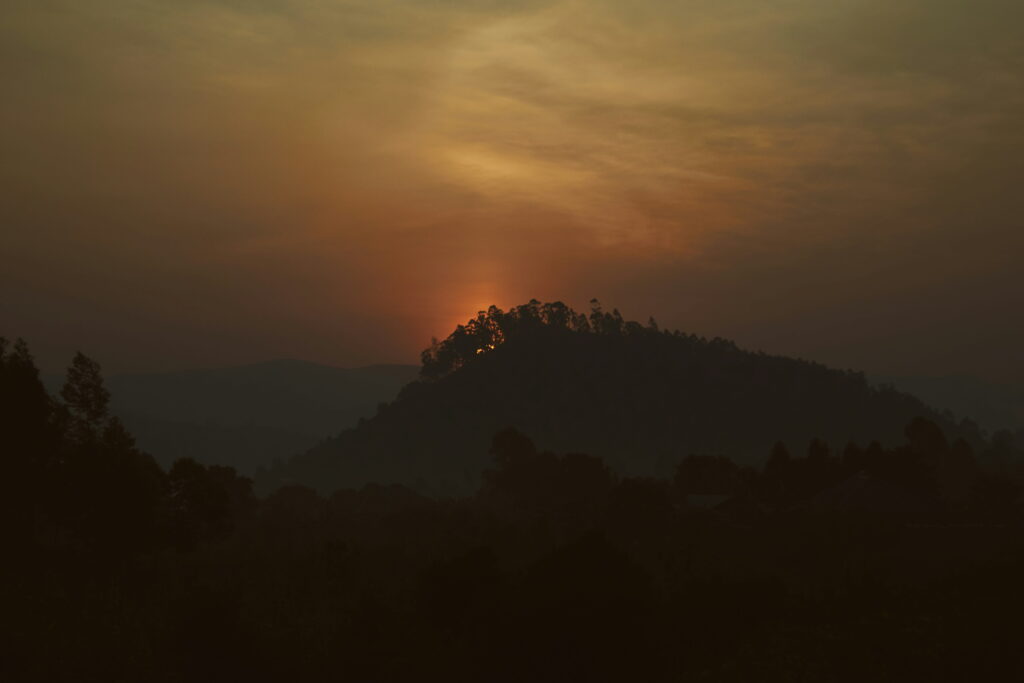
Volcano hiking tours in Rwanda bring travelers into the dramatic highlands of the Virunga Mountains, where a chain of towering volcanic peaks forms the backdrop to Volcanoes National Park in the country’s north. Each mountain has its own personality, from the demanding two-day ascent of Mount Karisimbi to single-day climbs that lead to a crater lake, rugged ridges, bamboo forests, and spectacular viewpoints. Along the trails, hikers can experience changing mountain vegetation, birds and other wildlife, and, when visibility cooperates, views stretching toward Rwanda, Uganda, and the Democratic Republic of the Congo. Amahoro Tours can take care of the practical side of your adventure, including hiking permits, transportation, local guides, accommodation, and custom itineraries that combine volcano hiking with gorilla trekking and other experiences in northern Rwanda.
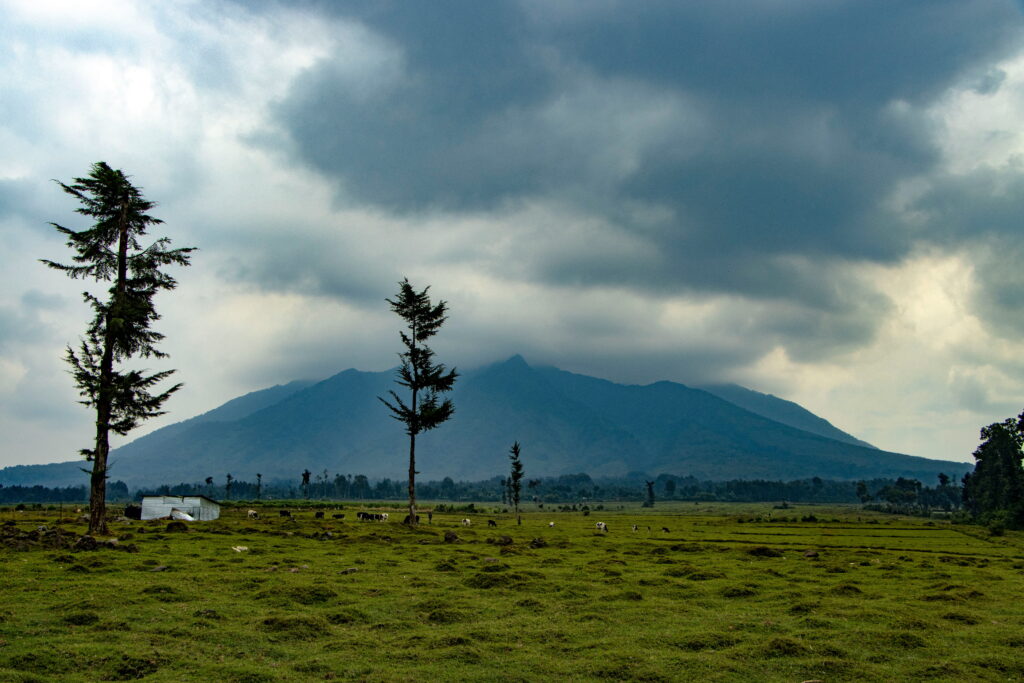
The 5 Volcanoes of Rwanda
Rwanda’s five major volcanoes each offer a distinct hiking experience, ranging from Karisimbi’s demanding two-day ascent to Bisoke’s crater lake, Muhabura’s high-altitude climb, Gahinga’s bamboo-covered slopes, and Sabyinyo’s dramatic ridges. Together, these peaks give travelers several ways to explore the Virunga Mountains, with different levels of elevation, terrain, scenery, and physical challenge.
Mount Karisimbi
At 4,507 meters, Mount Karisimbi is the highest mountain in Rwanda and one of the most demanding volcano hikes in the Virunga range. Its great elevation means conditions can change quickly, with clouds, cold temperatures, and reduced visibility often becoming part of the experience as hikers gain altitude. Unlike the shorter volcano routes, Karisimbi is generally tackled over two days, with an overnight camp included as part of the trek. The combination of elevation, distance, rugged terrain, and overnight camping makes Mount Karisimbi particularly suitable for experienced hikers or travelers specifically looking for a serious high-altitude mountain adventure in Rwanda.
Mount Bisoke
Mount Bisoke rises to approximately 3,711 meters and is famous for the crater lake positioned at its summit. The mountain provides one of Rwanda’s most recognizable volcano hiking experiences, combining a demanding uphill climb with changing vegetation and increasingly rugged terrain as the trail gains elevation. The hike is normally completed in a single day, although the exact duration depends on weather, trail conditions, and the pace of the group. Visit Rwanda estimates the summit hike at roughly five hours to a full day, making Bisoke a substantial but manageable option for travelers who want to reach a volcanic summit without committing to a multi-day expedition.
Mount Muhabura
Standing at 4,127 meters, Mount Muhabura is one of Rwanda’s tallest volcanic peaks and offers a demanding full-day climb. The trail becomes increasingly steep as it approaches the upper slopes, requiring good physical preparation and a steady pace rather than a rushed ascent. Reaching the summit brings expansive views across the surrounding Virunga landscape, while a volcanic crater adds another feature to the mountain’s summit experience. Unlike Karisimbi, the standard Muhabura trek does not require an overnight camp, allowing hikers to take on one of Rwanda’s higher peaks within a single day while still experiencing a challenging high-altitude climb.
Mount Gahinga
At approximately 3,474 meters, Mount Gahinga provides a different type of volcano hiking experience from Rwanda’s higher and more demanding peaks. The route passes through bamboo forests and montane vegetation, creating noticeable changes in the landscape as hikers move toward the upper slopes. Gahinga’s volcanic terrain, elevation, and surrounding mountain scenery make it an appealing choice for travelers who want to experience the Virunga volcanoes without taking on Rwanda’s highest summits. Its lower elevation compared with Muhabura and Sabyinyo does not make it effortless, but it offers a way to explore Rwanda’s volcanic landscape without choosing one of the region’s most extreme climbs.
Mount Sabyinyo
Mount Sabyinyo reaches 3,645 meters and stands out from the other Virunga volcanoes because of its deeply eroded, jagged summit. The mountain sits where Rwanda, Uganda, and the Democratic Republic of the Congo meet, adding a distinctive geographic element to the hike. Higher sections of the route include narrow ridges and steep terrain, with the summit providing dramatic views across the surrounding volcanic range. Visit Rwanda describes the standard trail as taking about six hours in total, with roughly four hours spent climbing and two hours returning. The combination of steep sections, exposed ridges, and unusual summit shape gives Sabyinyo a character that differs considerably from the smoother volcanic slopes of some neighboring peaks.
Rwanda Volcano Hiking Tours at a Glance
If you are comparing Rwanda volcano hiking tours, the five main peaks offer very different experiences. Some can be completed in a single day, while Mount Karisimbi requires an overnight camping experience. Elevation, terrain, hiking time, and the type of scenery you encounter all play a role in choosing the right mountain for your trip.
| Volcano | Height | Approx. Hiking Time | Trip Length | Difficulty | Main Highlight |
|---|---|---|---|---|---|
| Mount Karisimbi | 4,507 m | 2 days | 2 days | Very demanding | Highest summit in Rwanda |
| Mount Muhabura | 4,127 m | Full day | 1 day | Difficult | Summit views and crater |
| Mount Bisoke | 3,711 m | 5–8+ hours | 1 day | Moderate–difficult | Summit crater lake |
| Mount Sabyinyo | 3,645 m | ~6 hours | 1 day | Difficult | Jagged summit and ridges |
| Mount Gahinga | ~3,474 m | Full day | 1 day | Moderate–difficult | Bamboo forest and volcanic scenery |
These times should be treated as general planning estimates rather than fixed schedules. A volcano hike in Rwanda can take longer or shorter depending on weather, trail conditions, altitude, fitness level, breaks, and the pace of the group. Higher elevation can also affect how quickly you move, particularly on Karisimbi and Muhabura. Before choosing a Rwanda volcano hiking tour, consider not only the height of the mountain but also the amount of time you want to spend on the trail, whether you are comfortable with steep terrain, and whether you want a single-day climb or a multi-day mountain experience.
Mount Karisimbi Hiking Tour
Mount Bisoke Hiking Tour
Mount Bisoke offers a very different summit experience from Rwanda’s higher volcanic peaks because the destination is not simply the top of the mountain—the crater lake waiting at the summit is a major part of the hike. The trail begins through forested terrain before becoming more demanding as the elevation increases, with steeper sections and potentially muddy or slippery ground near the upper portion of the route. At 3,711 meters, Bisoke provides a substantial climb without requiring the overnight camping associated with Karisimbi. The trail is non-technical, but conditions can make the hike physically demanding, particularly after rain.
How Long Does Mount Bisoke Take?
A Mount Bisoke hike generally takes about five hours to a full day, depending on the group’s pace, weather, and trail conditions. Rwanda Development Board information currently describes the hike as approximately six to seven hours for less experienced hikers, including the descent, while faster and more experienced hikers may complete the route considerably sooner. The time should therefore be viewed as a planning range rather than a guaranteed schedule. The trail also includes the journey from the park facilities to the trailhead, so the overall morning-to-afternoon excursion can occupy much of the day.
Preparation for Mount Bisoke
You do not need technical mountaineering equipment for Bisoke, but you should arrive prepared for a steep outdoor hike where conditions can change quickly. Good physical fitness will make the climb more comfortable, while hiking boots with dependable traction are especially useful when the trail becomes wet or slippery. Rain protection, breathable layers, and extra clothing can help with changing temperatures as you gain elevation. Gaiters are worth considering for muddy sections, and hiking poles can provide additional stability on both the ascent and descent. Bring enough water and high-energy snacks to keep you fueled throughout the hike. Long trousers are also practical because the trail can pass areas containing stinging nettles.
Mount Bisoke Permit Cost
For foreign visitors, the current official Mount Bisoke hiking permit costs US$75 per adult, according to the Rwanda Development Board’s booking system. Different rates apply to Rwandan citizens, East African citizens, and qualifying foreign residents, so travelers should check the category that applies to them when booking. The official permit covers the regulated mountain hike itself; it should not automatically be treated as the total price of a tour package.
A tour arranged through Amahoro Tours can include additional services beyond the government-issued hiking permit, depending on the itinerary selected. These may include transportation to and from Volcanoes National Park, driver and guide services, meals, accommodation when included in a broader itinerary, and other trip arrangements. Because those services are separate from the official US$75 permit, travelers should compare the complete package inclusions and total tour price rather than assuming the permit represents the full cost of a Mount Bisoke hiking trip.
Mount Muhabura Hiking Tour
A Mount Muhabura hiking tour takes you into the high-altitude landscape of Rwanda’s Virunga Mountains, where the trail climbs steadily toward one of the country’s highest volcanic peaks. At 4,127 meters, Muhabura provides a challenging day in the mountains, combining steep hiking, changing vegetation, cooler conditions, volcanic scenery, and rewarding views from the upper slopes.
What Makes Mount Muhabura Special?
Mount Muhabura rises to 4,127 meters and is one of Rwanda’s most impressive high-altitude volcano hikes. The trail is known for its sustained, steep climb, but reaching the summit brings expansive views of the Virunga mountains, the surrounding countryside, and the Twin Lakes area, along with a volcanic crater near the top.
How Long Does Mount Muhabura Take?
Mount Muhabura is a full-day mountain hike that requires an early morning start. Hikers should allow most of the day for the journey, with several hours dedicated to reaching the summit before beginning the descent, although the total time will depend on weather, trail conditions, fitness, and the pace of the group.
Preparing for Mount Muhabura Hike
Good physical conditioning is important for Mount Muhabura because of the mountain’s steep terrain and high elevation. Wear sturdy hiking boots with reliable grip and bring waterproof clothing, warm layers, trekking poles, plenty of water, and snacks to stay comfortable and energized throughout the climb, while keeping in mind that temperatures can become considerably colder higher on the mountain.
Muhabura Hiking Permit Cost
The current official hiking permit for Mount Muhabura is US$100 per person for foreign visitors. The permit is separate from the overall cost of a guided tour, which may also cover transportation, accommodation, meals, guide services, permit arrangements, and other elements included in an Amahoro Tours itinerary.
Mount Sabyinyo Hiking Tour
A Mount Sabyinyo hiking tour takes you onto one of the most unusual peaks in Rwanda’s Virunga Mountains, where the mountain’s rugged profile creates a very different experience from a conventional summit hike. The route combines steep climbing, narrow ridges, mountain vegetation, and far-reaching views, making Sabyinyo an exciting choice for travelers who want a physically engaging hike with plenty of dramatic scenery along the way.
What Makes Mount Sabyinyo Unique?
Mount Sabyinyo is famous for its deeply serrated summit, with rugged ridges that give the mountain its distinctive appearance. Its location near the meeting point of Rwanda, Uganda, and the Democratic Republic of the Congo adds another remarkable element to the hike, while higher sections can provide views across all three countries when conditions are clear. The surrounding habitat also offers opportunities to encounter birds and other wildlife as you make your way through the mountain environment.
How Long Does Mount Sabyinyo Take?
The standard Mount Sabyinyo hike takes approximately six hours, with roughly four hours devoted to the climb and about two hours for the descent. The timing is not guaranteed, however, as steep sections, weather, trail conditions, rest stops, and the pace of the hiking group can all affect how long you spend on the mountain.
Preparing for Sabyinyo
Sabyinyo requires preparation for steep, uneven, and sometimes narrow sections of trail, so good fitness and confidence on challenging terrain are important. Wear sturdy footwear with strong traction and bring rain protection, gloves, water, and plenty of snacks for the hike. Trekking poles can provide useful support on difficult sections, while gloves are particularly helpful when using hands for balance along steeper parts of the route.
Sabyinyo Hiking Permit Cost
The current official Mount Sabyinyo hiking permit costs US$75 per foreign visitor. The permit covers the official hiking experience but does not represent the full cost of a complete tour, which can include transportation, accommodation, meals, guide services, permit arrangements, and other experiences organized through Amahoro Tours.
Mount Gahinga Hiking Tour
A Mount Gahinga hiking tour takes you into the volcanic mountains of northern Rwanda for a day of changing landscapes, forest trails, and highland scenery. At approximately 3,474 meters, Gahinga offers a substantial mountain hike without reaching the extreme elevations of Karisimbi or Muhabura, making it an appealing addition to a broader Rwanda itinerary that may include wildlife, cultural activities, or other experiences around Musanze.
What Makes Mount Gahinga Different?
Mount Gahinga has its own character among Rwanda’s volcano hikes, with the trail moving through bamboo and montane vegetation before reaching the higher volcanic slopes. The lower elevation compared with Rwanda’s tallest peaks means the experience is less centered on extreme altitude, while the forest, mountain terrain, and volcanic surroundings still provide a genuine highland adventure.
How Long Does Mount Gahinga Take?
Mount Gahinga is typically approached as a full-day hike, giving travelers time to make the climb, enjoy the mountain surroundings, and return along the trail. The actual duration can vary considerably depending on the weather, condition of the trail, fitness of the hikers, breaks, and overall group pace.
Preparing for Mount Gahinga
Preparation for Gahinga should focus on staying comfortable in wet, uneven, and sometimes muddy conditions. Sturdy hiking boots, comfortable clothing, and a waterproof jacket are important, while plenty of water and snacks will help keep your energy up throughout the day. Gaiters can be useful when the trail is muddy, and walking poles are a good optional addition for extra support on uneven ground.
Gahinga Hiking Permit Cost
The current official hiking permit for Mount Gahinga is US$75 per person for foreign visitors. This is the cost of the hiking permit itself and should not be confused with the price of a complete tour, which may also include transportation, accommodation, meals, guide services, permit arrangements, and other activities organized by Amahoro Tours.
Best Time for Volcano Hiking in Rwanda
Rwanda’s Volcano Weather
Rwanda’s volcanoes have their own mountain climate, which can be very different from the weather in Musanze or Kigali. Temperatures become colder as you climb, clouds can move across the slopes quickly, and rain may develop even when the day begins under clear skies. Higher sections of the trail can also have completely different conditions from the starting point, so hikers should dress in layers and carry waterproof protection regardless of the month. On summit days, cloud cover can limit views even when conditions elsewhere in the region are pleasant.
Dry vs. Rainy Seasons
Rwanda’s drier months of June–September and December–February generally offer easier trail conditions, while March–May and October–November tend to bring more rain, mud, and challenging hiking conditions.
Drier Periods
June through September is generally considered one of the better periods for volcano hiking, with December through February providing another relatively favorable window. Trails may be firmer and easier to navigate, and there can be better opportunities for views from higher elevations. Even during these months, however, hikers should bring rain protection because mountain weather does not always follow the broader seasonal pattern.
Wetter Periods
March through May is Rwanda’s main rainy season, while October and November can also bring frequent rainfall. These periods can leave trails wetter and more difficult to navigate, particularly on steep sections where mud and slippery ground slow the climb. Rain jackets, waterproof trousers, appropriate hiking boots, and extra care with footing become especially useful. Wetter months can still be suitable for volcano hiking, but travelers should be prepared for a more demanding trail and less predictable visibility.
How Difficult Are the Volcano Hikes in Rwanda?
The five main volcano hikes offer very different physical challenges. Elevation is one factor, but distance, steepness, overnight camping, trail surfaces, and the amount of time spent climbing can have just as much influence on how difficult a hike feels. Your fitness level and experience with mountain hiking also matter, so the best choice is the mountain that matches the type of challenge you actually want.
Karisimbi
Karisimbi is the most demanding option for travelers looking for a serious mountain trek. At 4,507 meters, it is Rwanda’s highest peak, and the route is spread across two days with an overnight camping portion. The combination of altitude, sustained hiking, and sleeping at elevation makes this a much bigger undertaking than Rwanda’s one-day volcano hikes.
Muhabura
Muhabura delivers a demanding summit experience within a single day. The trail climbs steeply toward an elevation of 4,127 meters, so the combination of a strong uphill effort and thinner air becomes increasingly noticeable as you approach the top. Hikers should be prepared for a long, strenuous day rather than viewing it simply as a standard day hike.
Sabyinyo
Sabyinyo stands out because of the character of its upper trail. Steep climbs are followed by rugged sections and narrow ridges, requiring concentration as well as physical effort. The terrain makes this hike particularly appealing to travelers who enjoy a more technical-feeling mountain experience rather than judging difficulty by elevation alone.
Bisoke
Bisoke is a one-day climb that becomes progressively more demanding as the trail rises toward the summit and crater lake. Steep sections can require a steady pace, while rain can turn parts of the route into mud. During wetter periods, the condition of the trail may be a bigger factor than the distance itself.
Gahinga
Gahinga is lower than the other major volcanoes, reaching approximately 3,474 meters, but it still involves a genuine mountain climb. The route passes through forest and highland terrain, with sections that require consistent effort. It can be a good choice for travelers who want to experience Rwanda’s volcanic landscape without taking on the elevation of Karisimbi or Muhabura.
What Is The Most Difficult Hike
Mount Karisimbi is generally the most demanding of Rwanda’s main volcano hikes because of its 4,507-meter elevation, two-day itinerary, overnight camping, and challenging high-altitude conditions. Mount Muhabura and Mount Sabyinyo also provide strenuous single-day climbs.
Rwanda Volcano Hikes Compared: Which One Fits Your Trip?
Each Rwanda volcano offers a different combination of elevation, terrain, hiking time, and scenery. The best fit depends on whether your priority is reaching the highest summit, seeing a crater lake, tackling a demanding day hike, exploring ridges, or experiencing distinctive vegetation.
If you want the highest mountain:
Mount Karisimbi is the choice for travelers who want to climb Rwanda’s highest peak at 4,507 meters. Its two-day format also provides a more extended mountain experience than the country’s standard one-day volcano hikes.
If you want a crater lake:
Mount Bisoke is known for the volcanic crater lake at its summit, giving hikers a clear destination beyond simply reaching the highest point. The one-day trek combines forest, steep terrain, and a distinctive summit landscape.
If you want a high-altitude one-day challenge:
Mount Muhabura reaches 4,127 meters and packs a substantial climb into a single day. Its steep trail, high elevation, summit crater, and wide-ranging views make it a demanding choice without requiring an overnight stay.
If you want dramatic ridge scenery:
Mount Sabyinyo is particularly recognizable for its rugged summit and narrow ridge sections. The route offers striking views across the Virunga region and toward the borders of Rwanda, Uganda, and the Democratic Republic of the Congo.
If you want a volcano hike with a different vegetation experience:
Mount Gahinga offers a hike through bamboo and montane vegetation before reaching its volcanic upper slopes. Its lower elevation compared with Rwanda’s tallest peaks provides a different mountain environment while still delivering a genuine Virunga volcano experience.
Can You Combine Volcano Hiking With Gorilla Trekking?
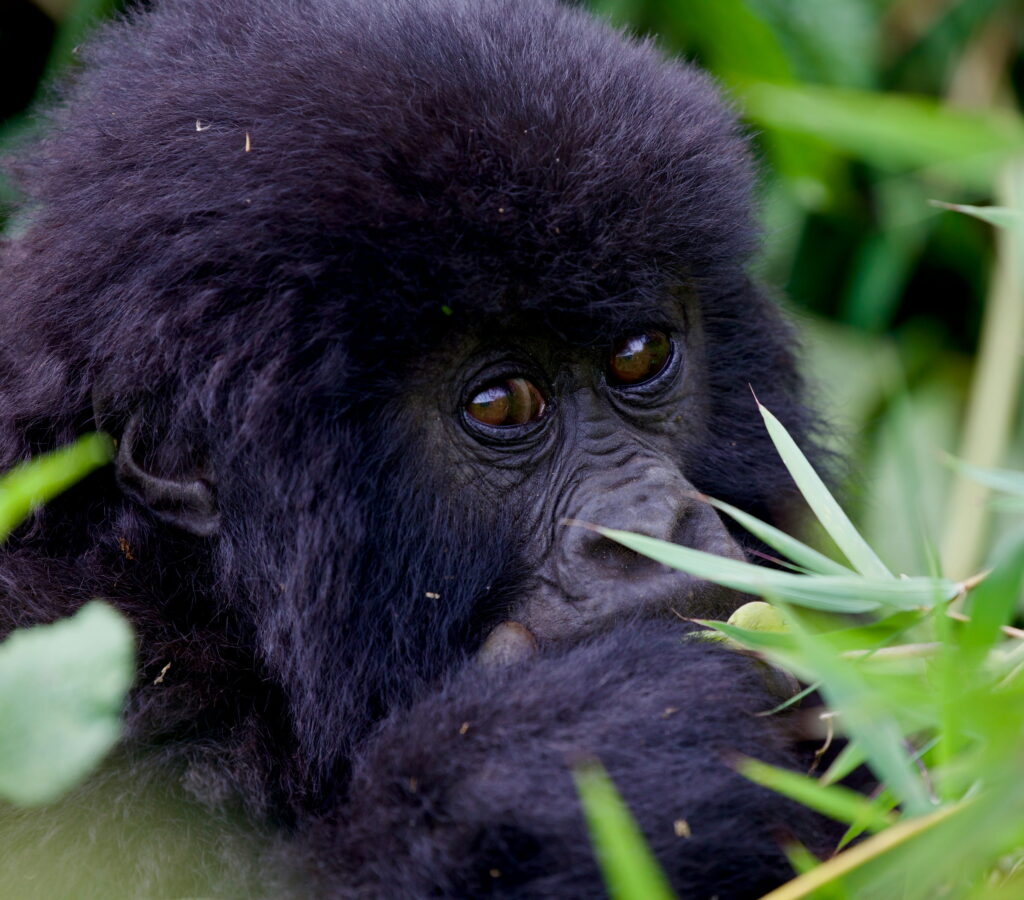 A volcano hiking trip can be combined with several of the experiences that make the Musanze region one of Rwanda’s most rewarding destinations. Travelers can build an itinerary that includes a volcano climb alongside Rwanda gorilla trekking, golden monkey trekking, a visit to the Dian Fossey research site, a tour of Musanze Cave, time at the Twin Lakes, and cultural experiences in the communities around Musanze. Rather than treating each activity as a separate excursion, Amahoro Tours can arrange them together to create a balanced Rwanda itinerary with mountain hiking, wildlife, scenery, one day gorilla trekking and local experiences.
Volcano Hiking Tours From Kigali
Starting your volcano hiking adventure from Kigali is straightforward, with Amahoro Tours able to coordinate the journey from the capital through Rwanda’s northern mountain region. An early departure from Kigali allows travelers to reach Musanze or Kinigi with time to settle in before their planned activities, while spending the night near Volcanoes National Park can make an early hiking start much more convenient. Amahoro Tours can handle the details from the beginning, including Kigali pickup, private transportation, accommodation, hiking permits, a local hiking guide, and the organization of a complete volcano hiking itinerary based on your preferred mountain and available travel time.
Kigali to Volcanoes National Park
The journey from Kigali to the Volcanoes National Park area typically takes several hours by road, depending on traffic, weather, and stops along the way. Leaving Kigali early gives travelers more flexibility once they reach Musanze or Kinigi and is particularly useful when a hike or other park activity is scheduled for the following morning. Staying close to the park eliminates a longer early-morning drive on hiking day and allows you to start the day closer to the mountain trails. Amahoro Tours can arrange the entire route, from pickup in Kigali and transportation to your accommodation through to permits, hiking arrangements, guides, and the rest of your volcano adventure.
Plan Your Volcano Hiking Tour in Rwanda With Amahoro Tours
Rwanda’s volcanoes offer an unforgettable way to experience the country beyond its famous wildlife, from high mountain summits and crater landscapes to bamboo forests, dramatic ridges, and sweeping Virunga views. Our tours in Rwanda can build a custom volcano hiking itinerary around your schedule, interests, and fitness level, whether you want to combine Bisoke or Muhabura with gorilla trekking, take on the two-day Karisimbi hike, pair Sabyinyo with golden monkeys, or add volcano hiking and the Twin Lakes to your Rwanda adventure. We can arrange transportation from Kigali, permits, accommodation, a driver/guide, optional porter services, and the other details needed to make your trek smooth from start to finish. Contact Amahoro Tours to plan your Rwanda volcano hiking tour and choose the mountain, itinerary and experiences that fit your trip.
See What Our Guests Are Saying
 Rwanda is Amazing - Had a fantastic experience with Amahoro tours (through jenman safaris).
We got to see such amazing wildlife in Rwanda as well as some cultural/historical places like the genocide memorial/the king's palace/hotel des milles collines. The gorilla and chimpanzee trekking were real highlights. Accommodations were excellent!
And of course, thank you to our guide/driver Mugabe in helping us get to our various locations and explaining various aspects about Rwanda!

 Connector38769434417
July 21, 2026
This is THE best tour company in Rwanda! - My husband and I had the absolute best experience with Amahoro Tours and highly recommend you book your Rwanda trip with them. Amos was extremely helpful and we fell in love with Rwanda in large part because we had such a great guide named Edmond who was very professional, prompt, and had a wealth of knowledge. He’s likely the best driver in the whole country so you should request him specifically! After visiting and working with other tour companies in Rwanda, Tanzania, and Zanzibar, we can confidently say Amahoro Tours was the best and we look forward to using them again in the future.
 travel_more202
January 10, 2026