
Gorillas: Why They’re Important & Why They’re Endangered
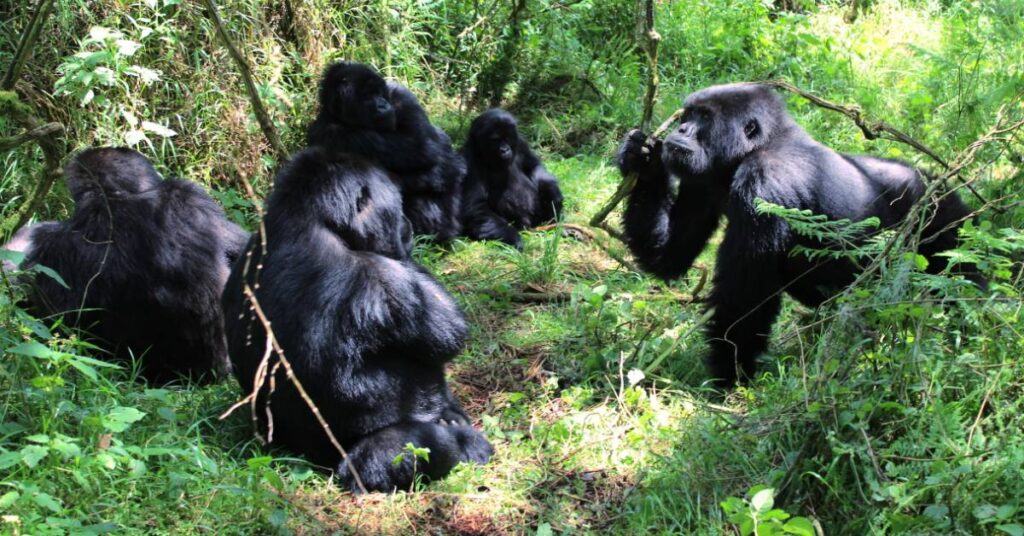
Gorillas are majestic animals who are native to Africa. Why are mountain gorillas endangered has been brought up more and more over the years. In all, there are two species, the East Gorillas and the West Gorillas. Within the East Gorilla species, you can find the Mountain Gorillas and the Eastern Lowland Gorillas. Within the West Gorilla species, you can find the Western Lowland Gorilla and the Cross River Gorilla. Unfortunately, each type of gorilla is listed on the endangered species list, falling into either the endangered (mountain and eastern lowland gorillas) or the critically endangered (cross river and western lowland gorillas) distinctions. In this blog, we’ll be exploring both why the gorilla is such an important creature, as well as why gorillas are currently endangered. Learn more from the best gorilla trekking company, Amahoro Tours, now.
The Importance of Mountain Gorillas of Virunga
More than anything, the four types of gorillas maintain crucial ecological balance to their distinctive regions of Africa. More specifically, because gorillas have such a diverse vegetarian diet, they have become critical vehicles for the dispersing of seeds. Although there are other animals who help with this task, gorillas are able to spread the seeds of larger fruits that other, smaller animals are incapable of consuming. When gorillas consume a fruit and later expel the seeds, they are helping to perpetuate diverse, supportive ecosystems.
Due to the nature of how gorillas interact with and perpetuate their ecosystems, it’s almost unimaginable to consider the full impact their extinction would bring. What we do know is that animals, ecosystems, and humans alike would be negatively impacted, as without the gorilla many species of plants would no longer have a way to spread their seeds and continue the life cycle. Outside of their ecological value, gorillas are truly amazing creatures. Our closest living relatives, gorillas share 98.3% of their DNA with humans. Perhaps that’s the reason they’re so intelligent! Gorillas have been observed disarming basic traps, using sticks and other natural materials to create practical tools, and they have at least twenty-five different vocalizations they use to communicate with each other.
Total Amount Of Gorillas Remaining In The World
Recent estimates indicate that approximately 200,000 gorillas remain in the world, encompassing four distinct species. Among these, the Western Gorilla (Gorilla gorilla) is the most numerous, with its population split into two subspecies. The Western Lowland Gorilla is estimated to have around 100,000 individuals, making it the most widespread and accessible species. In contrast, the Cross River Gorilla is critically endangered, with fewer than 300 individuals left in the wild.
The Eastern Gorilla (Gorilla beringei) includes two subspecies as well. The Eastern Lowland Gorilla, also known as Grauer’s Gorilla, is facing a significant decline, with an estimated population of just 5,000 individuals remaining. Meanwhile, the Mountain Gorilla has shown promising signs of recovery due to intensive conservation efforts. Recent census data indicates that approximately 1,063 Mountain Gorillas inhabit the Virunga Massif region, which spans Rwanda, Uganda, and the Democratic Republic of the Congo.
Different Types Of Gorillas
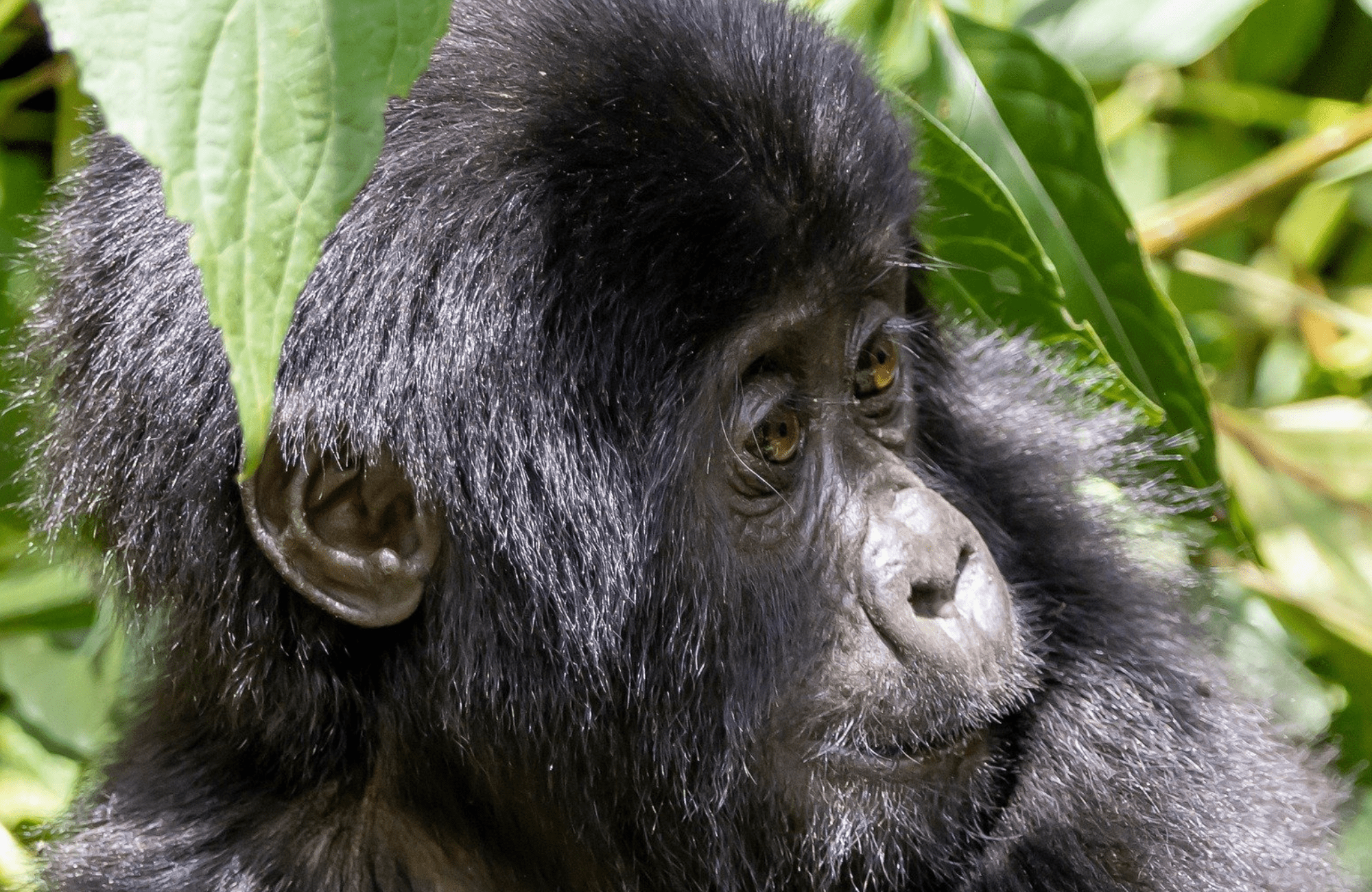
Today, the world’s gorilla population is divided into Eastern and Western groups, each facing unique challenges. The Eastern gorilla, which includes the critically endangered Mountain Gorilla, has seen some recovery due to dedicated conservation efforts, with over 1,000 individuals thriving in their natural habitat. In contrast, the Western gorilla, comprising the Western Lowland Gorilla and the rarer Cross River Gorilla, is threatened by habitat destruction and poaching, leading to significant population declines. Together, these magnificent species underscore the urgent need for wildlife conservation amidst ongoing environmental challenges. Each of these gorilla species are endangered. With our help, we can help their numbers recover. Tourism is a huge portion to the growth of future gorilla populations!
Eastern Gorilla Species
Eastern gorillas, characterized by their robust build and deep-set eyes, primarily inhabit the mountainous forests of Eastern Africa, setting them apart from their Western relatives, which thrive in lowland rainforests. This group includes two subspecies: the Mountain Gorilla, celebrated for its recent population recovery due to intensive gorilla conservation, and the Eastern Lowland Gorilla, which is facing a steep decline. Unfortunately, the Eastern Lowland Gorilla’s numbers have plummeted, primarily due to habitat destruction and illegal hunting, leading to increasing concerns about their survival. The situation highlights the urgent need for continued protection and awareness to secure a future for these magnificent creatures.
Mountain Gorillas Of Virunga
Mountain gorillas, residing in the hills and jungles of the Virunga Mountains, are a captivating subspecies known for their thick fur, which helps them adapt to the cooler high-altitude climate. Unlike their lowland counterparts, Mountain Gorillas possess a more robust build and larger body size, which aids in their survival in this challenging environment. They are primarily herbivorous, feeding on a diet rich in leaves, stems, and fruits found in their mountainous habitat.
These gorillas are also renowned for their social structures, living in close-knit family groups led by a dominant silverback male, which fosters strong bonds and cooperation among members. Conservation efforts have significantly increased their population over the past few decades, making them a symbol of hope for wildlife preservation, yet they remain critically endangered due to threats like habitat loss and poaching. If you are interested in helping with conservation, we recommend checking out the 1 day Gorilla Trek Rwanda loves!
Eastern Lowland Gorillas
Eastern lowland gorillas, also known as Grauer’s gorillas, are distinguished by their larger size and distinctive physical features, making them the largest of all gorilla subspecies. They possess a robust body, a broad chest, and a prominent forehead, along with a striking dark fur coat that sometimes exhibits a hint of brown. These gorillas are primarily found in the dense, mountainous forests of eastern Democratic Republic of the Congo, where they inhabit a diverse range of ecosystems, from tropical rainforests to bamboo forests.
Their diet is varied, consisting of leaves, stems, fruits, and flowers, which they forage within their rich habitat. Socially, eastern lowland gorillas are known for their complex family dynamics, often forming groups led by a dominant silverback, providing structure and protection for younger members. Unfortunately, they face significant threats from habitat destruction, poaching, and civil unrest, leading to a dramatic decline in their population and making conservation efforts crucial for their survival. Learn more about our Congo Gorilla Tours now!
Western Gorilla Species
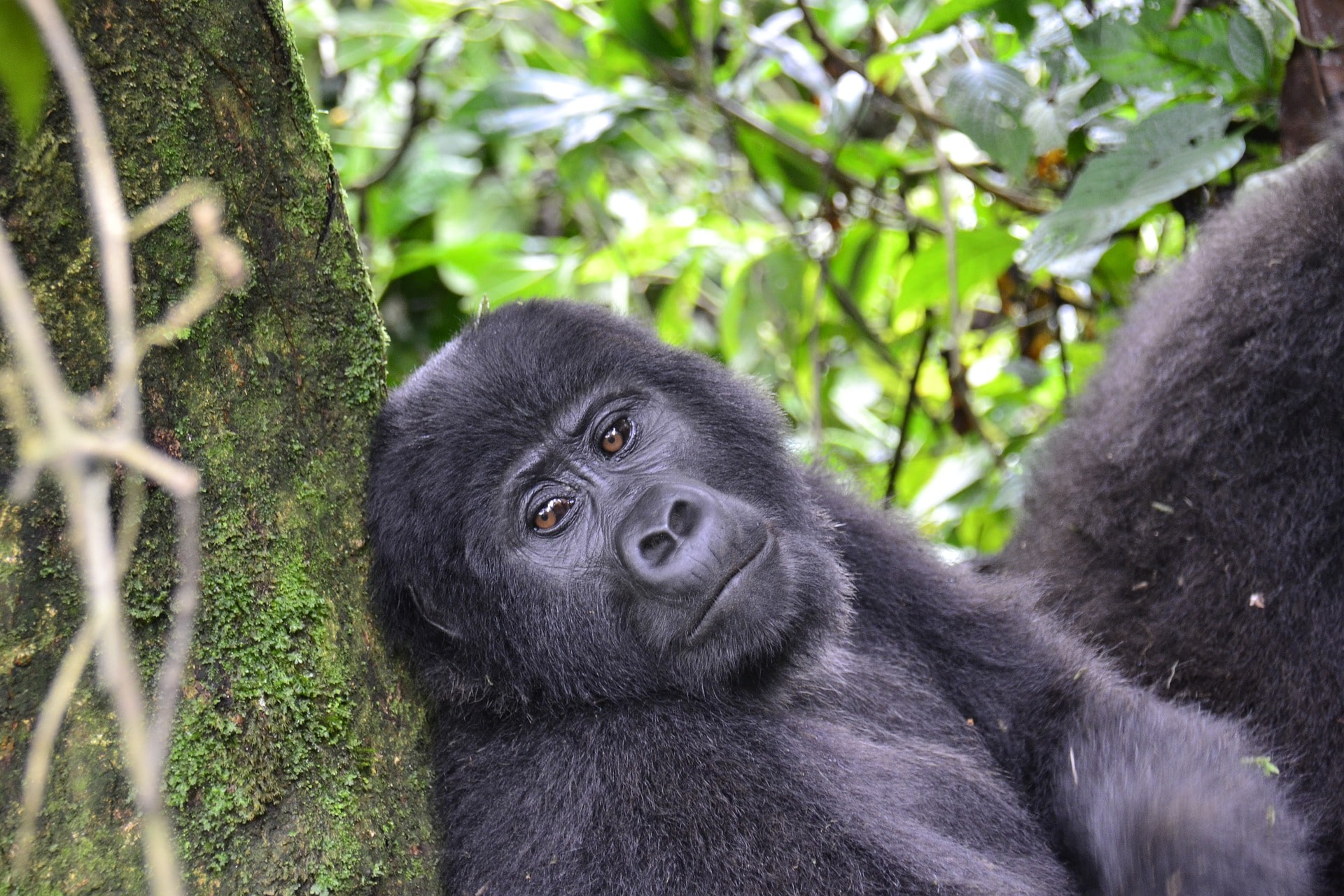
Western gorillas and eastern gorillas showcase distinct differences in their physical traits, habitats, behaviors, and conservation challenges. The Western gorillas tend to be smaller, featuring narrower skulls and longer limbs, and they thrive in the lowland rainforests of western and central Africa. In contrast, eastern gorillas, which include the mountain gorilla and eastern lowland gorilla, inhabit the more rugged mountainous regions of the eastern Democratic Republic of the Congo. Their dietary preferences reflect their environments; western gorillas enjoy a fruit-rich diet, while eastern gorillas primarily consume leaves and stems. Both species face critical threats from habitat destruction and poaching. However, preservation efforts for eastern gorillas, especially mountain gorillas, have shown positive results with gradual population growth, whereas western gorillas continue to struggle with declining numbers and remain critically endangered.
Western Lowland Gorilla
Cross River Gorilla
The Cross River Gorilla is notable for being the rarest of all gorilla subspecies, with fewer than 300 individuals remaining in the rugged mountain regions along the Nigeria-Cameroon border. This limited habitat renders them particularly vulnerable to threats like habitat destruction, poaching, and disease. Physically smaller and more slender than other gorillas, they possess unique facial features and behavioral traits that reflect their adaptation to their environment. Their elusive nature makes them one of the least studied subspecies, while their genetic diversity is of significant interest to researchers, representing a distinct lineage isolated for thousands of years. Conservation initiatives are vital for ensuring their survival, emphasizing the protection of their habitats and fostering community involvement to address poaching and encourage sustainable practices within their territories.
Why Are Mountain Gorillas Are Endangered
As we said above, all four types of gorilla are listed on the endangered species list. Ultimately, their endangered state can be traced to three major factors: habitat loss, poaching, and disease.
Gorilla Habitat Loss
Habitat loss is definitely one of the major contributing factors to the endangerment status of gorillas. Over the years, humans have encroached further and further into gorilla habitats for a variety of reasons. Development, war, and the harvesting of natural resources like oil have been primary reasons as to why their habitats have been and in some cases, are still being destroyed.
Gorilla Habitat Loss In Africa – Past 10 Years
Over the past decade, the gorilla habitat in Africa has experienced significant shrinkage due to various factors, including deforestation, habitat fragmentation, agriculture, and human encroachment. According to the World Wildlife Fund (WWF), the overall habitat of the western gorilla species has decreased by approximately 50% since the 1990s. Specifically, the Mountain Gorilla population, primarily found in the Virunga Massif region, has seen habitat pressures, but conservation efforts have led to a slight population increase.
In the last 10 years, reports indicate that the habitats of both mountain and eastern lowland gorillas continue to be threatened, with an estimated loss of around 6,000 square kilometers of habitat in the eastern Democratic Republic of the Congo (DRC) alone. This loss is largely attributed to illegal logging, mining activities, and agricultural expansion. Continued conservation efforts are crucial to reversing these trends and protecting the remaining gorilla habitats.
Poaching Gorillas
Poaching is essentially illegal hunting, and considering that every type of gorilla is considered endangered, any hunting of gorillas is illegal. That being said, poaching is still an issue with gorilla conservation. Primarily, gorillas are poached for bushmeat, which simply means wild game meat. However, gorillas are also still poached for certain body parts that are used for traditional medicines. Additionally, infant gorillas are often abducted and sold illegally, which effectively removes gorillas and their positive impacts from the environment. The intentional killing of adult gorillas is especially disheartening considering once a gorilla is removed from its habitat, it takes over a decade for an infant gorilla to mature to the point where it has the same positive impact on its environment as the removed adult. This dramatically affects the overall balance of the ecosystem.
Empowerment Through Employment – A New Look For Conservation Allies
Diseases Increasing The Number Of Endangered Gorillas
The leading causes of gorilla deaths often stem from diseases that can spread between gorillas and humans, as gorillas share about 98% of their DNA with us. These diseases include:
Respiratory Illnesses
Ebola Virus
Most recently, the disease Ebola has had a massive negative impact on the gorilla population. Since the 1990s, Ebola has been killing off large groups of gorillas as well as chimpanzees. In some cases, entire gorilla populations have fallen victim to the disease. One of the most devastating diseases for gorilla populations, Ebola outbreaks have led to significant losses, wiping out up to 90% of gorilla populations in affected areas. The virus spreads easily and is fatal for most infected gorillas.
Parasitic Infections – Fatal Complications
Tuberculosis (TB) and Gorillas
Anthrax (Rare)
Although rare, anthrax outbreaks have occasionally devastated gorilla populations, particularly in central Africa’s lowland areas. This bacterial infection is swift and deadly, often killing infected animals within days. Gorillas contract anthrax primarily through contact with contaminated soil or water, and due to their social nature, infections can rapidly spread within groups. The lethal effect of anthrax has spurred extensive research and emergency response strategies among conservationists, who closely monitor these areas to detect early signs of outbreaks. Effective management, such as vaccinations in affected wildlife areas and swift containment measures, has become vital to limiting anthrax’s impact and protecting these endangered populations.
Efforts in conservation, such as those led by responsible eco-tourism companies, support disease monitoring and preventive measures, helping to reduce these threats to gorilla populations.
The Good News
Yes, this talk of endangerment can be extremely upsetting, but there still is some light at the end of the tunnel. In 2018, the Mountain Gorilla census confirmed that their population is definitely rising. If this trend continues, we may be able to eventually remove the Mountain Gorilla from the endangered species list! In addition to this, the mere fact that the Mountain Gorilla population is on the rise means that it’s possible to stabilize and eventually grow the populations of the other gorilla types.
Along with the tangible benefits of a growing population, there has been a massive movement to protect our remaining gorilla populations. Groups like the International Gorilla Conservation Programme, the World Wildlife Fund, and the African Wildlife Foundation are all committed to the protection and stabilization of gorilla populations.
Help Save The Endangered Gorillas Today

See What Our Guests Are Saying