
Bwindi Gorillas vs Mgahinga Gorillas — A Uganda Gorilla Comparison
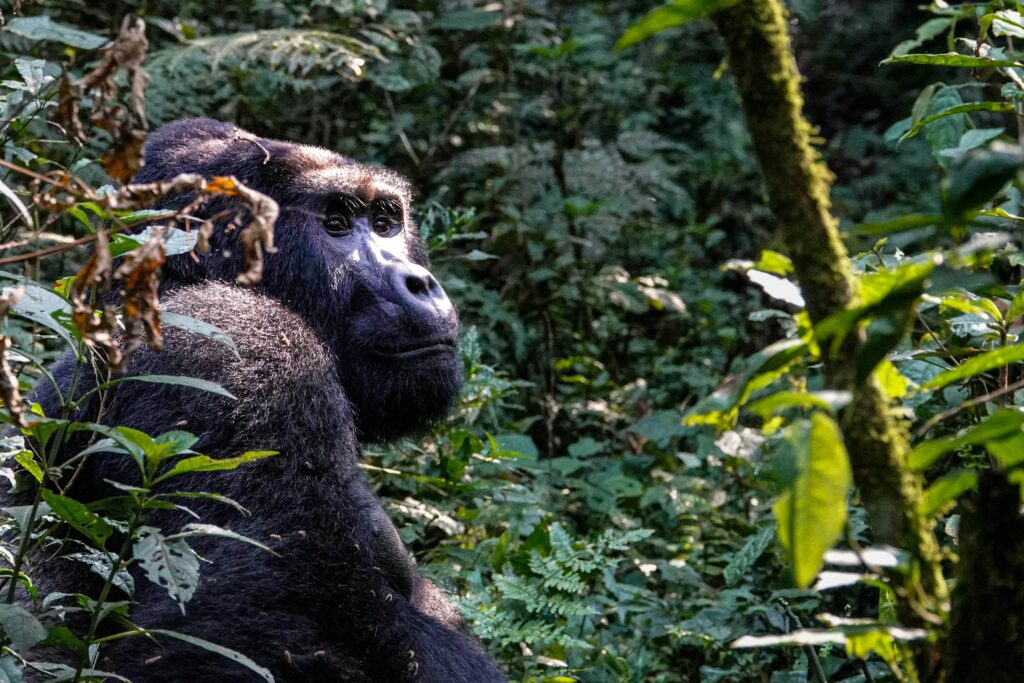
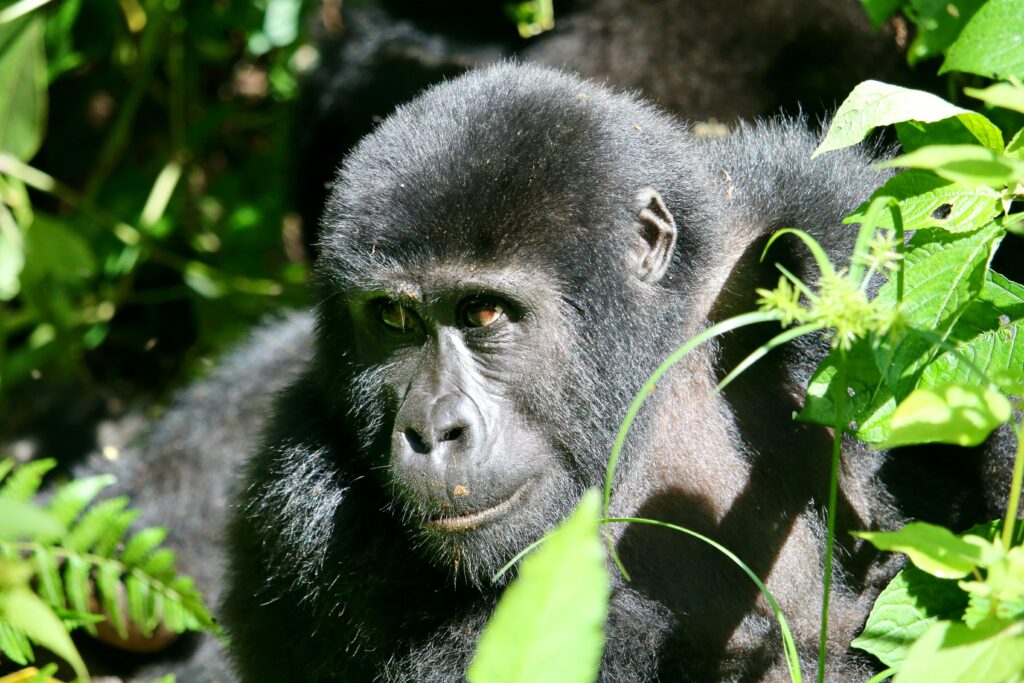
Exploring Uganda’s gorilla habitats reveals a captivating contrast between Bwindi gorillas vs Mgahinga gorillas, where every Bwindi or Mgahinga trek immerses you in distinct ecosystems. Bwindi’s dense, misty rainforest hosts larger, habituated families thriving on abundant fruits and foliage, offering intimate, slow-paced encounters that highlight social bonds and family dynamics. Mgahinga’s volcanic slopes showcase smaller, highly agile gorilla groups navigating bamboo thickets and rugged terrain, creating energetic, panoramic experiences that reveal adaptability and resilience. Comparing Bwindi vs Mgahinga gorillas illuminates how habitat shapes behavior, social structure, and trekking adventures, giving wildlife enthusiasts a front-row view of two extraordinary primate worlds. Lean more from Amahoro Tours about the Bwindi vs Mgahinga now.
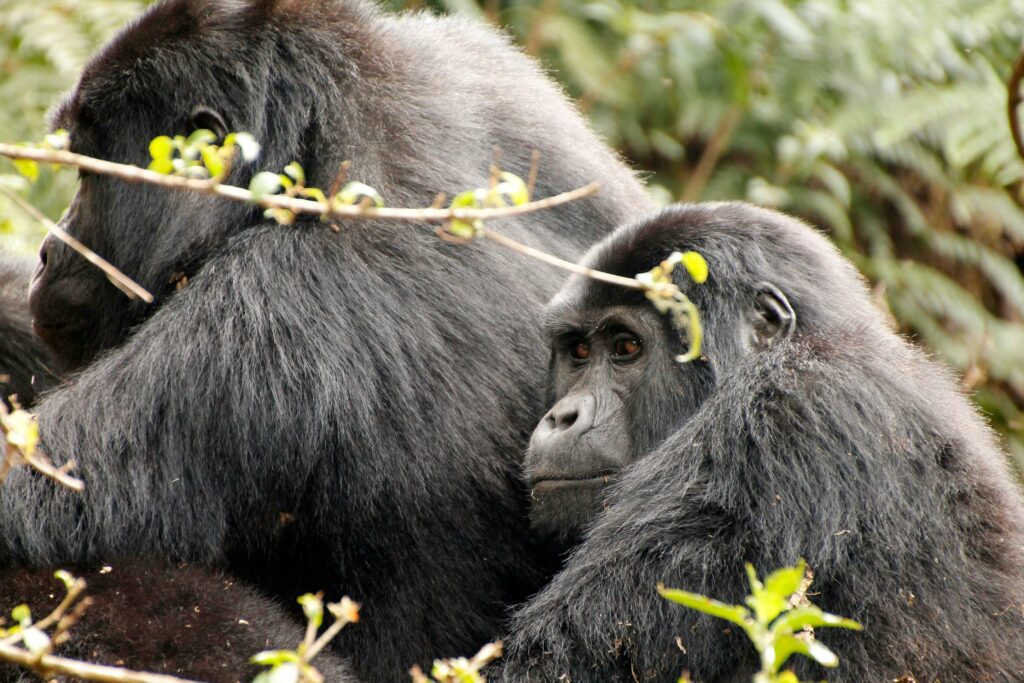
Overview: Understanding the Bwindi Gorilla and the Mgahinga Gorilla
Quick Summary of Key Differences
- Habitat Structure: Bwindi – dense rainforest; Mgahinga – volcanic slopes with bamboo.
- Group Sizes: Bwindi – larger families; Mgahinga – smaller groups.
- Terrain: Bwindi – steep, forested trails; Mgahinga – mixed bamboo and highlands.
- Gorilla Behavior Variations: Bwindi – calmer, habituated; Mgahinga – active, elusive.
- Population Distribution: Bwindi – high concentration; Mgahinga – small, isolated groups.
Why These Two Gorilla Populations Are Compared So Often
Enthusiasts often contrast these gorilla populations because, although both are Uganda Mountain Gorillas, their environments shape very different experiences. Bwindi’s thick, mist-filled forests provide deep, contemplative Bwindi treks with larger families, while Mgahinga’s volcanic terrain offers brisk, lively encounters with smaller, agile groups. Exploring both reveals how habitat and ecological pressures influence gorilla behavior, making each trekking adventure distinct and captivating.
Habitat Comparison — Where the Bwindi and Mgahinga Gorillas Live
Mgahinga gorillas navigate the high, volcanic slopes with scattered, seasonal food, developing agility and adaptability, while Bwindi gorillas stay mostly within dense, resource-rich forests, focusing on localized feeding and close social bonds.
Bwindi Gorilla Habitat
Bwindi gorillas thrive in one of Africa’s most ancient rainforests, where dense, multi-layered vegetation creates a verdant maze. Thick undergrowth ensures that leaves, shoots, and fruits are always within easy reach, reducing the need for long foraging journeys. Nestled on mid- to high-altitude slopes, this habitat encourages gorillas to remain in localized areas, moving less and focusing on the abundant resources around them, fostering close-knit social interactions within larger families.
Mgahinga Gorilla Habitat
Mgahinga gorillas inhabit the open, volcanic slopes of the Virunga Mountains, where bamboo forests dominate and visibility is much clearer than in Bwindi. Positioned at higher elevations, these gorillas must travel greater distances to follow seasonal food sources, navigating steep ridges and open clearings. The more sparse and shifting environment encourages agility and movement, making their daily routines more dynamic and exploratory compared to their Bwindi counterparts.
How Habitat Shapes Behavior in Each Population
The contrasting habitats of these two gorilla populations drive distinct behavioral patterns. Bwindi gorillas, living in dense, resource-rich forests, tend to be more stationary and forest-adapted, focusing on localized feeding and social cohesion. In contrast, Mgahinga gorillas, navigating higher volcanic terrain with dispersed food, exhibit greater mobility and mountain-adapted behaviors, traveling widely and demonstrating adaptability to the rugged, seasonal environment.
Bwindi vs Mgahinga Gorillas Diet and Feeding Patters
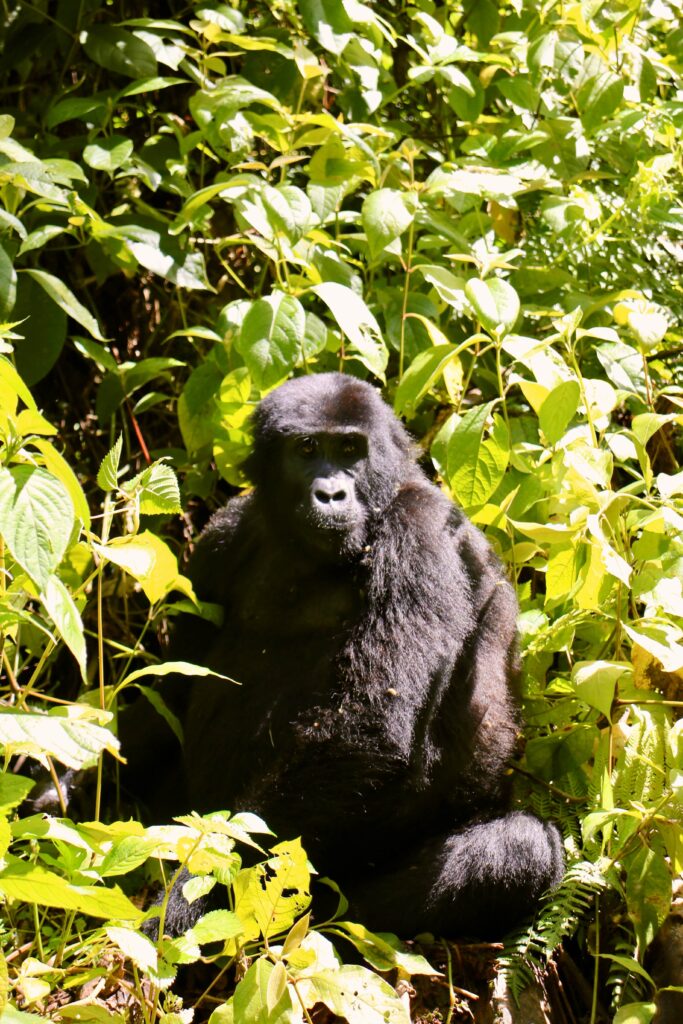 Mgahinga gorillas trek long distances across volcanic slopes for bamboo and seasonal fruits, while Bwindi gorillas feed leisurely on abundant rainforest plants, highlighting the striking contrast between Mgahinga gorilla vs Bwindi gorilla.
Mgahinga Gorilla Diet
Mgahinga gorillas’ diet is dominated by bamboo species such as Arundinaria alpina, which forms dense thickets along the high volcanic slopes. They also consume wild celery (Apium graveolens), stinging nettles, giant heather leaves, and seasonal fruits including wild guava (Psidium guajava) and wild passionfruit (Passiflora edulis) when available. Occasionally, they eat insect larvae or termites found under decaying logs to supplement protein intake. Because these food sources are scattered and seasonal, Mgahinga gorillas often trek 5–10 km daily across steep ridges and volcanic clearings, adjusting their routes based on the availability of bamboo shoots and fruiting trees.
Bwindi Gorilla Diet
Bwindi gorillas enjoy an extraordinarily diverse menu in the dense rainforest, consuming over 100 plant species. Key staples include wild bananas (Musa spp.), papaya (Carica papaya), giant lobelia (Lobelia spp.), stinging nettles (Urtica massaica), and tender shoots of bamboo when present. Fruits such as guava (Psidium guajava), wild coffee berries (Coffea canephora), and forest figs (Ficus spp.) are available year-round, allowing gorillas to forage within a few hundred meters without extensive trekking. The consistent abundance supports larger family groups and promotes social feeding behaviors, with multiple gorillas feeding peacefully in the same patch.
How Diet Impacts Daily Behavior
The contrasting diets directly shape their behavior: Mgahinga gorillas exhibit higher energy and mobility, walking across rugged volcanic terrain to follow bamboo and seasonal herbs, often adjusting routes daily. Their feeding periods are spread out, interspersed with pauses to rest between long hikes. In contrast, Bwindi gorillas’ rich, diverse food supply allows a calmer daily rhythm, with shorter feeding circuits and extended periods of social interaction, grooming, and nest-building within close proximity to their core feeding areas.
Family Size and Social Dynamics
Bwindi gorillas form large, multi-silverback families where cooperative behaviors, play, and nurturing define daily life within dense rainforest, while Mgahinga gorillas live in smaller, tightly bonded units, highlighting leadership, protection, and coordination—showcasing the striking contrasts of Bwindi vs Mgahinga.
Bwindi Gorilla Family Structures
Bwindi gorilla families are expansive, often including 20–25 members with multiple silverbacks, numerous juveniles, and playful infants. The presence of several adult males creates layered hierarchies, where leadership, protection, and decision-making are shared, and social negotiation happens constantly. Within the dense rainforest, family members spend extended time together feeding, grooming, and playing, strengthening bonds and maintaining cohesion. Observers can witness intricate interactions, including conflict resolution, care for newborns, and intergenerational teaching, reflecting a sophisticated, highly social system.
Mgahinga Gorilla Families
Mgahinga gorilla groups are smaller, typically containing 7–15 individuals and usually led by a single dominant silverback. This fosters intense, close-knit interactions, as each member’s movements, grooming, and play are highly coordinated. Juveniles are closely monitored, and foraging requires cooperation due to scattered bamboo and mountain vegetation, highlighting adaptability and shared survival strategies. Mgahinga gorilla trekkers gain an intimate perspective, observing highly visible social rituals, family communication, and protective behaviors in a dynamic and challenging environment.
Notable Behavioral Differences Between Mgahinga and Bwindi Gorillas
Bwindi gorillas exhibit broad, multi-silverback social networks with several adults influencing group decisions, resulting in intricate daily routines and varied interactions. Mgahinga gorillas rely on a single leader for coordination, promoting tight cohesion, synchronized movement, and highly observable interactions in smaller units. These contrasts reveal how family size and environment shape social complexity, behavior, and survival strategies, offering unmatched insight into gorilla society.
Physical Comparison — Size, Strength, Speed, and Movement
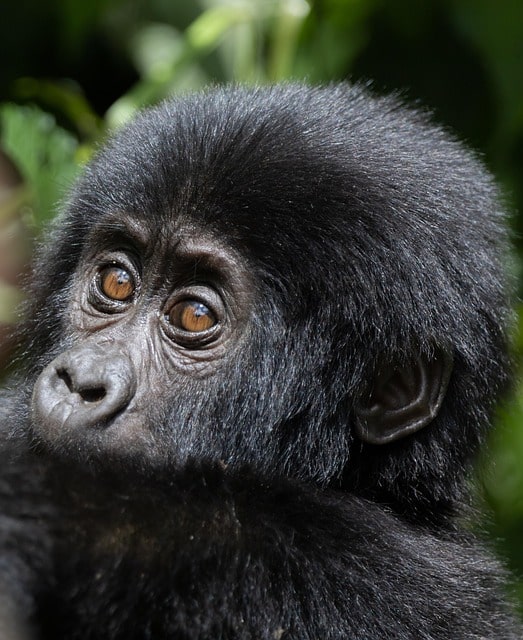 Bwindi gorillas thrive in dense rainforests with strength and stability, while Mgahinga gorillas exhibit agility and climbing skills on rugged volcanic slopes, highlighting the striking contrasts in behavior and adaptation between Bwindi compared to the Mgahinga.
Bwindi and Mgahinga Gorilla Size Differences
Bwindi gorillas typically weigh between 140–180 kg for adult males and 90–110 kg for females, benefiting from abundant fruits, wild bananas, and tender shoots that support larger body mass. Mgahinga gorillas, navigating steep volcanic ridges and seasonal bamboo thickets, often weigh slightly less—males around 130–170 kg, females 85–105 kg—reflecting their leaner musculature adapted for climbing and traversing rugged terrain.
Mgahinga versus Bwindwi Strength & Speed
Both populations exhibit immense strength, capable of breaking thick bamboo stalks or pushing through dense vegetation. Bwindi gorillas rely on raw power for nest-building, foraging in thick undergrowth, and cooperative feeding, while Mgahinga gorillas display remarkable agility, swiftly leaping across bamboo clusters and rocky slopes, their movements finely tuned to the mountain environment.
Climbing Behavior of Bwindi vs Mgahinga
Bwindi gorillas climb less frequently, often feeding and nesting at ground level where dense vegetation supplies leaves, fruits, and shoots within easy reach. In contrast, Mgahinga gorillas scale bamboo groves, volcanic ridges, and scattered trees regularly, demonstrating advanced climbing skills to access seasonal herbs, bamboo shoots, and elevated vantage points for foraging and social interactions—highlighting a dramatic behavioral difference between Bwindi vs Mgahinga.
Population Numbers: How Many Gorillas Live in Each Park?
Bwindi vs Mgahinga gorillas differ sharply in population size: Bwindi sustains large, thriving families, while Mgahinga maintains smaller, stable groups adapted to rugged terrain.
Popularity and Uganda Gorilla Trekker Experience Differences
Bwindi and Mgahinga provide unique experiences for observing endangered gorillas, with Bwindi offering dense rainforest intimacy and Mgahinga delivering open, exclusive volcanic encounters.
Bwindi as a Trekking Destination
Bwindi Impenetrable National Park is Uganda’s premier gorilla trekking destination, attracting the majority of visitors seeking habituated Uganda gorilla families. The park offers multiple trailheads and numerous permits, enabling Bwindi gorilla trekkers to access dense, misty jungle paths that wind through towering trees, thick undergrowth, and vibrant vegetation, making each encounter a fully immersive rainforest experience.
Mgahinga as a Trekking Destination
Mgahinga National Park offers a more secluded trekking experience along the Virunga volcano slopes, where fewer gorilla families are habituated and permits are limited. Trekkers navigate open, scenic volcanic terrain interspersed with bamboo groves, enjoying panoramic views and an exclusive connection to gorillas in a less trafficked environment.
What Visitors Notice
In Mgahinga, visibility is often higher due to open terrain and sparser vegetation, allowing trekkers to observe gorillas from a distance with clear line-of-sight. Bwindi offers closer encounters amid dense foliage, where gorillas move through thick rainforest, creating an intimate but more concealed viewing experience.
Communication, Respect, and Etiquette Around Each Uganda Gorilla Group
Treating Uganda’s gorillas with care, giving silverbacks authority and infants space, ensures ethical, safe, and unforgettable wildlife encounters.
How to Show Respect to Bwindi Gorillas
When encountering Bwindi gorillas, move slowly and keep a low profile through dense rainforest paths, allowing silverbacks to monitor the group naturally. Avoid eye contact with infants, let them remain with their mothers, and follow ranger guidance closely, especially in narrow trails. Speaking softly and minimizing sudden gestures preserves the gorillas’ daily routines, social interactions, and the safety of all family members.
How to Respect Mgahinga Gorillas
Respecting Mgahinga gorillas means holding steady on steep volcanic slopes while keeping a safe distance from dominant silverbacks and young. Allow mothers to care for infants without interference, and observe quietly from afar. Listening to their vocalizations and giving each family space ensures minimal disruption to these smaller, highly mobile gorilla groups.
Communication Differences Observed
Bwindi gorillas rely on chest beats and subtle gestures for territory and hierarchy, with silverbacks often signaling when infants are approached. Mgahinga gorillas use frequent group calls during movement, coordinating activity while maintaining vigilance over their young. These communication styles reflect the social structure and environmental pressures unique to each habitat.
“Who Would Win in a Fight – Bwindi or Mgahinga?” — A Realistic Breakdown
Bwindi gorillas, with adult males weighing up to 220 kilograms and dense musculature from ground-foraging and nest-building, possess raw strength. Mgahinga gorillas, though lighter at around 180–200 kilograms, are exceptionally agile, navigating steep volcanic slopes and bamboo groves with rapid, precise movements.
Hypothetical Fight Dynamics of Bwindi vs Mgahinga
If a confrontation occurred hypothetically, Bwindi gorillas could rely on sheer power, chest-beating dominance, and pushing through dense vegetation. Mgahinga gorillas would counter with agility, quick evasive maneuvers, and strategic use of terrain to maintain distance or gain leverage.
Reality Check on a Mgahinga vs Bwindi Fight
No natural rivalry exists between the populations; mountain gorillas are peaceful outside family disputes. Even in a hypothetical clash, outcomes would depend on individual size, experience, and terrain rather than species superiority. However, Bwindi would most likely win in the battle.
Final Comparison Table — Bwindi Gorillas vs. Mgahinga Gorillas
Side-by-Side Summary
| Feature | Bwindi Gorillas | Mgahinga Gorillas |
|---|---|---|
| Habitat | Dense rainforest with multi-layered canopy and constant food supply, promoting localized movement | Open volcanic slopes with bamboo forests and scattered vegetation, requiring daily long-distance travel |
| Diet | Wide variety: wild bananas, papaya, forest figs, giant lobelia, wild coffee berries, bamboo shoots | Bamboo shoots (Arundinaria alpina), wild celery, stinging nettles, giant heather leaves, seasonal fruits, insect larvae |
| Size | Heavier males (~220 kg) with more robust build for forest navigation and nest-building | Leaner males (~180–200 kg) optimized for climbing steep volcanic terrain and quick agility |
| Strength | Exceptional raw strength from pushing vegetation and building nests | Agile strength focused on climbing, balance, and rapid movement across slopes |
| Agility | Moderate mobility; moves slowly through dense vegetation | Highly agile; traverses steep slopes and bamboo groves with precision and speed |
| Group Size | Large families, 20–25 gorillas, often with multiple silverbacks | Smaller families, 7–15 gorillas, typically led by a single dominant silverback |
| Population | Largest concentration of mountain gorillas, multiple habituated families, consistently stable | Smaller population, occasional cross-border movement with Rwanda & DRC, improving due to conservation |
| Trekking Difficulty | Challenging rainforest trails through thick undergrowth, slower pace | Physically demanding volcanic trails, longer distances, often more isolated |
| Trekking Style | Close-range, immersive rainforest experience | Open terrain, panoramic views, more distant sightings, exclusive experience |
Amahoro Tours Offers Sustainable Gorilla Tours in Uganda
4 Day Bwindi Gorillas – A Trekking in the Mist
This 4 day ethical gorilla expeditions Bwindi offers the best Uganda gorilla trekking experience, where every step brings you closer to the mysteries of Africa’s mountain giants. Over the course of the journey, you’ll trace the forest paths that lead to one of the world’s most remarkable wildlife encounters—standing just meters from a gorilla family as they move through the cool morning haze. The adventure blends breathtaking wilderness, meaningful cultural moments with the Batwa, and seamless travel between Uganda’s pristine landscapes. Guided by Amahoro Tours, this trip delivers a powerful connection to nature, culture, and conservation that stays with you long after you return home.
4 Day Bwindi Gorilla – Cultural Tour – Batwa People
This four day Bwindi gorilla tracking adventure blends the energy of Kigali with the untamed beauty of Uganda’s rainforest, creating an experience that feels both immersive and awe-inspiring. Beginning in Rwanda’s capital and continuing deep into Bwindi National Park, the journey gives you the rare chance to observe Bwindi gorillas in a setting untouched by time. Along the way, you’ll meet the Batwa community, travel through stunning highland scenery, and explore a region where culture and wildlife naturally intertwine. With Amahoro Tours guiding every moment, this trip offers a powerful connection to nature and the remarkable gorillas that make Bwindi one of Africa’s most treasured destinations.
4 Day Gorillas of Bwindi and Golden Monkey Experience
This 4 days gorilla and golden monkeys tracking in Uganda blends two of East Africa’s most remarkable primate experiences—meeting Bwindi gorillas in their forest home and tracking playful golden monkeys in the Virunga region. Starting in Kigali and traveling through volcanic landscapes and dense rainforests, this journey brings you close to wildlife found nowhere else on earth. The chance to observe Bwindi gorillas in their misty habitat, followed by the energetic charm of golden monkeys leaping through bamboo, creates a powerful combination of calm wonder and pure excitement. Tours being guided by our expert tour guides at Amahoro Tours, each moment connects you to the culture, communities and conservation, and ecosystems that make this cross-border experience unforgettable.
5 Day Mgahinga Gorilla Tour in Uganda
This 5 day gorilla trek Uganda leads you into a dramatic mountain ecosystem where the Mgahinga gorillas, golden monkeys, and the traditions of the Batwa shape every moment of the journey. Beginning in Kigali and crossing into Uganda’s volcanic terrain, you’ll climb through misty bamboo corridors, follow trackers toward the region’s only habituated gorilla family, and watch the forest come alive with rare primates unique to the Virunga mountain range. Time with the Batwa adds meaningful depth, revealing the stories and skills of people who once lived fully within these slopes. With each day unfolding across steep ridges and wildlife-rich valleys, this trip offers an experience defined by raw beauty, cultural insight, and unforgettable encounters found only in Mgahinga National Park.
6 Day Bwindi Mountain Gorilla and ENP Safari Tour
This six day gorilla safari tour journey blends two of the country’s most remarkable experiences—meeting Bwindi gorillas deep in the rainforest and exploring the wildlife-rich plains of Queen Elizabeth National Park. The trip takes you from Rwanda’s vibrant capital to Uganda’s highland forests, where Bwindi gorillas move through thick foliage and trackers lead you into one of Africa’s most biodiverse ecosystems. After this unforgettable encounter, the adventure shifts to wide-open savannahs, where elephants, lions, hippos, rhinos and countless bird species define each day on game drives and along the Kazinga Channel. The combination of mountain scenery, cultural encounters, and classic safari moments creates a powerful mix of discovery and excitement, giving you a sweeping look at the very best of Uganda’s landscapes and wildlife.
9 day Ultimate Gorillas, Safari and Chimpanzee Tour
This 9 day Uganda safari tour brings together the country’s most exciting primate encounters, taking you from Bwindi’s mountain gorillas to energetic Kibale chimpanzees and onward to the beauty of the Queen Elizabeth National Park. Each stop adds a different layer of discovery: dense forests alive with primates, wide savannahs dotted with elephants and big cats, and community experiences that reveal the human stories woven into these landscapes. Long forest treks, lively chimp calls echoing through the canopy, peaceful boat moments on the Kazinga Channel, and classic safari scenes all blend into one powerful journey. If you’ve been searching for a trip that delivers true connection with Uganda’s wild places while offering nonstop excitement from the first day to the last, this itinerary delivers an unforgettable mix of nature, culture, and adventure with Amahoro Tours leading the way.
10 Day Uganda Gorilla and Akagera National Park Trip
Experience the ultimate adventure on a 10 Uganda primate and safari tour, where untamed wilderness, rare wildlife, and vibrant culture converge. From tracking majestic mountain gorillas in Bwindi Impenetrable Forest to encountering playful chimpanzees in Kibale, and exploring Queen Elizabeth National Park’s savannahs and Kazinga Channel, each day brings new thrills. Immerse yourself in local traditions, visit indigenous communities, and witness breathtaking landscapes—from volcanic peaks to serene lakes—while capturing moments that will last a lifetime. This journey is designed for explorers seeking unforgettable encounters, wild beauty, and deep connections with Uganda’s extraordinary natural and cultural treasures.
Conservation-Centered Trekking Approach
A conservation-centered trekking approach ensures every gorilla encounter supports both wildlife and local communities. Trekkers move respectfully through forests or volcanic slopes, minimizing disturbance to gorilla families while learning about their behaviors, habitats, and the critical role conservation plays in their survival. Guided by expert rangers, every step prioritizes safety, ethical observation, and habitat preservation, turning each trek into a meaningful contribution to protecting these endangered primates for generations to come.
Come Visit the Mgahinga and Bwindi Gorillas Today
Witnessing Uganda’s gorillas firsthand is an experience that stays with you long after the trek ends, whether it’s the calm, powerful presence of Bwindi families or the nimble, spirited movements of Mgahinga groups. Each encounter offers a rare window into their intelligence, social bonds, and the ecosystems that sustain them. Don’t just read about these remarkable primates—experience the wonder for yourself. Book a guided tour with Amahoro Tours and step into the heart of Uganda’s forests and volcanic slopes for a journey you’ll never forget.
See What Our Guests Are Saying