
Exploring Rwanda Elephants: Behavior, Migration, Family Bonds & Where to See Them
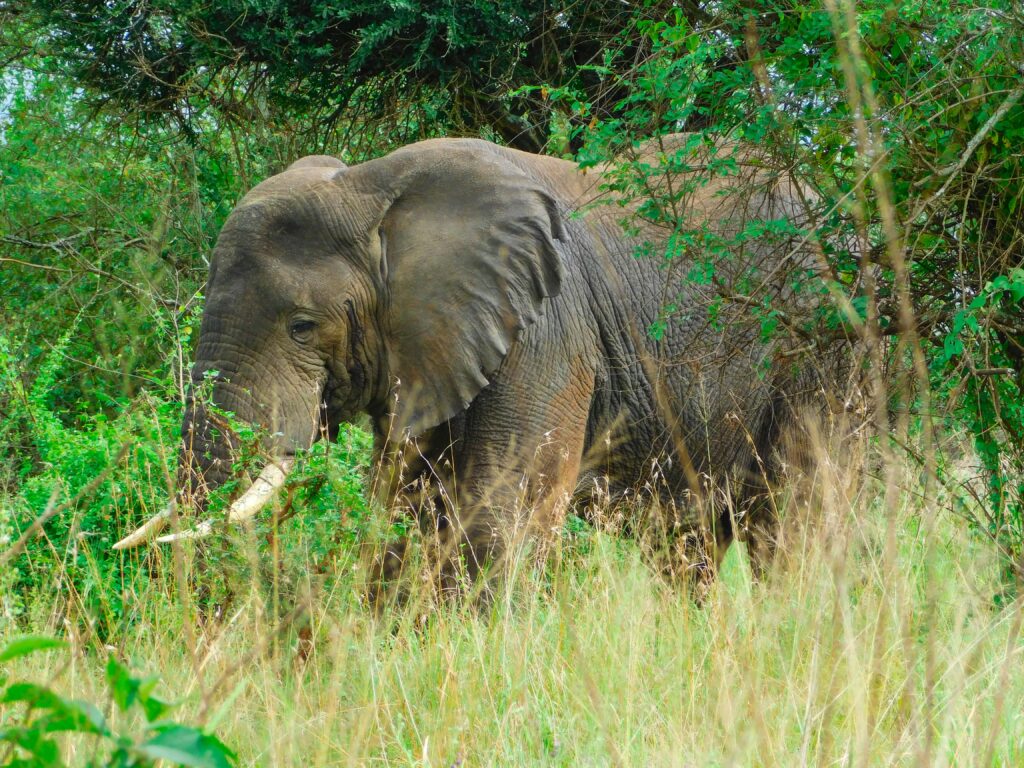
If you’re seeking a safari experience that goes beyond the ordinary, Rwanda’s elephants promise encounters filled with awe, intelligence, and unforgettable moments. Roaming the sweeping savannas, lush wetlands, and scattered woodlands of ANP, these majestic pachyderms display intricate social bonds, matriarch-led wisdom, and playful calf interactions that reveal just how extraordinary they are. Unlike other East African populations, Rwanda’s elephants have adapted to a unique landscape, moving strategically, foraging efficiently, and thriving alongside the Rwanda’s Big Five. With Amahoro Tours, your journey becomes more than wildlife watching—it’s a chance to witness these magnificent giants up close, understand their world, and leave with memories that linger long after the safari ends.
Different Types of Elephants in Rwanda – Pachyderms in East Africa
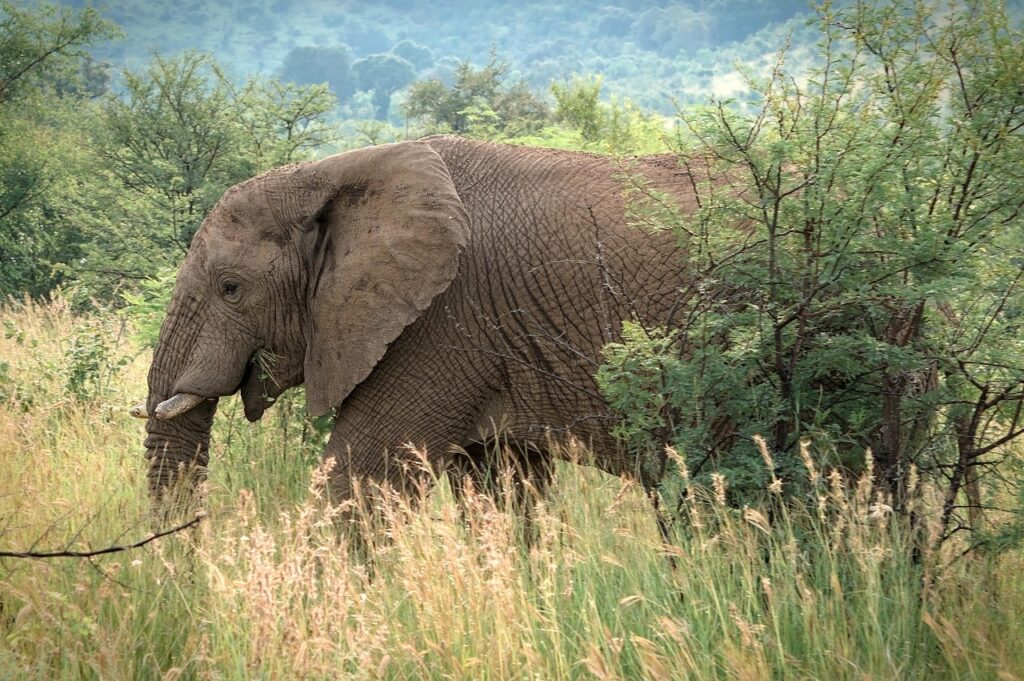
Rwanda’s elephants are primarily African savannah elephants, but their isolated populations within Akagera National Park exhibit distinctive characteristics shaped by the local ecosystem. Though they share genetic lineage with East African pachyderms found in Kenya and Tanzania, Rwanda’s elephants live in tighter, terrain-influenced herds due to the park’s mixture of savanna, woodlands, wetlands, and hills. This creates fascinating behavioral nuances—especially in movement patterns, herd leadership, and habitat use—that make observing Rwandan elephants exceptionally rewarding for wildlife enthusiasts.
African Savannah Elephants in Rwanda
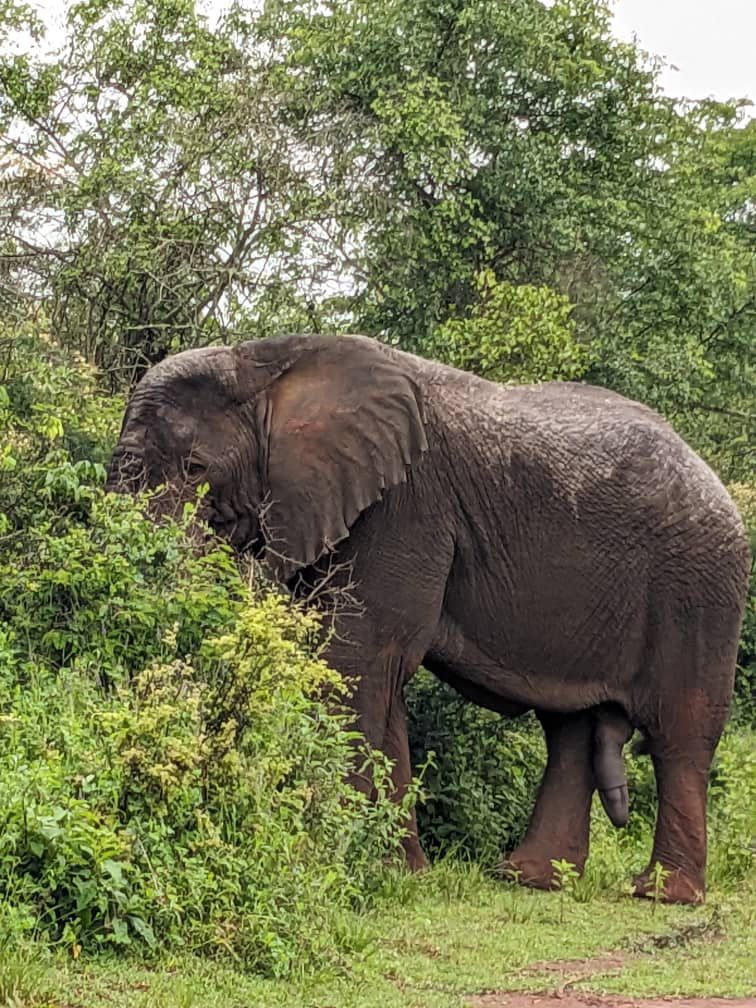
The typical Rwandan savannah elephant can reach shoulder heights of up to 3 meters, weigh between 4 and 7 tons, and display massive, sweeping tusks ideal for stripping tree bark. Their noticeable color variation often reflects the rich soil of Akagera, which stains their skin deep ochre as they dust themselves throughout the day. With life expectancies commonly reaching 55–65 years, these elephants demonstrate long-standing social structures, multigenerational matriarchal leadership, and strong calf protection instincts. Compared to elephants in open plains like Botswana or Tanzania, Rwanda’s herds move more strategically through denser bush, showcasing impressive navigation skills adapted to a more compact habitat.
Unique Adaptations to Rwanda’s Landscape
Akagera’s elephants don’t simply survive—they thrive through specialized behaviors that reflect their environment. Dense wooded areas influence slower, more strategic herd movement, while sweeping savanna patches allow bursts of grazing and foraging efficiency. Their hydration and cooling routines revolve around Akagera’s expansive network of lakes and marshes, where they rely heavily on water to regulate temperature and stay hydrated during hot afternoons. Observing their daily rhythm reveals a layered feeding pattern—browsing tree bark and leaves in highlands during the mornings, grazing on grasses in open savannas, then retreating toward wetlands for evening hydration. These adaptations make Rwanda’s elephants some of the most intriguing pachyderms in East Africa.
Elephant Size, Speed, and Strength
These elephants evolve from curious calves into powerful matriarchs with bark-hardened tusks, navigating Akagera’s diverse terrain with everything from relaxed walks to rapid defensive charges, driven by deep memory, coordination, and exceptional survival instincts.
Physical Characteristics
Elephants in Rwanda showcase powerful physiques built for navigating Akagera’s varied terrain—towering between 2.7 and 3.2 meters at the shoulder and often weighing 5,000 to 6,500 kilograms. Their tusks tend to grow thick and slightly curved, a direct result of frequent stripping of bark from acacia and fig trees. Young calves start with soft, barely visible tusks and rounded features, gradually gaining mass and muscle tone as they transition through adolescence. It’s especially fascinating to observe the matriarchs whose tusks display decades of use, shaped by digging for minerals, opening waterholes and clearing vegetation for their herds.
Development Stages – From Calf to Matriarch
Rwandan elephant calves begin their explorations within tight protective circles formed by older females, learning through constant imitation rather than separation. Juveniles remain playful and clumsy, often swinging trunks in experimentation as they learn how to feed on reeds and shrubs around Akagera’s lakes. As females mature, they develop leadership traits—long-term memory, decision-making under pressure, and herd coordination during dry seasons. A full-grown matriarch in Rwanda is more than a leader; she’s the living encyclopedia of water sources, safe feeding corridors and seasonal routes essential to herd survival within the national park.
Speed & Movement Patterns
Elephants in Akagera generally navigate the savanna at a relaxed pace of 4–6 km/h, scanning for food and communally communicating with low-frequency rumbles. When disturbances occur—such as unexpected predator presence (Akagera lion) or a defensive moment involving calves—they shift into a brisk trot reaching 15–18 km/h, still maintaining impressive footing even along uneven wetlands. True charges are rare but can erupt if a herd feels directly threatened. In those moments, Rwandan elephants display explosive power, reaching speeds up to 35–40 km/h, their ears extended and trunks lifted, a reminder of their unmatched strength and strategic defensive instincts shaped by years of survival in Akagera’s dynamic environment.
Elephant Family Structure in Rwanda
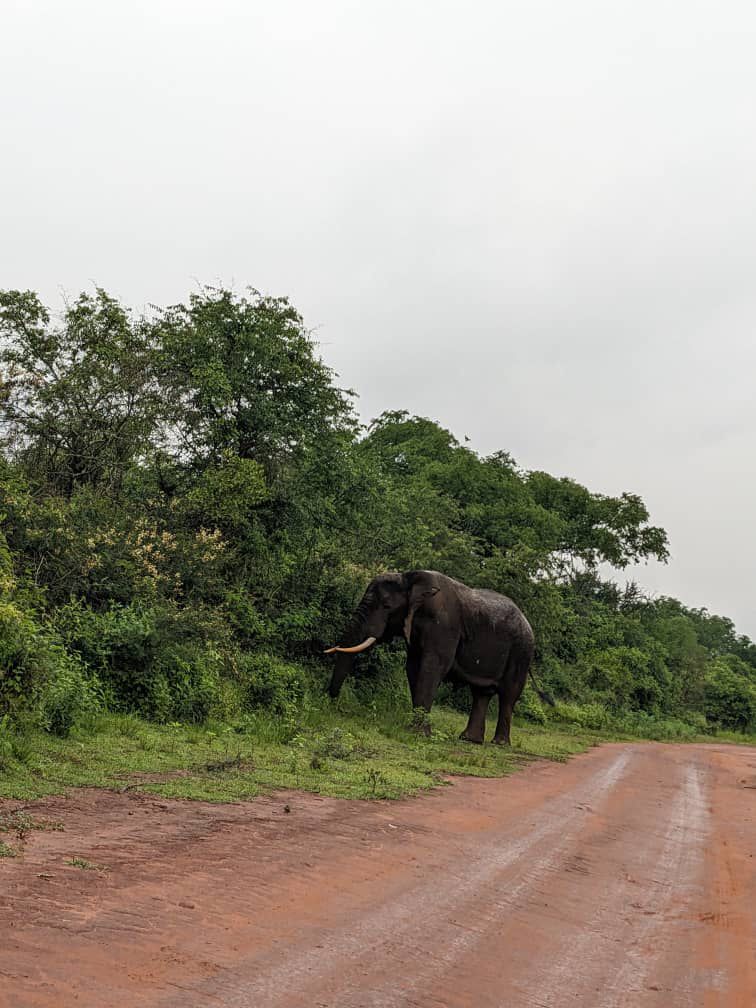 In Akagera, elephant herds thrive under matriarchal guidance, communicating with rumbles and touch while collectively raising calves through patient teaching and protective care.
Role of the Matriarch
In Rwanda’s Akagera National Park, the matriarch serves as the decision-maker, using decades of memory to guide her herd through fluctuating water sources, clustered woodlands, and open savanna corridors. She decides when to rest, when to feed, and how to avoid risk, especially during the dry season when shifting between wetlands and grazing grounds becomes critical.
Communication & Social Bonds
Rwandan elephants communicate constantly using low-frequency rumbles that travel through the park’s soil, maintaining contact even when herds spread out between grasslands and papyrus marshes. Tactile bonding is equally vital—trunk touches, head nudges, and gentle ear brushes reinforce unity, calm nervous juveniles, and maintain harmony during long feeding sessions.
Calves and Parenting Behavior
Elephant calves in Akagera are raised collectively, nursing frequently and staying shielded within protective rings of females during movement. Parenting here involves hands-on teaching—calves learn where to drink, how to strip bark, and when to stay still by mimicking older elephants who guide them through daily routines with remarkable patience and care.
Intelligence, Emotions, and Memory
Elephants display profound emotional intelligence through mourning and play, navigate landscapes with precise long-distance memory, and solve complex problems using tusks and trunks with remarkable ingenuity.
Emotional Depth
Elephants in Akagera National Park display remarkable emotional intelligence, especially when experiencing loss; herds have been documented pausing over the bones of deceased members, gently touching them with their trunks in what appears to be a mourning ritual. Their emotional depth also shines in playful interactions, with younger elephants splashing in lake shallows, mock-wrestling with trunks, and nudging older siblings during foraging breaks, demonstrating a joyful and curious side that balances their serious social responsibilities.
Long-Distance Memory
The long-distance memory of Rwandan elephants is astonishing, particularly when it comes to critical resources. Matriarchs remember hidden water sources that are essential during late dry-season conditions, guiding their herds with absolute precision from acacia woodlands to reed-fringed marshes. They also retain generational knowledge of safe migration routes, avoiding steep hillsides or lion-prone clearings, a skill that keeps calves protected and the herd functioning smoothly during seasonal movements.
Tool Use & Problem Solving
Elephants in Rwanda frequently demonstrate impressive problem-solving abilities, especially when accessing scarce resources. They use tusks and trunks like tools—breaking branches to reach tender leaves, stripping bark to release moisture-rich layers, or digging into dry riverbeds to expose groundwater. When confronted with closed pathways, herds have been observed pushing over shrubs or maneuvering around thorny thickets, revealing not just raw strength but deliberate planning and strategic thinking shaped by life in Akagera’s diverse ecosystem.
Rwandan Elephant Migration Patterns
Elephants navigate seasonal migrations from highlands to lowlands, balancing feeding, breeding, and hydration while relying on matriarch-led memory for long-range travel and social cohesion.
Seasonal Movements
Rwandan elephants follow carefully timed seasonal movements, shifting from highland woodlands during the rainy seasons (March–May and October–December) to lowland savannas and river valleys in the dry months (June–September and January–February). These transitions allow herds to access fresh grasses, shrubs, and shaded resting areas while avoiding heat stress and maintaining safety from predators. Matriarchs lead these journeys, drawing on decades of knowledge to navigate hills, wetlands, and forested corridors, ensuring the herd remains cohesive and calves are protected throughout the seasonal changes.
Why Elephants Migrate & Feeding vs. Breeding Migrations
Elephants in Rwanda migrate primarily to meet nutritional and reproductive needs, balancing the search for lush forage with breeding opportunities. Feeding migrations occur during the rainy seasons when grasses and shrubs flourish, while breeding migrations often concentrate herds near permanent lakes and rivers during the drier months to maintain hydration and facilitate social interaction. These movements allow females and calves to remain healthy, while males may venture independently to establish new territories, demonstrating a sophisticated, ecosystem-driven migration strategy unique to Rwanda’s landscapes.
Water Source Behavior, Seasonal Watering Locations, Social Clustering, and Long-Range Travel
Water is central to Rwandan elephant behavior, with herds visiting lakes, rivers, and marshes such as Lake Ihema and the Nyabarongo River multiple times daily or seasonally. During the dry months of June–September and January–February, elephants rely heavily on these permanent watering points, clustering socially to teach calves critical survival skills, bond through trunk touches and rumbles, and rest safely. While daily movements average 5–10 kilometers for foraging and hydration, seasonal treks during extreme dry periods can extend up to 40 kilometers, guided by the matriarch’s memory of reliable water sources, safe corridors, and nutritious feeding grounds, ensuring herd survival across Rwanda’s diverse terrain.
Birthing Cycles and Rwanda Elephant Family Growth
Rwandan elephants experience one of the longest gestation periods in the animal kingdom, lasting nearly 22 months, during which the entire herd anticipates the arrival of a calf while preparing safe, shaded, and well-vegetated birthing areas in lowland savannas or near permanent riverbanks.
Gestation and Care
From the moment of birth, calves form deep bonds with their mothers and the wider herd, learning essential survival skills such as locating water, stripping bark, and recognizing predator threats, while older females provide constant supervision and gentle guidance to ensure the young elephant’s health and confidence within the complex social structure.
Protective Herd Behavior
Rwandan elephant herds exhibit extraordinary protective behavior when a newborn is threatened, forming tight defensive circles, vocalizing through low-frequency rumbles, and positioning adults strategically to deter predators, while population studies in 2025 indicate gradual growth due to conservation efforts, increased anti-poaching patrols, and careful monitoring of herd dynamics across national parks such as Akagera.
Where to See Elephants in Rwanda – Elephant Tour In Rwanda
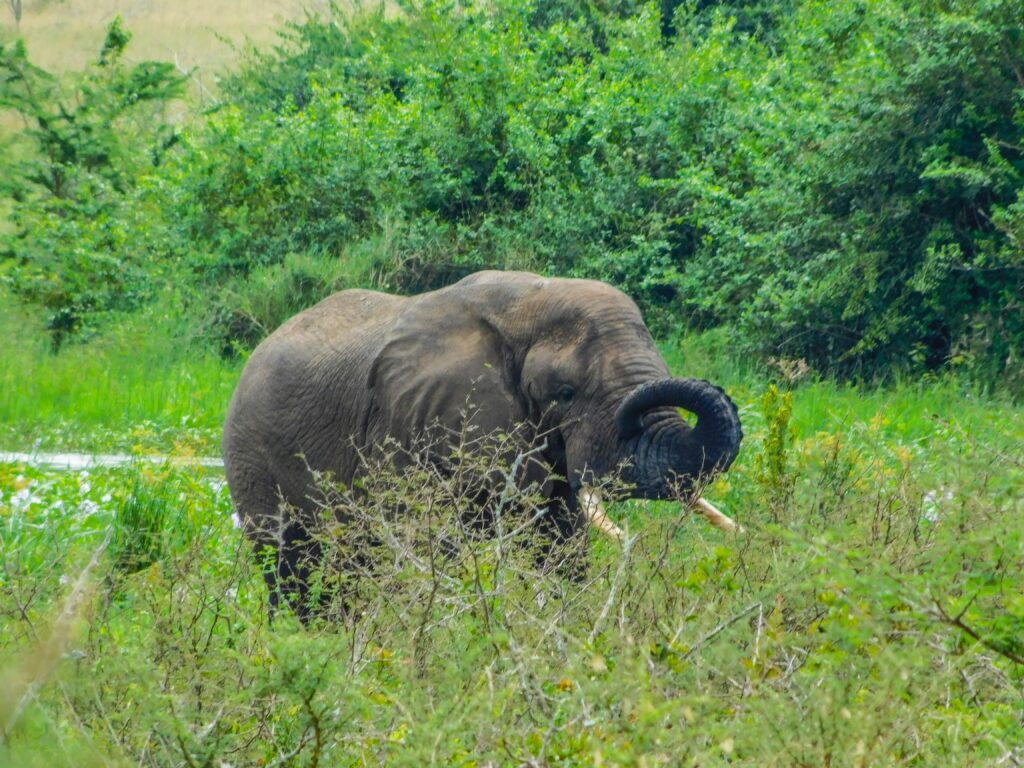
For an authentic elephant-focused experience in Rwanda, specialized Rwanda tours track herds exclusively, offering intimate encounters with these gentle giants while prioritizing ethical observation and minimal disturbance. Whether its a one day gorilla trek in Rwanda, a chimpanzee trekking in Nyungwe or an Akagera Game Drive, you can trust in Amahoro Tours to create an incredible experience for you! Learn where to see elephants in Rwanda now.
Large Savannah Ecosystems
Rwandan elephants predominantly roam the wide-open savanna landscapes of Akagera National Park, particularly in the north and east sectors, where tall grasses, scattered acacia trees, and gentle hills create optimal grazing zones and space for large herds to move freely.
Water Gathering Zones
During the dry months of June–September and January–February, elephants consistently gather at permanent water bodies such as Lake Ihema, papyrus-lined marshes along the Nyabarongo River, and hidden seasonal ponds, where they drink, bathe, and socialize under the watchful guidance of matriarchs.
Remote Grassland Observational Spots
Secluded grasslands and riverine corridors in northern Akagera, often far from roads and tourist clusters, provide the best opportunities for observing elephants in natural behaviors, including mud wallowing, trunk-foraging, and social interactions among calves, juveniles, and matriarchs.
Best Time of Year to See Elephants
The best time to see elephants in Rwanda is during the dry season, when herds gather at permanent water sources, providing exceptional visibility for observation and photography. During the wet months, elephants disperse widely following abundant forage, while breeding activity increases, offering insight into reproductive behaviors but reducing close-range sightings. Compared with other wildlife, elephants remain relatively predictable year-round, yet dry-season conditions maximize viewing opportunities, enabling tourists to witness social interactions, feeding strategies, and matriarch-led movements without interference from dense vegetation or seasonal flooding.
How Rwandan Elephants Differ from Other African Elephant Populations
Rwandan elephants display calmer temperaments and cohesive seasonal movements, guided by matriarchs across savannas, wetlands, and woodlands. Slightly smaller than East African elephants, they coexist with other Big Five species in Rwanda, navigating dense forests and open plains while thriving in Rwanda’s diverse ecosystems.
Protecting Rwanda’s Elephants & Conservation
Elephants face habitat loss and human conflict, yet conservation efforts, community stewardship, and responsible tourism actively support herd protection and long-term research.
Threats Elephants Face
Elephants in Rwanda face increasing habitat pressure as farmland and infrastructure expand, forcing herds into fragmented savannas and wetlands. Human-elephant conflict remains a serious challenge, with crop-raiding and accidental encounters leading to tension, while historic population declines from poaching continue to influence herd dynamics and genetic diversity.
Conservation Initiatives
Local community stewardship programs empower residents to protect elephants, combining education with economic incentives, while ongoing wildlife monitoring and GPS tracking help park authorities safeguard herds and understand movement patterns. From mountain gorilla conservation to elephants conservation efforts, Amahoro Tours is here to help promote sustainable initiatives!
How Travelers Help
Sustainable tourism allows visitors to directly support elephant conservation, funding long-term studies and research that track population health, reproduction, and social behaviors. Expert-guided tours educate travelers on elephant communication, family structures, and feeding habits, while small-group viewing minimizes stress, giving elephants space to act naturally and ensuring responsible, respectful wildlife encounters.
Why Amahoro Tours is the Best Choice for Elephant-Focused Rwanda Safari Experiences
 Amahoro Tours sets the gold standard for Rwanda safaris, offering exhilarating elephant experiences alongside unforgettable encounters with gorillas, chimpanzees, and other remarkable wildlife. Their conservation-focused approach lets you observe elephants up close while learning about their intelligence, social bonds, and raw power. You’ll also feel the rush of tracking mountain gorillas, watching playful golden monkeys, spotting soaring raptors, and witnessing hippos cooling in shimmering lakes. With expert ecological interpretation and customized slow-travel itineraries, Amahoro Tours makes every moment thrilling, educational, and deeply meaningful—perfect for travelers who want excitement wrapped in genuine wildlife immersion. From luxury Rwanda tours, to Senior Rwanda tours and more, we create a customized tour – made just for you!
3 Day Elephant Safari Tour
This 3 day Akagera safari park tour delivers thrilling wildlife encounters, including seeing iconic Rwandan elephants roaming wide savannas beneath dramatic valley scenery. Spot hippos, crocodiles, giraffes, zebras, lions, and rare birds while exploring lakes, grasslands, and vibrant marshlands on day and night drives. Guided boat tours, scenic game viewing, and relaxing lodge evenings create a balanced adventure filled with extraordinary photo moments and authentic connection to Rwanda’s wilderness.
6 Day Gorilla and Safari Tour with Elephants
Get ready for an electrifying 6 day safari and gorilla tour wildlife journey that places elephants in Rwanda, mountain gorillas, and the thrill of adventure at the center of your experience. This exciting safari and gorilla trekking itinerary sweeps you into two extraordinary worlds—Akagera National Park’s savannah landscapes and the remarkable Virunga Mountains. You’ll witness Rwandan elephants roaming wild plains, observe the Big Five, cruise calm waters full of hippos and Nile crocodiles, and share meaningful moments with the elusive mountain gorillas. Every step of this journey blends thrill, culture, and unforgettable memories, making this far more than a getaway—it’s an energizing encounter with the very heart of Rwanda.
10 Day Rwanda Elephant Safari, Gorilla Tour and Chimpanzee Trekking
Step into the best 10 day Rwanda itinerary with of pure Rwandan excitement where gorilla trekking, chimpanzee tracking, and incredible safari moments blend into the perfect adventure. This unforgettable tour with Amahoro Tours guides you through Akagera National Park’s Big Five territory, connects you with playful chimpanzees in Nyungwe, and brings you face-to-face with mountain gorillas in the Virungas. Along the way, you’ll witness breathtaking landscapes, engage with beautiful elements of Rwandan culture, enjoy serene Lake Kivu, and take part in meaningful local encounters. It’s a balanced mix of wilderness, exploration, and authenticity—designed for travelers who crave adventure and appreciate the best of Rwanda in one seamless journey.
11 Day Rwanda Safari with Elephants, Gorilla Trekking, Chimpanzees and Cultural Tour
This 11 day Rwanda tour journey blends gorilla trekking, golden monkey encounters, and cultural immersion with exhilarating Akagera safaris that reveal powerful elephants and clever lions. Each day brings dramatic scenery, rare wildlife interactions, and captivating primates that energize your spirit. With Amahoro Tours guiding you, this tour creates deep emotional connections, unforgettable elephant sightings, and cherished moments in nature.
After Safari Cultural Activities with Red Rock Rwanda
After a safari, Red Rock Rwanda offers immersive cultural activities where visitors can experience traditional basket weaving, Mukungwa riverside tours, banana beer brewing, Rugarika hiking and local storytelling. Guests may join women artisans crafting intricate baskets, learn age-old brewing techniques for banana beer, or participate in drumming and dance sessions celebrating Rwandan heritage. Village visits allow travelers to meet farmers, observe daily routines, and engage in hands-on experiences, gaining a deeper understanding of community life. These activities combine education, interaction, and entertainment, creating meaningful connections that complement wildlife adventures and support local livelihoods sustainably.
Book Your Elephant Safari Tour In Rwanda Now
Booking a safari in Rwanda offers an extraordinary chance to witness elephants in their natural habitat, moving gracefully across Akagera’s savannas, wetlands, and woodlands. You’ll see matriarchs guiding tight-knit herds, calves playing beside protective adults, and bulls navigating the landscape with impressive power, all while observing their remarkable intelligence and social bonds. These elephant encounters are complemented by sightings of gorillas, chimpanzees, and other iconic wildlife, making each day on safari an exhilarating adventure. Amahoro Tours provides expert-guided, ethical wildlife experiences, ensuring you get the most intimate, unforgettable encounters possible, so now is the perfect time to book your safari and see these magnificent giants up close. Book your tour with Amahoro Tours now!
See What Our Guests Are Saying