
Gorilla Trekking with Kids in Rwanda: Ultimate Rwanda Family Safari Guide
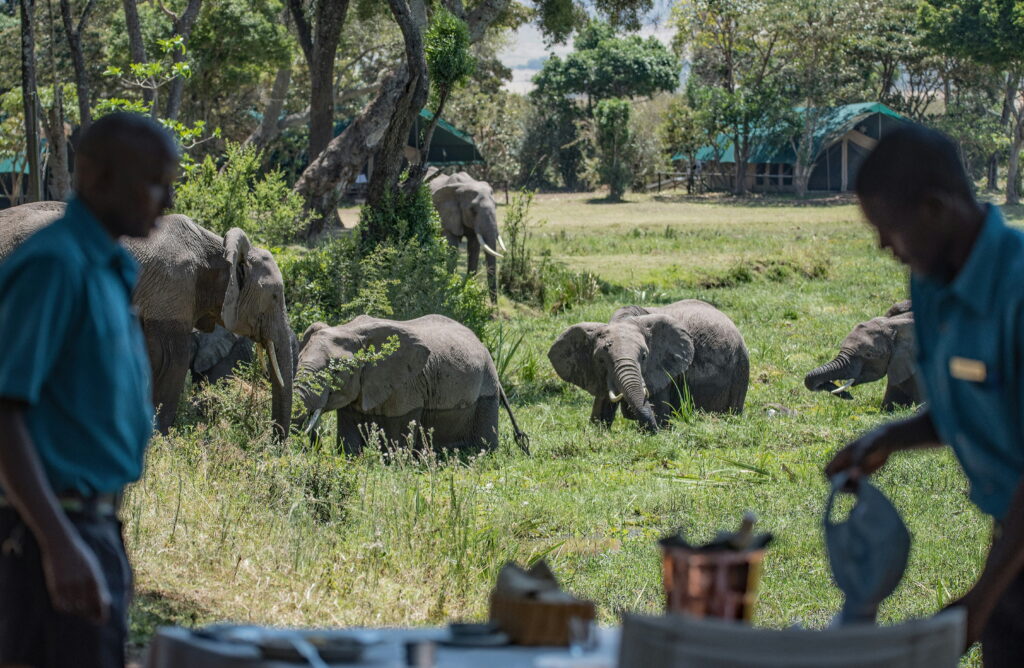
Planning a Rwanda family safari and wondering if gorilla trekking with kids can truly work? You’re not alone — and the answer may surprise you. Rwanda is quickly becoming one of Africa’s most exciting destinations for families, combining mountain gorillas, wildlife safaris, rainforest adventures, cultural experiences, and hands-on learning opportunities into one unforgettable journey for parents, teenagers, and younger travelers alike. Before building your itinerary, understanding age requirements, activity levels, and family-friendly planning options can make all the difference, helping you create a smoother, more rewarding adventure where every member of your family feels included, prepared, and inspired by the experience ahead. Learn more about a Rwanda safari with children now!
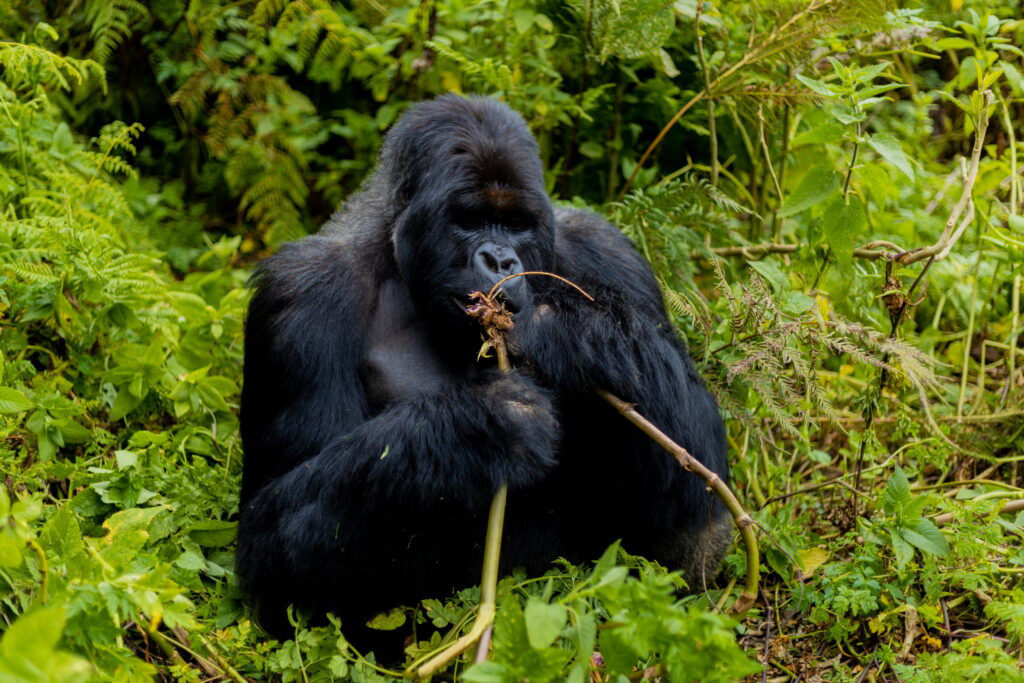
Can Children Go Gorilla Trekking in Rwanda?
Gorilla trekking in Rwanda is an extraordinary wildlife experience, but understanding age requirements, safety factors, and trek conditions is essential when planning a family adventure. With the right preparation, Rwanda offers an exciting journey filled with breathtaking landscapes, unforgettable wildlife encounters, and moments that can spark a lifelong connection to nature.
Understanding Rwanda Gorilla Trekking Minimum Age Rules
For gorilla trekking with kids Rwanda follows carefully enforced regulations designed to protect both travelers and Rwanda gorillas. One of the most important guidelines involves minimum age requirements for participation. These rules help ensure visitors are physically capable of handling the demands of the trek while maintaining responsible wildlife tourism standards throughout Rwanda’s protected forests.
Why Age Requirements Matter for Gorilla Encounters
Age limits are not simply administrative policies. A one day gorilla trek involves hiking through dense vegetation, uneven terrain, changing weather conditions, and potentially several hours of walking at higher elevations. Younger children may struggle with the physical demands or react unpredictably during close wildlife encounters, making age requirements essential for visitor safety and gorilla conservation.
- Expect Long Walks and Hiking Time – Gorilla trekking can involve 1 to 6 hours of hiking, depending on where the gorillas are located, with forest trails, hills, and uneven ground along the way.
- Prepare for Changing Weather Conditions – Rwanda’s Virunga mountain environment can shift quickly, bringing rain, mud, cooler temperatures, or sunshine throughout the day.
- Close Gorilla Encounters Require Patience and Calm – The gorilla viewing experience typically lasts about one hour, and children must be able to stay quiet, calm, and follow guide instructions.
- Adventure Travel Requires Energy and Stamina – Early mornings, active days, and extended time outdoors mean kids should be ready for a physically demanding but incredibly exciting wildlife experience.v
Safety, Terrain, and Conservation Challenges of Gorilla Trekking
The best Rwanda gorilla trekking tours with Amahoro Tours is far more than a casual nature walk. Trekkers navigate steep slopes, muddy trails, and remote forest environments that require stamina, patience, and awareness. Conservation also plays a major role, as mountain gorillas share many genetic similarities with humans and are vulnerable to illness. Strict trekking protocols help reduce health risks while preserving one of the world’s most remarkable wildlife experiences.
Preparing Travelers for an Active Rwanda Safari with Kids
Families planning a Rwanda adventure should understand that safari travel often includes early mornings, extended drives, outdoor activity, and physically engaging experiences. Preparing children for this style of travel can make a significant difference in enjoyment and comfort. Our Rwanda safari with kids focuses on building excitement around nature, wildlife, and active exploration helps young travelers adapt to the pace and energy of an African safari journey!
Setting Expectations for a Rewarding Family Experience
When families approach Rwanda travel with realistic expectations and thoughtful preparation, the experience becomes more enjoyable for everyone involved. Understanding activity levels, packing appropriately, and selecting age-appropriate adventures can help create a smoother, more rewarding safari tours experience while introducing children to Rwanda’s extraordinary landscapes and wildlife heritage.
Gorilla Trekking Age Limit in Rwanda: 15 Years and Older
To ensure both visitor safety and the protection of endangered mountain gorillas, Rwanda enforces a 15+ age requirement for gorilla tours participants. The rule reflects the reality of the experience, which includes challenging rainforest hikes, changing mountain conditions, and close wildlife encounters that demand maturity, focus, and physical readiness.
Why the Minimum Age for Gorilla Trekking is 15+
The minimum age requirement of 15+ for gorilla trekking in Rwanda is designed to balance adventure, safety, and conservation. Trekking to see mountain gorillas can involve challenging hikes through remote rainforest terrain, long hours outdoors, and close encounters that require calm behavior and careful attention to guide instructions. By setting an age limit, Rwanda helps ensure visitors are physically and emotionally prepared for the experience while protecting endangered gorillas through responsible Rwanda tourism standards.
The Physical Challenge of Trekking in Volcanoes National Park
The minimum gorilla trekking age of 15 and older reflects the demanding nature of the experience inside Rwanda’s Volcanoes National Park. Trekking routes often move through dense mountain forest, high-altitude terrain, and rugged natural landscapes that require endurance, coordination, and the ability to handle unpredictable outdoor conditions.
Long Hiking Hours and Rapidly Changing Mountain Conditions
A gorilla trek can last anywhere from one to several hours, depending on the location of the gorilla family being visited. Visitors may encounter steep inclines, muddy pathways, thick vegetation, and sudden shifts in weather, making physical readiness an important part of a successful trekking experience.
Understanding Gorilla Behavior and Respecting Safe Wildlife Encounters
Mountain gorillas are powerful wild animals, and observing them responsibly requires maturity, patience, and the ability to follow guide instructions carefully. Maintaining calm behavior, respecting viewing distances, and responding appropriately during close encounters are essential parts of keeping both visitors and gorillas safe.
Rwanda Development Board Rules That Protect Gorillas and Visitors
The Rwanda Development Board established the 15+ age requirement to support conservation goals, visitor safety, and responsible wildlife tourism practices. These regulations help reduce health risks to endangered gorillas while ensuring participants are prepared for the physical and behavioral expectations of this extraordinary rainforest experience.
Tips for Parents Bringing Teenagers Gorilla Trekking
Getting teenagers ready for gorilla trekking is all about clear expectations, comfort, and making sure they can handle a full day of hiking in a wild rainforest environment.
- Talk Through What the Day Will Feel Like – Explain to teens that they may hike 1–6 hours on uneven jungle trails, sometimes in mud, rain, and steep terrain.
- Pack Teen-Friendly Gear They’ll Actually Use – Include broken-in hiking boots, lightweight waterproof jacket, quick-dry clothes, and a small backpack they can manage themselves.
- Keep Them Fueled and Hydrated – Pack easy snacks like granola bars, fruit, or trail mix plus at least 1–2 liters of water per teen.
- Help Them Mentally Prepare for the Challenge – Let them know it’s not a casual walk, but a real adventure where patience, stamina, and listening to guides makes the experience smoother and more enjoyable.
Family-Friendly Safari Activities in Rwanda Beyond Gorilla Trekking
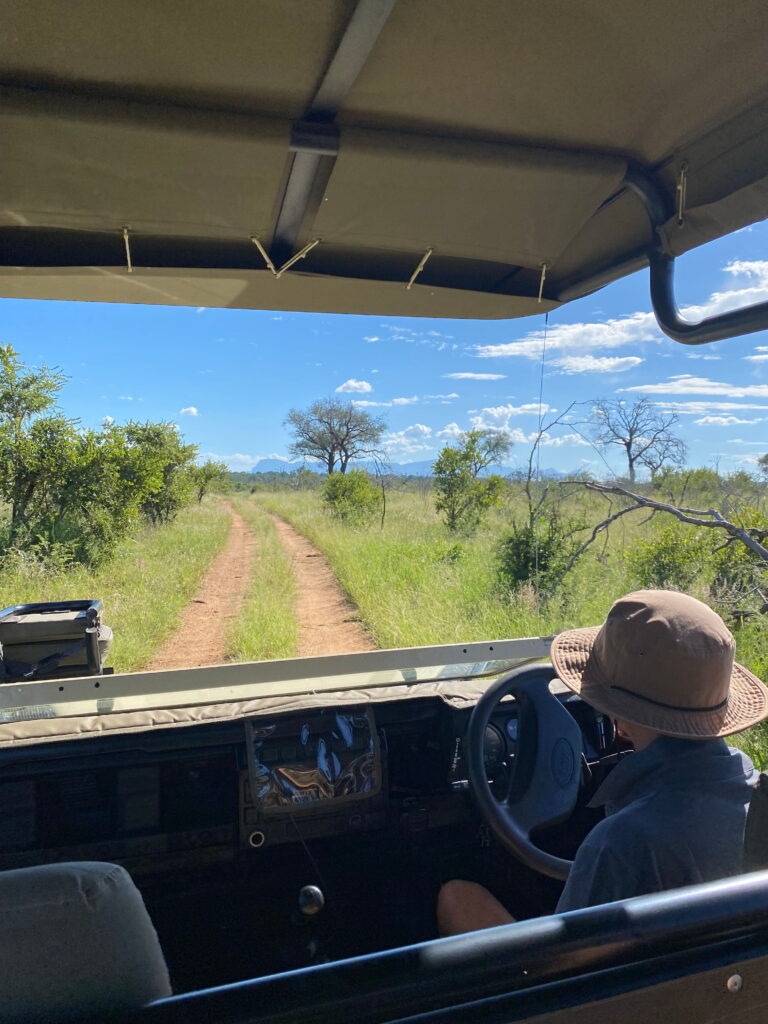 Rwanda offers far more than gorilla trekking when it comes to family safari experiences, especially for families traveling with older children and teenagers. From rainforest adventures to primate encounters and elevated canopy walks, the country provides immersive outdoor activities that combine excitement, education, and meaningful time together in nature.
Nyungwe National Park Tours for Families (15+)
Nyungwe National Park is one of Rwanda’s most rewarding destinations for families with teens aged 15 and older, offering guided forest experiences that highlight the park’s incredible biodiversity. The combination of hiking, wildlife observation, and immersive rainforest scenery makes it an ideal setting for older children ready for more active adventure travel.
Canopy Walk Experience with Kids
The canopy walk in Nyungwe is designed for visitors who are comfortable with heights and light physical activity, making it well-suited for teenagers and older children. This suspended bridge stretches high above the rainforest floor, giving families a rare perspective of East Africa’s ancient forest from above the treetops while maintaining strict safety standards and guided access.
Age Recommendation and Safety Requirements
While the canopy walk is generally recommended for guests aged 6 and older depending on fitness and comfort level, it is best experienced by older children and teens who can confidently handle heights and follow guide instructions. Safety briefings and controlled access ensure that every family member can enjoy the experience responsibly.
Walking Above the Rainforest Canopy in East Africa’s Famous Suspension Bridge
Crossing the Nyungwe canopy walkway places families high above one of Africa’s oldest mountain rainforests, with panoramic views stretching across thick vegetation, towering hardwood trees, giant ferns, tangled vines, bamboo zones, and layers of emerald-green canopy. The famous suspension bridge allows teenagers and families to experience the forest from an entirely different perspective, spotting birds, monkeys, and rainforest life moving through the treetops while enjoying an exciting but well-managed adventure led by trained park guides.
Wildlife and Birdwatching Opportunities for Families
From the canopy, families can spot a wide variety of birds, butterflies, and forest wildlife moving through the layers of the jungle below. Teenagers often find this especially engaging as they learn to identify species and observe behaviors in one of Africa’s richest biodiversity zones.
Educational Value of Rainforest Exploration for Teenagers
Exploring Nyungwe offers teenagers a hands-on learning experience about ecosystems, conservation, and the importance of protecting rainforest habitats. It turns a family safari into an interactive classroom where science, nature, and real-world discovery come together in a memorable way.
Gloves and Bugs On Canopy Tours
Lightweight gloves are highly recommended on canopy tours, not only for grip but also for added protection from insects and small rainforest creatures that may occasionally be found on handrails or surrounding vegetation. In Nyungwe Forest, visitors can encounter ants, biting insects, hairy caterpillars that may cause skin irritation, and large spiders such as golden orb-weavers that sometimes build webs near forest pathways and structures. While serious bites or stings are uncommon on guided canopy walks, using gloves, wearing long sleeves, and avoiding direct contact with insects or webs can help reduce the risk of minor bites, stings, or skin reactions. These simple precautions allow families and teenagers to focus on the excitement of walking high above Rwanda’s rainforest while staying comfortable in an active tropical environment.
Chimpanzee Trekking & Forest Experiences (15+)
Chimpanzee trekking in Rwanda with kids provides a fast-moving and energetic wildlife experience that is best suited for older children and teenagers who can keep pace with active forest hikes. The experience takes families deep into the jungle, where guided tracking leads to encounters with one of our closest primate relatives.
Fast-Paced Nature of Chimpanzee Tracking
Unlike gorilla trekking, chimpanzee tracking involves more movement and quicker reactions as these primates travel rapidly through the forest canopy and ground. Teenagers must be prepared for brisk hiking, changing directions, and attentive listening to guides throughout the search.
Why the Experience Is Better Suited for Older Children
Because Rwanda chimpanzee trekking can be physically demanding and unpredictable, it is generally recommended for older children and teens who have the stamina and focus to handle longer forest hikes. The experience requires patience, agility, and the ability to stay engaged during fast-changing wildlife movement.
Learning About Rwanda’s Primates and Biodiversity Together as a Family
Chimpanzee trekking with a family offers a unique opportunity to learn together about primate behavior, forest ecosystems, and Rwanda’s conservation efforts. For teenagers, it adds depth to the adventure by connecting wildlife encounters with real-world environmental understanding.
Lake Kivu Boat Cruises for Families (All Ages)
Lake Kivu offers a refreshing change of pace for families traveling through Rwanda, especially after physically demanding adventures like gorilla trekking or rainforest hikes. Calm waters, beautiful mountain scenery, and easygoing boat excursions make the lake an excellent option for travelers with younger children, teenagers, and multi-generational families. Boat rides are generally gentle and scenic, giving kids the chance to explore small islands, traditional fishing villages, and lakeside communities without the intensity of a full trekking day.
Family Activities Around Lake Kivu
Families visiting Lake Kivu can enjoy a wide mix of activities designed for both relaxation and cultural discovery. Children can spend time swimming, playing along sandy lakeshore areas, or unwinding between safari experiences, while parents and older kids may enjoy coffee tours, local cultural visits, and learning about daily life in Rwanda’s lakeside communities. Evening sunset cruises also create memorable family moments, with dramatic lighting, mountain backdrops, and excellent opportunities for family photography.
What Parents Should Pack for Rwanda Boat Excursions with Children
Packing thoughtfully can make Lake Kivu outings smoother and more comfortable for families with children of all ages. Parents should consider bringing sun hats, sunscreen, lightweight layers, swimsuits, towels, water shoes, snacks, extra drinking water, and a dry bag for electronics or cameras. For younger children, spare clothing, simple entertainment items, and motion sickness remedies can also be useful, helping families enjoy the lake’s scenic beauty with fewer interruptions and more time focused on fun.
Bigogwe Cow Experience for Families (All Ages)
The Bigogwe Cow Experience introduces families to one of Rwanda’s most important cultural traditions through an interactive Rwanda farm setting that welcomes visitors of all ages. Children, teenagers, and parents can take part in activities such as hand-milking cows, learning about traditional cattle care, tasting fresh milk, and discovering the historical importance of long-horned cattle in Rwandan culture. The experience often includes music, storytelling, and community interaction, creating an engaging environment where families can participate rather than simply observe.
Rwanda’s Cultural Cow Experience with Children
For families traveling with children, the cultural cow experience offers a rare opportunity to step into daily rural life in Rwanda through hands-on learning and authentic traditions. Kids can see how cattle are cared for, understand their role in local identity and agriculture, and join in activities that connect history, food, and family customs. Traditional songs, demonstrations, and welcoming hosts help make the experience lively, educational, and accessible for younger travelers.
Why Children Love the Cow Experience
Children are often drawn to the Bigogwe Cow Experience because it combines animals, outdoor activity, and direct participation in a safe and relaxed environment. Younger travelers enjoy being close to the cattle, trying practical farm tasks, and interacting with local families while learning where food and agricultural traditions come from. Beyond the fun, the experience gives children a deeper appreciation for Rwanda’s rural heritage, community life, and the cultural value of farming practices that continue across generations.
Golden Monkey Trekking in Rwanda (12+)
Golden monkey trekking in Rwanda is one of the most family-friendly primate experiences available for older children and teenagers, with a minimum participation age of 12 years old in Volcanoes National Park. Compared to gorilla trekking, the activity is often shorter and less physically demanding, making it a strong option for active families who want a wildlife adventure without the intensity of longer mountain hikes. The experience focuses on Rwanda’s endangered golden monkeys, known for their bright orange-gold coloring, energetic movement, and playful social behavior that many children and teens find exciting to observe.
Minimum Age Requirements for Golden Monkey Tracking
Rwanda’s minimum age guideline of 12+ for golden monkey trekking reflects the manageable but still active nature of the experience. The trek typically takes place in the bamboo forests of Volcanoes National Park, where trails can involve moderate hiking, uneven terrain, and changing weather conditions but are often easier than many gorilla trekking routes. The quick movements, climbing, feeding, and group interactions of golden monkeys tend to keep younger teens engaged, making the experience especially appealing for children who enjoy wildlife photography, animals, and outdoor exploration.
What Families Can Expect During the Trek
Families joining a golden monkey trek can expect a guided hike through Rwanda’s cool, misty bamboo habitat near the Virunga volcanoes, where trackers lead visitors toward active monkey groups moving through dense vegetation and lower tree cover. Encounters are frequently close-range, giving families opportunities to photograph monkeys leaping through bamboo stalks, grooming, feeding, and interacting just meters away. Parents should prepare children and teenagers with comfortable hiking shoes, rain protection, layered clothing, drinking water, and a camera with a fast shutter setting, as the monkeys move quickly and Rwanda’s mountain weather can change rapidly throughout the day.
Akagera National Park Safari with Kids (All Ages)
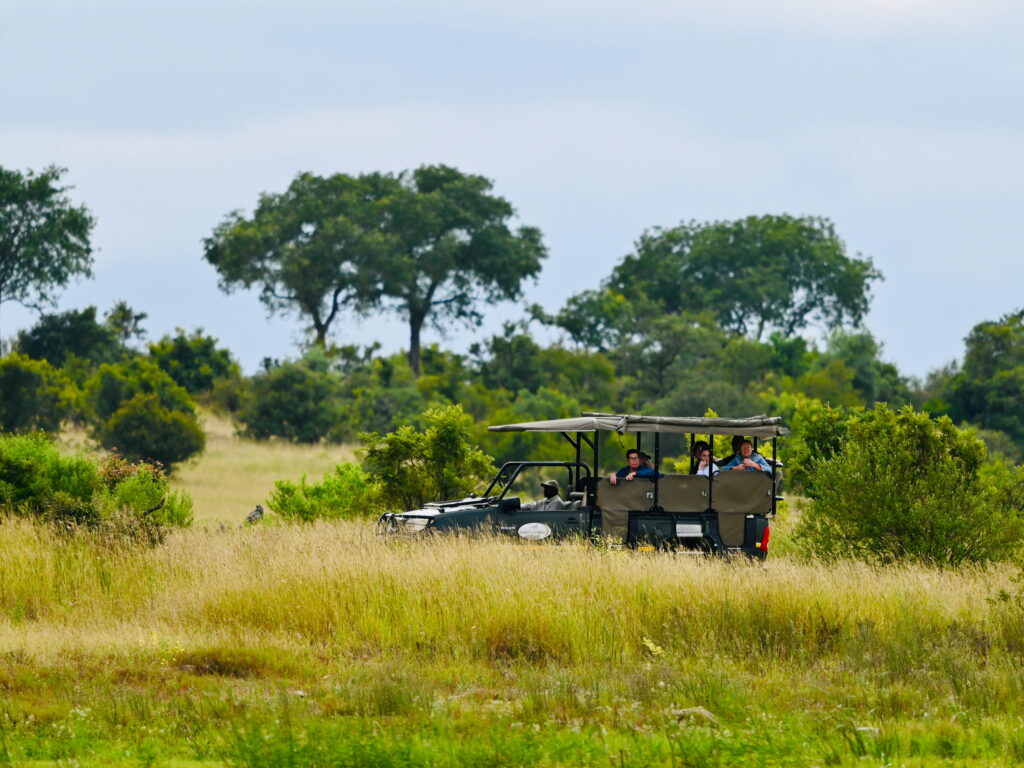
Akagera National Park is widely considered the best Rwanda safari for families, offering a classic African wildlife experience that works well for parents traveling with children of different ages. Unlike mountain trekking adventures, Akagera allows families to explore large landscapes by vehicle, making it easier for younger children to enjoy wildlife viewing without strenuous hiking. Families have the chance to spot Rwanda’s iconic animals including lions, elephants, giraffes, zebras, rhinos, buffalo, antelope, and hippos, creating the kind of safari moments many children dream about.
Why Akagera is Rwanda’s Best Safari Destination for Families
For parents seeking a balance between adventure, comfort, and educational value, Akagera stands out as Rwanda’s most family-friendly safari park. The park’s open savannahs, lakes, and wildlife-rich plains create opportunities for children to learn about animal behavior, ecosystems, and conservation in a way that feels exciting rather than classroom-based. The combination of easier logistics, diverse wildlife, and activities suitable for both younger kids and teenagers makes Akagera an excellent option for family safari travel in Rwanda.
Family-Friendly Safari Activities in Akagera
Families visiting Akagera can choose from a variety of experiences tailored to different ages and energy levels. Day game drives allow children to search for wildlife from the safety and comfort of a safari vehicle, while boat safaris on Lake Ihema offer close views of hippos, crocodiles, and waterbirds without long walking distances. Birdwatching, wildlife education, and ranger-led learning opportunities can keep curious children engaged, while night game drives may appeal to older children and teens interested in seeing nocturnal animals in action.
Tips for Keeping Children Comfortable During Safari Drives
Preparing properly can make a major difference when taking children on safari drives in Akagera National Park. Parents should pack sun hats, sunscreen, lightweight layers, binoculars, snacks, refillable water bottles, and quiet entertainment for longer drives, especially for younger children. Scheduling breaks, choosing age-appropriate drive lengths, and encouraging kids to participate in spotting animals or identifying species can help maintain excitement and comfort throughout the safari day.
Childcare & Rwanda Daycare Options During Gorilla Trekking
For families visiting Rwanda with children under the 15-year gorilla trekking age requirement, planning can become more complex when parents want to participate in the trek. Rather than missing the experience or separating family travel plans, many parents choose to combine gorilla trekking with trusted childcare support that allows younger children to stay engaged, supervised, and comfortable while adults are exploring Volcanoes National Park.
Amahoro Tours Daycare & Child-Friendly Activity Options
Amahoro Tours provides safe, supervised childcare solutions for families who want to enjoy gorilla trekking while ensuring younger children have a fun, engaging, and culturally enriching experience.
- Supervised Childcare During Gorilla Trekking – Caring, reliable supervision while parents are trekking in Volcanoes National Park.
- Creative Arts & Crafts Activities – Hands-on projects designed to keep children entertained and creatively engaged.
- Rwandan Storytelling & Music Sessions – Interactive cultural experiences featuring local stories, songs, and traditions.
- Basket Weaving & Educational Cultural Learning – Child-friendly introductions to traditional Rwandan crafts and heritage.
- Outdoor Play & Nature Exploration – Secure outdoor activities that allow children to enjoy fresh air, movement, and age-appropriate discovery.
Why Family Safari Planning Matters in Rwanda
Successful family travel in Rwanda often comes down to thoughtful planning around children’s ages, personalities, and activity levels. Families frequently benefit from balancing high-energy adventures like gorilla trekking or safari drives with quieter experiences, cultural visits, lakeside relaxation, or flexible downtime. Building an itinerary that considers both adult interests and child enjoyment can create a smoother, more rewarding trip for everyone.
Tips for Planning a Rwanda Family Safari
Planning a Rwanda family safari involves more than choosing wildlife activities — it requires thinking through seasonality, packing, health preparation, accommodations, and logistics with children in mind. Families should consider the best travel periods for weather and comfort, pack practical safari clothing and child essentials, review vaccination and health requirements before departure, and select accommodations equipped for family stays. Working with experienced Rwanda safari specialists such as Amahoro Tours can help parents coordinate the right combination of trekking, childcare, family activities, and personalized support for a more seamless adventure.
Gorilla Trekking with Kids Safari from Amahoro Tours
This 12-Day Rwanda Family Safari from Amahoro Tours brings together gorilla trekking, Akagera game drives, cultural discovery, and interactive adventures designed to keep both children and adults fully engaged from start to finish. Your family will journey through Nyungwe National Park, Lake Kivu, Volcanoes National Park, Akagera National Park, and Kigali, experiencing canopy walks, boat cruises, golden monkey tracking, traditional cow culture, safari game drives, and hands-on cultural activities, while benefiting from thoughtful family planning features including childcare support during trekking experiences, making it easier for parents and children to enjoy Rwanda together in a way that feels exciting, balanced, and deeply memorable.
Amahoro – A Deeper Meaning
At Amahoro Tours, “Amahoro,” meaning peace, is more than our name — it reflects our commitment to sustainable tourism, meaningful cultural exchange, and positive impact across Rwanda, Uganda, and Congo. Through responsible, community-driven travel experiences, we create unforgettable journeys that connect visitors with Africa’s people, landscapes, and traditions while supporting local livelihoods, conservation, and authentic exploration.
Book Your Rwanda Family Safari Adventure
Please Fill Out The Form Below To Help Us Plan Your Perfect Tour
"*" indicates required fields
See What Our Guests Are Saying
 Rwanda is Amazing - Had a fantastic experience with Amahoro tours (through jenman safaris).
We got to see such amazing wildlife in Rwanda as well as some cultural/historical places like the genocide memorial/the king's palace/hotel des milles collines. The gorilla and chimpanzee trekking were real highlights. Accommodations were excellent!
And of course, thank you to our guide/driver Mugabe in helping us get to our various locations and explaining various aspects about Rwanda!

 Connector38769434417
July 21, 2026
This is THE best tour company in Rwanda! - My husband and I had the absolute best experience with Amahoro Tours and highly recommend you book your Rwanda trip with them. Amos was extremely helpful and we fell in love with Rwanda in large part because we had such a great guide named Edmond who was very professional, prompt, and had a wealth of knowledge. He’s likely the best driver in the whole country so you should request him specifically! After visiting and working with other tour companies in Rwanda, Tanzania, and Zanzibar, we can confidently say Amahoro Tours was the best and we look forward to using them again in the future.
 travel_more202
January 10, 2026