
Best Time Of Year For A Safari In Congo
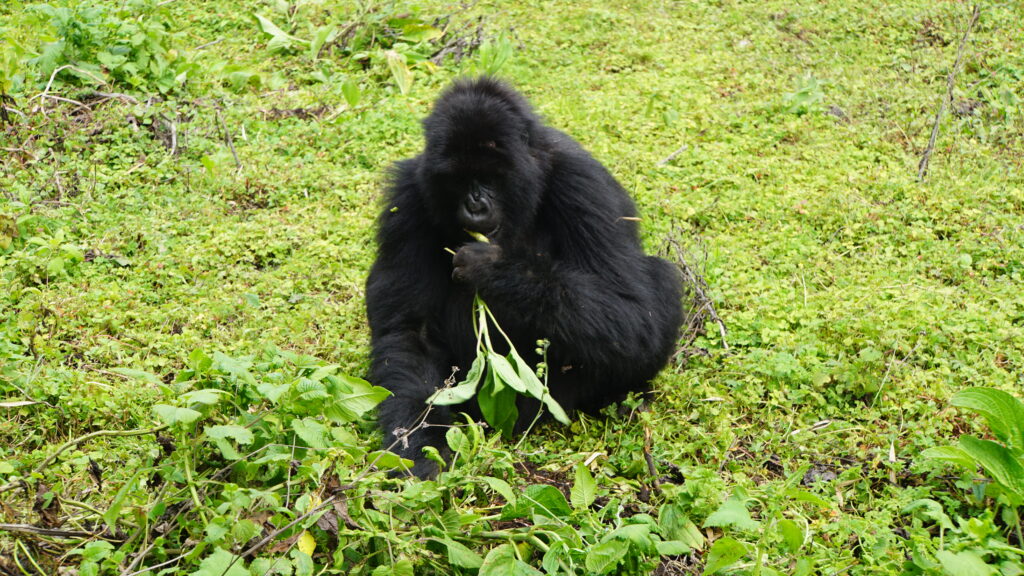
The Democratic Republic of the Congo offers an extraordinary African safari experience, where dense tropical forests, remarkable wildlife, and unforgettable gorilla trekking adventures create a journey unlike any other. For travelers drawn to the untamed beauty of the Congo, choosing when to visit can make a meaningful difference in how they experience the landscape, navigate forest trails, and travel between destinations. Rainfall, humidity, road conditions, and access to outdoor activities all play a role in shaping an itinerary. While the drier months can provide favorable conditions for trekking and exploration, the wetter seasons reveal a rainforest full of life and dramatic natural beauty. The best time of year for a safari in Congo ultimately depends on your interests, preferred activities, travel plans, and the conditions at your chosen destinations. Learn more about our Congo tours from Amahoro Tours now.
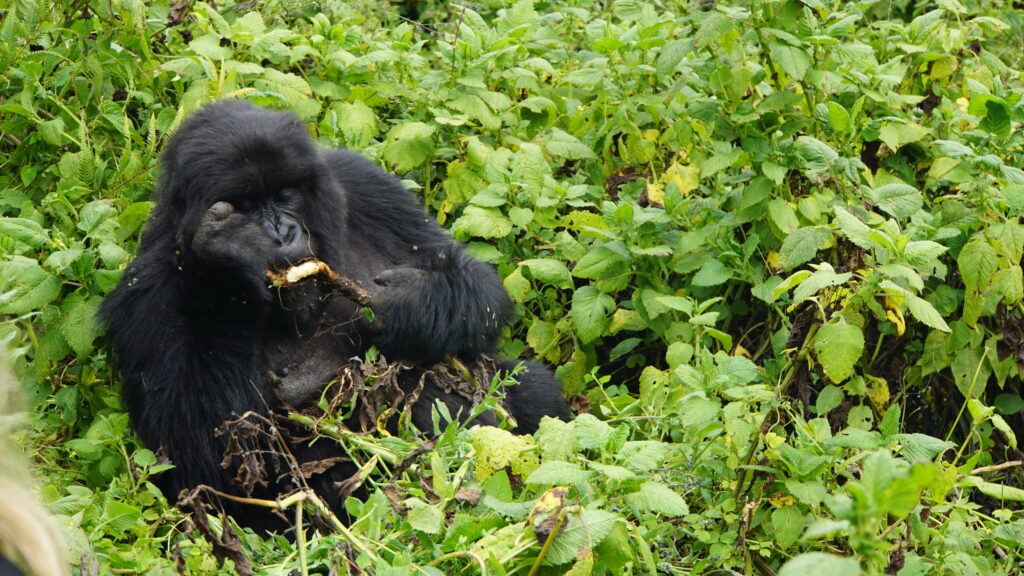
The Best Months for a Safari in Congo
For many Congo tourists, the relatively drier periods offer an appealing opportunity to explore the Congo’s extraordinary wilderness, particularly when gorilla trekking and extended hikes are central to the adventure. From June through September, as well as during parts of December through February in eastern Congo, reduced rainfall can make certain trails less muddy and some transportation routes easier to navigate. These conditions may allow for a more comfortable journey through forested terrain and between planned activities. However, the ideal travel window for a safari in Congo involves more than looking at a calendar. Gorilla trekking permits, park operations, accessibility, and current local conditions all influence what is possible during a visit. Planning with experienced local guidance helps travelers select dates that align with their priorities while allowing room for the unexpected, because an adventure in the Congo rewards preparation as much as it does a spirit of discovery.
Understanding Congo’s Climate and Safari Seasons
The Democratic Republic of the Congo spans an immense area of Central Africa, encompassing vast rainforests, mountainous terrain, and ecosystems shaped by a tropical climate. Rather than following one uniform weather pattern, the country experiences regional differences in rainfall and temperature that can influence when and where to travel. In eastern Congo, including areas around Virunga National Park, travelers generally plan around two relatively drier windows and periods of heavier rain, while other parts of the country may follow different seasonal patterns. The central rainforest, for example, can remain humid and receive rainfall throughout much of the year. These variations matter when choosing destinations, arranging transportation, and preparing for activities on foot. Understanding the local climate helps travelers set realistic expectations, pack appropriately, and build an itinerary around the experiences they value most. Before confirming a safari, it is also essential to check current park access, travel advisories, and local operating conditions, as weather is only one part of planning a successful Congo adventure.
June to September — A Popular Period for Gorilla Trekking
June through September can be an excellent window for travelers hoping to encounter mountain gorillas in the forests of eastern Congo, as comparatively drier weather may create more manageable conditions for navigating steep slopes and remote trekking routes. With fewer stretches of heavy rainfall in some areas, visitors may find it easier to move between trailheads, enjoy extended time in the wilderness, and take in the extraordinary biodiversity surrounding them. These months can be particularly appealing to adventurous travelers who want to prioritize guided hikes, wildlife encounters, and time outdoors. However, the rainforest follows its own rhythm, and showers, damp vegetation, and slippery ground remain possible even during the drier season. Packing sturdy hiking boots, quick-drying clothing, and reliable rain protection will help you prepare for changing conditions while making the most of your Congo safari.
December to February — Another Potentially Favorable Window
December through February offers another opportunity to plan a Congo safari, particularly in parts of eastern DRC where this period can bring a relative break from heavier seasonal rainfall. For travelers eager to experience gorilla trekking, observe forest wildlife, and discover the region’s remarkable natural surroundings, these months may provide a worthwhile alternative to the midyear travel season. The appeal lies in combining guided outdoor adventures with the chance to experience a living rainforest shaped by its own distinctive seasonal patterns. Weather can still change quickly, however, and conditions are not identical across every park or year. Before settling on travel dates, confirm local rainfall expectations, trekking availability, transportation arrangements, and park access with a knowledgeable operator. A well-planned itinerary can help you embrace the experience with confidence while remaining flexible enough to accommodate the realities of travel in a remote wilderness.
March to May — Navigating Wetter Conditions
March through May can bring more persistent rainfall to parts of eastern Congo, creating a different set of considerations for travelers exploring its forested landscapes. Saturated trails may become slippery, muddy roads can slow transfers, and journeys between accommodations and activity locations may require additional time. These challenges do not automatically rule out a safari, but they make preparation and local knowledge especially valuable. Travelers should allow flexibility in their schedules, choose appropriate waterproof gear, and discuss the physical demands of planned hikes before departure. It is also wise to verify whether transportation routes, trekking activities, and park facilities are operating as expected rather than relying on seasonal averages alone. By reviewing current conditions and building realistic travel buffers into an itinerary, visitors can make informed decisions about whether these months suit their interests, comfort level, and appetite for adventure.
October to November — Planning Around Seasonal Rainfall
October and November can bring renewed rainfall to parts of eastern Congo, transforming forest trails into muddy pathways and adding complexity to travel through remote areas. For visitors planning a Congo gorilla trek or other guided excursions, wet ground can make steep climbs more demanding, reduce walking speeds, and require extra care when navigating uneven terrain. Road conditions may also deteriorate, potentially extending transfer times and affecting connections between destinations. These seasonal challenges make thoughtful preparation essential, particularly for travelers with limited time or multiple activities planned. Working with knowledgeable local operators such as Amahoro Tours can help you coordinate transportation, assess current access conditions, and build flexibility into your itinerary. With the right preparation and realistic expectations, you can approach your Congo adventure with a deeper appreciation for the natural forces that shape this remarkable wilderness.
How the Season Affects Gorilla Trekking in Congo
Encountering mountain gorillas in their natural habitat is a powerful wildlife experience, combining guided forest exploration with the opportunity to observe these remarkable primates at a respectful distance. Gorilla trek Congo recommends can involve searching through thick vegetation, crossing uneven ground, and climbing forested slopes until trackers locate a gorilla family. Seasonal weather influences the physical demands of this journey, as high humidity, wet foliage, and slippery inclines can make progress more challenging after rainfall. Sturdy boots with reliable grip, lightweight layers, waterproof clothing, and sufficient physical preparation can help you navigate the terrain more comfortably. Every trek is different, and neither the time spent hiking nor the exact moment of a gorilla encounter can be guaranteed. Before booking, confirm permit availability, park access, and current safety conditions, since these practical requirements are essential to planning a responsible visit.
Wildlife Viewing and Other Experiences Throughout the Year
Beyond its celebrated gorillas, Congo offers nature enthusiasts a chance to appreciate the extraordinary complexity of Central African ecosystems, from towering forest canopies to the calls of birds echoing through the trees. Depending on the destination and available activities, travelers may enjoy guided forest walks, birdwatching, scenic viewpoints, and opportunities to learn about the relationships between wildlife, habitat, and local conservation efforts. Seasonal changes can influence how easily visitors reach particular areas, how long excursions take, and which experiences are practical to include. A traveler focused on mountain gorillas may prioritize accessible trekking conditions, while someone drawn to rainforest scenery and birdlife may approach seasonal planning differently. Rather than assuming every region offers the same opportunities, build your itinerary around the specific parks, habitats, and excursions you intend to visit, using local expertise to understand what each destination can realistically offer during your travel dates.
What to Pack for a Congo Safari
Packing for a Congo safari means preparing for humid weather, changing temperatures, wet vegetation, and outdoor activities that may last several hours. Choose breathable shirts, lightweight trousers, moisture-wicking socks, and supportive waterproof hiking boots with traction suited to uneven trails. A compact rain jacket and waterproof bags or dry sacks can protect essential belongings when sudden showers arrive, while insect repellent, sunscreen, and a reusable water bottle help support everyday comfort. Binoculars can bring distant birds and other wildlife into clearer view, and a camera allows you to preserve memories without distracting from the experience itself. Consider packing a small daypack, personal medications, spare clothing, and any trekking equipment recommended by your operator. Check passport and visa requirements well in advance, and consult a qualified travel-health professional about destination-specific vaccinations, malaria prevention, and other recommended precautions before departure.
Important Considerations Before Booking a Safari in Congo
Organizing a safari in the Democratic Republic of the Congo requires careful attention to logistics beyond choosing a travel month. Before committing to flights or accommodations, verify that your intended park is operating, the activities you want are available, and any required permits can be secured for your dates. Review current government travel advisories and regional security information, particularly because conditions can differ significantly between areas and change with little notice. Transportation may involve lengthy transfers, challenging roads, or schedule adjustments, so allow sufficient time between connections and avoid building an itinerary that depends on every journey running perfectly. Select an experienced, reputable operator who can explain local arrangements, responsible wildlife-viewing practices, and contingency plans. Confirm accommodation details, entry documentation, insurance coverage, and cancellation terms, and leave some breathing room in your schedule. Thorough preparation helps you make informed decisions while respecting the realities of travel in a remote and diverse region.
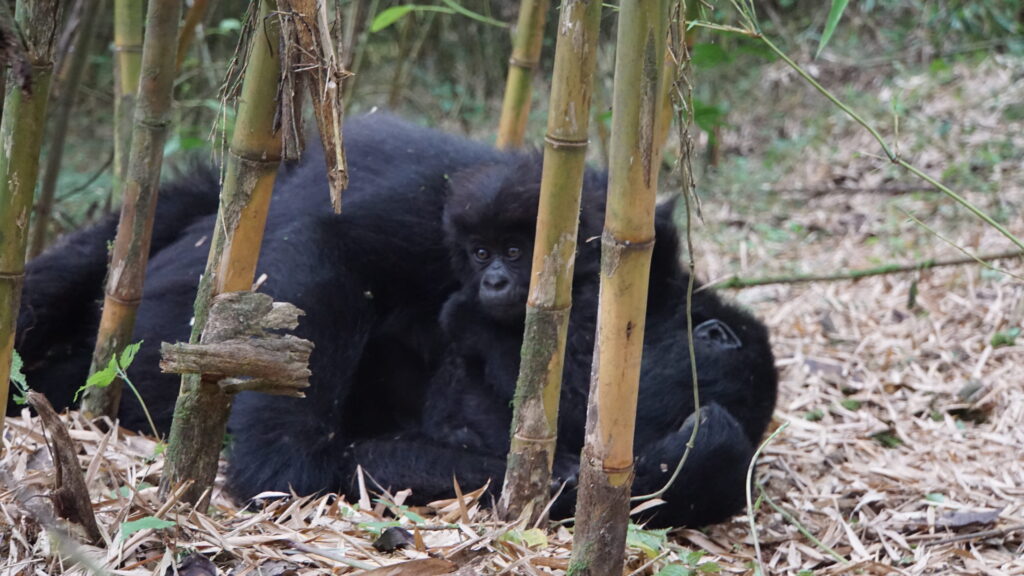
Types Of Safaris In Congo
Choosing a safari in the Democratic Republic of the Congo starts with deciding what you want to discover. Some journeys revolve around rare primate encounters, while others focus on identifying unusual bird species, exploring dramatic geological features, or learning how people live alongside protected wilderness. The country’s immense size means that experiences differ considerably depending on the region, the ecosystem, and the excursions available. Rather than treating every safari as the same kind of trip, consider which activities interest you most, how much time you have, and what travel arrangements are practical for your chosen destination.
Lowland Gorilla Encounters
For visitors interested in primates, lowland gorilla experiences offer a different perspective from the mountain gorilla treks associated with eastern Congo. Western lowland gorillas inhabit Central African forests, including parts of the Democratic Republic of the Congo, although opportunities to observe them depend on the specific conservation area and its visitor programs. Guided encounters, where available, provide insight into gorilla behavior, feeding habits, and the importance of protecting forest habitats. These trips require destination-specific planning because lowland gorilla experiences are not interchangeable with mountain gorilla trekking, and visitor access varies considerably. Confirm the species, location, permits, and operating arrangements before building this experience into your itinerary.
Congo River and Waterway Excursions
The Congo River and its extensive network of waterways reveal a side of the country that cannot be experienced from forest trails alone. Where suitable guided excursions operate, river journeys can introduce travelers to riverside settlements, changing landscapes, fishing activity, and the connections between waterways and everyday life. The experience is shaped by the route itself, with conditions on the water, departure arrangements, and access to particular locations influencing what is possible. Travelers should investigate boat safety, journey duration, seasonal water conditions, and local transportation before booking. Because river travel is not available as a standard safari activity everywhere in the country, select a specific destination and confirm that reputable operators can arrange the excursion.
Birding Expeditions for Specialist Wildlife Enthusiasts
Congo offers remarkable birdwatching opportunities for travelers hoping to spot distinctive species in some of Central Africa’s richest natural habitats. In Salonga National Park, a vast expanse of tropical rainforest in the Congo, bird enthusiasts can explore forest ecosystems that support diverse birdlife, while the country’s eastern highlands offer different habitats and species to discover. One notable example is the Congo peafowl, an elusive bird native to the Congo Basin that attracts particular interest from dedicated birdwatchers. Finding specialized species requires patience, careful listening, and guidance from someone familiar with local bird calls and habitats. Before choosing an expedition, research the species found in your target area and confirm current park access, available guides, and travel logistics to ensure the experience matches your birding interests.
Volcanic Landscapes and Geological Exploration
Congo’s volcanic terrain offers a compelling option for travelers fascinated by the forces that shape the natural world. In the Virunga region, volcanic formations, rugged ridgelines, and distinctive landforms provide a striking contrast to the surrounding forests. Depending on current access permissions and safety requirements, some itineraries may include guided hikes or visits to approved viewpoints where geological features can be appreciated firsthand. These Congo volcano hikes differ from wildlife-focused safaris because the landscape itself is the main attraction. Routes can be physically demanding, and volcanic areas may be subject to restrictions or closures, so confirm the exact activity, guide arrangements, fitness requirements, and current operating status before making plans.
Cultural Heritage and Local Community Visits
Traveling through Congo can also create opportunities to learn about the country’s cultural diversity through carefully arranged visits with local communities. Depending on the destination and the hosts involved, travelers may learn about regional food traditions, crafts, music, agricultural practices, or the ways communities maintain connections with their surrounding environment. The most meaningful experiences are organized with community participation, clear expectations, and respect for local customs rather than treating daily life as a spectacle. Ask your tour operator who leads the visit, whether photography is permitted, and how participation benefits the hosts. Including an appropriate community experience can add a human dimension to a nature-focused journey while encouraging more thoughtful, locally informed tourism.
Choosing the Right Time for Your Congo Safari
The ideal time to visit Congo depends on the kind of adventure you want and the particular region you plan to explore. Travelers prioritizing gorilla trekking in eastern DRC often consider the relatively drier periods, when some trails and transportation routes may be easier to navigate. However, dates outside these windows may still suit visitors whose schedules are flexible and whose plans align with local weather, available excursions, and current access conditions. Start by identifying your main priorities, whether that means observing mountain gorillas, exploring rainforest habitats, photographing birds, or combining several nature-focused experiences. Then compare seasonal patterns with permit availability, park operations, travel logistics, and the time you can devote to the journey. Consulting knowledgeable local specialists can help you match expectations with practical conditions and choose an itinerary that reflects your interests rather than relying on a single month as the universal answer.
See What Our Guests Are Saying
 This is THE best tour company in Rwanda! - My husband and I had the absolute best experience with Amahoro Tours and highly recommend you book your Rwanda trip with them. Amos was extremely helpful and we fell in love with Rwanda in large part because we had such a great guide named Edmond who was very professional, prompt, and had a wealth of knowledge. He’s likely the best driver in the whole country so you should request him specifically! After visiting and working with other tour companies in Rwanda, Tanzania, and Zanzibar, we can confidently say Amahoro Tours was the best and we look forward to using them again in the future.

 travel_more202
January 10, 2026
Rwanda is Amazing - Had a fantastic experience with Amahoro tours (through jenman safaris).
We got to see such amazing wildlife in Rwanda as well as some cultural/historical places like the genocide memorial/the king's palace/hotel des milles collines. The gorilla and chimpanzee trekking were real highlights. Accommodations were excellent!
And of course, thank you to our guide/driver Mugabe in helping us get to our various locations and explaining various aspects about Rwanda!
 Connector38769434417
July 21, 2026