
Congo Gorilla Trekking vs Rwanda Gorilla Trekking – A Full Comparison
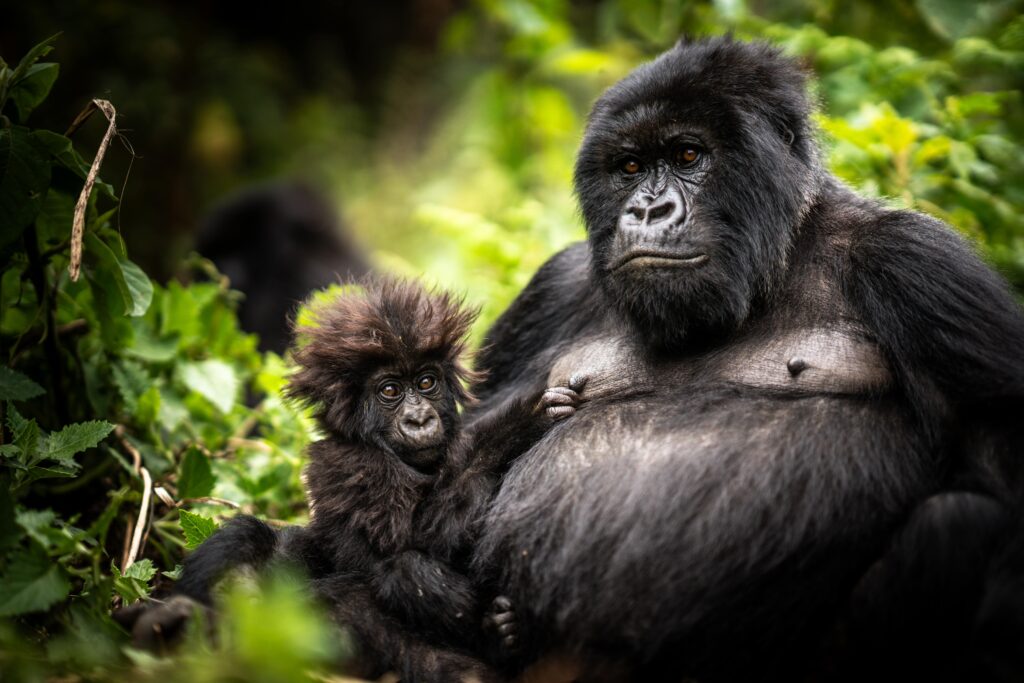
Few wildlife adventures compare to the rare experience of trekking through Central Africa’s dense mountain forests to observe gorillas in the wild. When choosing between Congo Gorilla Trekking vs Rwanda Gorilla Trekking, the choice can be challenging! This remarkable journey brings travelers into close proximity with one of the world’s most powerful and endangered primates—the mountain gorilla and eastern lowland gorillas. Amahoro Tours, a trusted name in ethical and guided travel, offers gorilla treks across Rwanda, Congo, and Uganda, giving guests access to three of the best regions for this extraordinary encounter. In this guide, we break down the key differences between gorilla trekking in Rwanda and Congo, offering a neutral, informative look at terrain, species, pricing, park logistics, and more—so you can confidently choose the destination that fits your sense of adventure. Learn more about the best Congo tours and best Rwanda gorilla tours now!
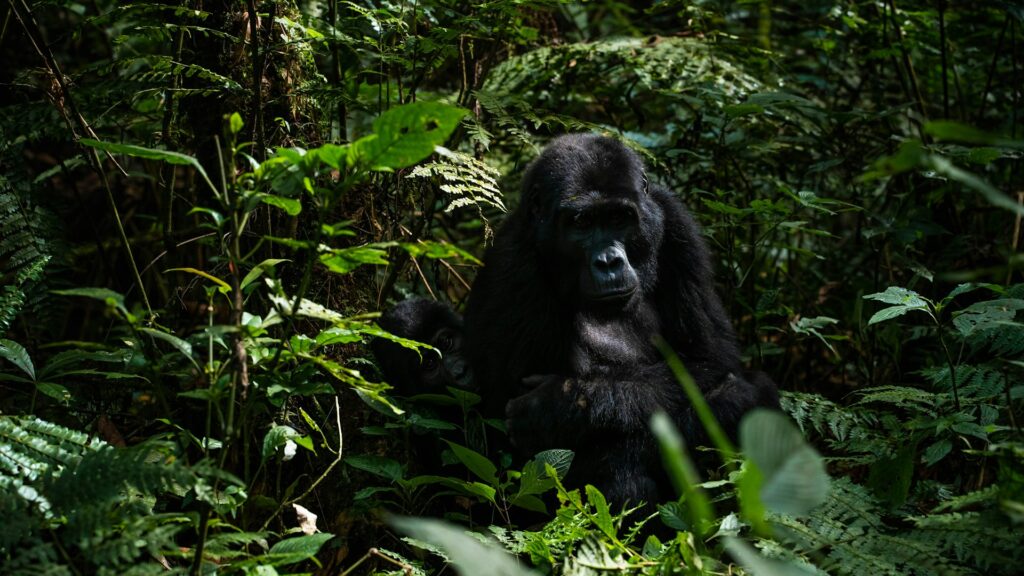
Congo Gorilla Tours and Safaris vs Rwanda Gorilla Tours and Adventure: The Ultimate Breakdown
Choosing between gorilla trekking in Rwanda or the Congo opens up two distinctly different yet equally thrilling wildlife adventures. Rwanda invites travelers with its refined tourism services and the iconic Volcanoes National Park, while Congo offers a more rugged, off-the-beaten-path journey through the untamed beauty of Virunga. Both destinations provide rare, up-close encounters with mountain gorillas, each shaped by unique landscapes, conservation stories, and travel logistics. At Amahoro Tours, we specialize in helping you decide which destination aligns with your travel goals—reach out today to start planning a personalized gorilla trekking experience that’s right for you. Learn more now!
The Terrain of Congo vs Rwanda – Which Park Are You Exploring?
Rwanda’s landscape is marked by rolling hills, cultivated farmland, and volcanic slopes covered in bamboo forests. Congo’s terrain, especially in Virunga, is more forested and rugged, with deep jungle and active volcanic zones. These environments create different challenges and scenery for trekkers in each country.
Rwanda: Volcanoes National Park
Volcanoes National Park lies in the Virunga Mountains and is just a 2.5-hour drive from Kigali. Its close proximity to the capital makes it one of the most accessible gorilla trekking locations in Central Africa. The park features clear trails, organized logistics, and well-developed infrastructure for travelers.
Congo (DRC): Virunga and Kahuzi-Biega National Parks
Congo offers gorilla trekking in two parks: Virunga for mountain gorillas and Kahuzi-Biega for lowland gorillas. Visitors typically enter via Goma, a border city next to Rwanda, before heading into the parks. These treks offer a wilder and more remote experience compared to Rwanda’s structured approach. Learn more about our 1 day gorilla trekking Virunga National Park now
Entry Logistics, Border Crossings & Visas for Rwanda versus Congo
Rwanda offers a streamlined entry process with flexible visa options and quick access to Volcanoes National Park from the capital. In contrast, visiting Congo involves more complex visa arrangements and tighter border controls, requiring advance planning and coordination with authorized operators.
Rwanda – Getting Into The Country
Traveling to Rwanda for gorilla trekking is typically straightforward, thanks to a well-organized visa system and efficient transportation routes. Most nationalities can apply for a tourist visa online in advance or obtain one upon arrival. Another convenient option is the East Africa Tourist Visa, which grants access to Rwanda, Uganda, and Kenya under one permit. Reaching Volcanoes National Park from Kigali is easy, with a well-paved highway connecting the capital to the trekking region in just a few hours.
How To Access Congo
Accessing the Democratic Republic of Congo (DRC) requires more preparation. Travelers must secure a special tourist visa tied specifically to their visit to Virunga Massif or Kahuzi-Biega National Parks. These visas are not issued at the border and must be arranged in advance, often in coordination with authorized tour operators or park officials. The most common entry point is the Gisenyi–Goma border crossing between Rwanda and eastern Congo. While this route is frequently used by visitors, it involves additional immigration procedures, security checks, and longer wait times. It’s important to confirm current entry requirements, as conditions and access policies may vary depending on political or regional factors. Learn more about being Congo tourism now.
Types of Gorillas Encountered in Congo vs Rwanda
Rwanda’s Volcanoes National Park offers close encounters with mountain gorillas in accessible, high-altitude forest settings known for well-maintained trails and strong conservation efforts. In contrast, Congo’s Virunga provides a more rugged trekking experience with similar gorillas in remote volcanic terrain, while Kahuzi-Biega hosts larger, ground-dwelling lowland gorillas in dense jungle, creating distinct wildlife adventures across these regions.
Rwanda (Volcanoes National Park): Mountain Gorillas
In Rwanda’s Volcanoes National Park, visitors encounter the iconic mountain gorillas, scientifically known as Gorilla beringei beringei. These gorillas live in the high-altitude forests of the Virunga volcano range, favoring dense bamboo and montane rainforest environments. They are habituated to human presence, which allows trekkers to observe them closely while maintaining respectful distances. The groups typically consist of 10 to 30 members, offering an intimate glimpse into their social behavior. Conservation efforts here have been highly successful, making Rwanda a leading destination for mountain gorilla tourism.
Congo Mountain Gorillas (Gorilla beringei beringei) – Virunga National Park
Virunga National Park in the Democratic Republic of Congo is also home to the mountain gorilla subspecies Gorilla beringei beringei, identical to those found in Rwanda. These gorillas inhabit the volcanic highlands of the Virunga Massif but tend to live in more secluded areas, away from the more heavily visited Rwandan side. The park’s rugged volcanic terrain and less-developed infrastructure create a wilder trekking experience. Despite previous challenges due to regional instability, Virunga’s mountain gorillas are carefully protected, and sightings here remain a rewarding adventure for those who visit.
Congo (Kahuzi-Biega National Park): Eastern Lowland Gorillas (Gorilla beringei graueri)
Kahuzi-Biega National Park shelters a different gorilla subspecies known as the eastern lowland gorilla (Gorilla beringei graueri), which is the largest among all gorilla types. These gorillas occupy the lowland tropical rainforests at lower elevations compared to their mountain relatives. They are mostly ground-dwelling and tend to move through dense, often challenging vegetation. Their size and terrestrial habits distinguish them from mountain gorillas, and their populations are less habituated to humans, making encounters rarer and more thrilling. Trekking here involves navigating thick forest and remote terrain, providing a unique wildlife experience.
Congo Gorillas vs Rwanda Gorillas
The main differences between gorilla trekking in Rwanda and Congo come down to the gorillas’ physical traits, habitats, and the overall trekking experience. Both Rwanda’s Volcanoes National Park and Congo’s Virunga National Park host mountain gorillas that are slightly smaller, with thick, dense fur suited for colder, high-altitude environments. Rwanda’s park features well-maintained trails and easier access, while Congo’s Virunga offers a more rugged, remote adventure through wild volcanic landscapes. In contrast, Congo’s Kahuzi-Biega National Park is home to the eastern lowland gorillas, which are noticeably larger, have longer limbs, and spend more time on the forest floor in dense lowland jungles. These differences influence how visitors experience the treks, from the terrain to the gorillas themselves, providing unique encounters depending on the region chosen. Learn more about mountain gorillas vs lowland gorillas now.
Gorilla Trekking Experiences: Congo vs Rwanda
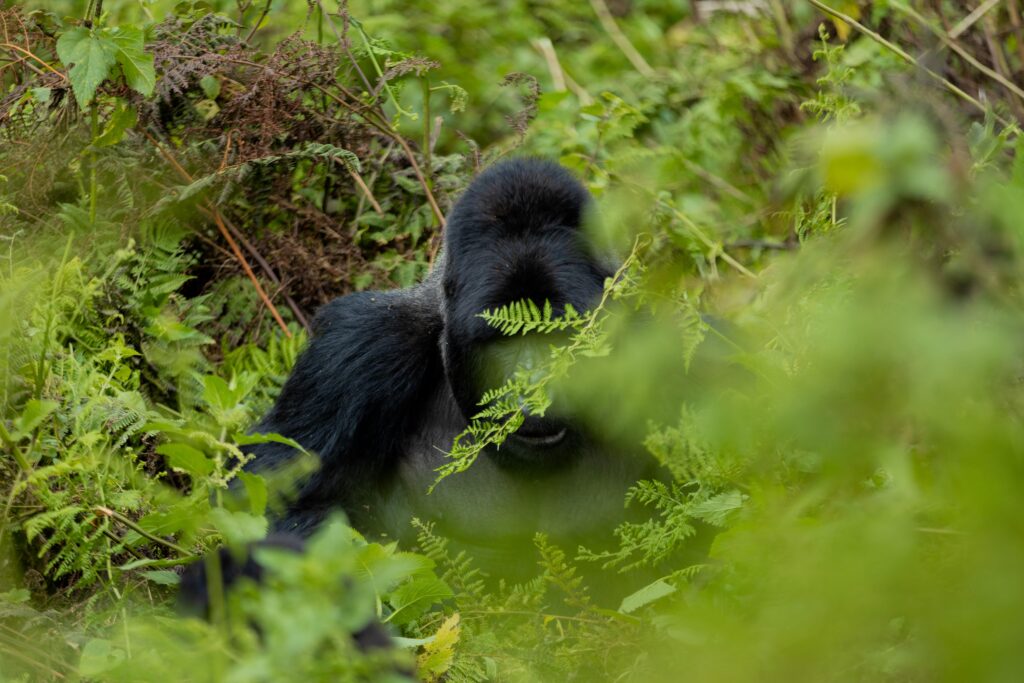
Rwanda offers a more structured gorilla trekking experience, with well-marked trails, shorter hiking durations, and a higher number of habituated gorilla families available to visitors. In contrast, Congo provides a wilder, more physically demanding journey through rugged terrain, fewer trekking groups, and longer routes that appeal to adventurous travelers seeking solitude and raw nature. Learn more about the Congo Gorilla Trekking vs Rwanda Gorilla Trekking experiences now.
Gorilla Family Access and Trekking Groups
In Rwanda’s Volcanoes National Park, travelers can choose from a wider selection of habituated gorilla groups, with more than ten families currently open to visitors. The park limits trekking groups to eight people per gorilla family to maintain a peaceful environment and ensure meaningful viewing. In Congo’s Virunga National Park, fewer habituated families are available, resulting in limited daily treks, but this often means smaller group sizes and quieter encounters in a more secluded atmosphere.
Hiking Time, Elevation, and Landscape
Both Rwanda and Congo offer treks through the dramatic slopes of the Virunga mountain range, but the hiking experience can differ significantly. Rwanda’s routes range from short to moderate hikes and are supported by improved access paths, allowing travelers to adjust their trek based on fitness level. In contrast, Congo’s trails are generally less maintained, cutting through thick undergrowth and rough terrain that can make the journey longer and more strenuous, especially in wet conditions. As the Congo re-opens for tourism, we recommend taking this leap!
How Long Does A Gorilla Hike in Congo or Rwanda
In Rwanda, most gorilla treks last between 1 to 4 hours each way, depending on the location of the assigned gorilla family. Some groups are found near the park boundaries, while others may require deeper ascents into the forest. In Congo, hikes to locate gorillas can take between 3 to 6 hours round-trip, often over steeper slopes and thicker vegetation. The variation in trek times and trail conditions makes Congo’s experience more physically demanding, while Rwanda’s infrastructure allows for greater flexibility and predictability.
Ranger Support and Pre-Trek Orientation
Rwanda features a well-structured visitor system, beginning with a centralized briefing at park headquarters where groups are matched with gorilla families according to ability and interest. The guided treks are led by trained rangers and trackers, providing context and safety throughout the experience. In Congo, visitors receive similar guidance, though the overall experience tends to feel more rugged and spontaneous, with fewer visitors and a more off-the-beaten-path vibe guiding the process.
Trail Conditions and Physical Challenge
Trekking in Rwanda benefits from a polished eco-tourism model, with trails that are easier to follow and slightly more predictable, even if still challenging at times. Congo offers a tougher path—thick forest, steeper inclines, and slippery, unmarked routes define the experience. These differences make Rwanda a more accessible option for travelers looking for structured adventure, while Congo appeals to those seeking raw, untamed wilderness.
Rwanda versus Congo Chimpanzee Trekking Comparison
Rwanda (Nyungwe Forest National Park)
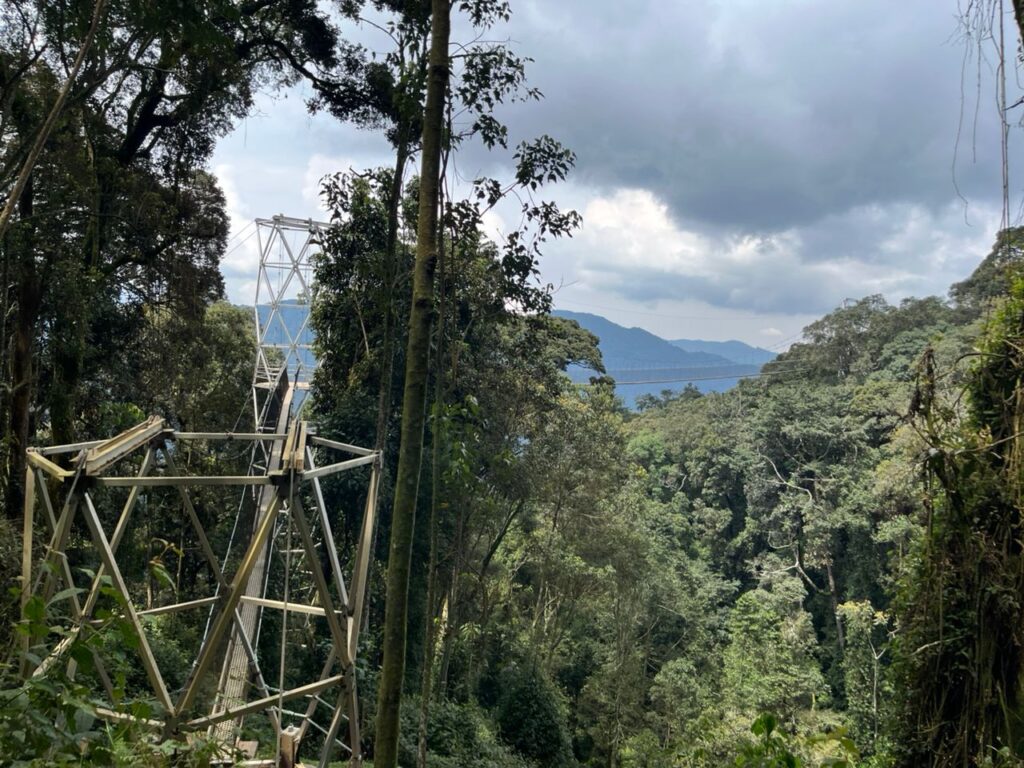
Nyungwe Forest National Park, situated in Rwanda’s southwest, offers one of the most rewarding chimpanzee trekking experiences in East Africa. This mountainous rainforest is teeming with life, including large, habituated chimpanzee groups that are regularly tracked by experienced guides. Treks wind through thick vegetation and steep slopes, with sightings often accompanied by the chimps’ energetic vocal calls. The forest also features well-maintained trails and canopy walks, adding an extra layer of adventure for travelers exploring the region. With its high population density and conservation success, Nyungwe is a top location for observing chimps in their natural setting.
Congo (Tongo Forest – Virunga National Park)
Tongo Forest, on the western edge of Virunga National Park, offers a quiet and remote chimpanzee trekking experience. Due to low visitor numbers, treks here are typically conducted in small groups, giving guests a more exclusive and personal connection with the forest and its wildlife. The chimpanzees in this area are gradually being habituated, and trackers use subtle techniques to locate and observe them without disruption. The experience feels more exploratory, with minimal infrastructure and a wilder atmosphere that appeals to adventurous travelers. Tongo’s low-profile setting allows for rare, authentic moments with the forest’s elusive residents.
Congo (Kahuzi-Biega National Park)
Beyond its famed lowland gorillas, Kahuzi-Biega National Park also supports scattered populations of chimpanzees within its lowland forests. These primates are not the main focus of tourism in the park, but visitors occasionally encounter them during treks or guided nature walks. The terrain here is thick with undergrowth and less developed for structured chimp tracking, offering a more unpredictable but thrilling encounter. The opportunity to potentially see both gorillas and chimps in the same region makes this park a unique destination. Kahuzi-Biega’s biodiversity and expansive forest cover create a rich environment for primate enthusiasts seeking off-the-path experiences.
Congo vs Rwanda Chimpanzees
Chimpanzee tracking in Rwanda and Congo reveals key differences in visibility, behavior, and group dynamics. In Rwanda’s Nyungwe Forest, chimps live in large, social groups and are fairly used to human observers, making encounters more consistent and organized along designated paths. These chimpanzee tours in Nyungewe are treks often involve lively vocalizations echoing through the trees, with chimps seen both on the ground and swinging overhead. In Congo’s Tongo Forest, the chimpanzee groups are smaller and less habituated, which can lead to more exclusive, quieter sightings—ideal for travelers seeking a more natural, less-touristed setting. Further east in Kahuzi-Biega, the chimpanzees are more elusive due to thicker terrain and limited exposure to visitors, with tracking efforts requiring patience and resilience. While the species is the same, regional differences in forest density, tourism infrastructure, and habituation levels make each chimpanzee encounter unique.
Wildlife Safari Opportunities in Congo and Rwanda
Rwanda’s Akagera National Park delivers a polished and accessible safari experience, where well-maintained roads and expert guides lead to frequent sightings of Rwanda’s iconic Big Five across diverse landscapes. In contrast, Congo offers a more immersive and rugged encounter, focusing on forest treks to find primates and wildlife in remote, untouched habitats. This contrast shapes two distinctly different journeys—one combining convenience and variety, the other raw adventure and intimate connection with nature.
Rwanda (Akagera National Park)
Akagera National Park in eastern Rwanda is a standout for traditional vehicle safaris, offering a rare chance to see Africa’s Big Five in a compact, accessible park. Following years of focused conservation, lions and rhinos have been successfully reintroduced, while large herds of Rwanda elephants and buffalo roam freely across savanna plains, woodland, and lake-dotted terrain. Leopards are often spotted during early morning or dusk game drives, adding excitement to each outing. With well-maintained roads and expert guides, Akagera provides a smooth yet thrilling wildlife viewing experience in one of East Africa’s most scenic lowland reserves.
Congo (Garamba and Primate Zones)
In the Democratic Republic of Congo, wildlife viewing is centered more around forest ecosystems than savanna plains. While Garamba National Park in the northeast hosts species like elephants, giraffes, and buffalo, it receives very few visitors due to its remoteness and past instability. Most wildlife experiences here occur in forested regions like Virunga and Kahuzi-Biega, where the focus is on gorillas, chimpanzees, and other primates. Rather than open-plain game drives, Congo’s encounters often involve treks or forest walks, giving travelers a different kind of intimacy with nature.
Landscape Variety and Animal Density
Rwanda’s Akagera boasts a rich mix of habitats—from vast wetlands and rolling hills to dry savannas—resulting in a high concentration of animals within a relatively small area. This diversity boosts the chance of spotting multiple species in a single drive. In contrast, Congo’s landscapes are heavily forested, particularly in the central and eastern regions, which makes wildlife more spread out and sightings less frequent, though often more rewarding due to the remote and untouched setting. The contrast between Akagera’s open plains and Congo’s dense jungles shapes the rhythm and style of wildlife encounters in each country.
Vehicle Safari and Game Drive Experience
Game drives in Rwanda are polished and accessible, with marked trails, professional guides, and frequent sightings of large mammals. The infrastructure supports full-day safaris, night drives, and boat safaris tours along Lake Ihema. Congo offers fewer traditional vehicle safaris; instead, experiences rely more on foot-based exploration, especially in primate regions. For travelers seeking classic game viewing with comfort and variety, Rwanda’s Akagera delivers. For those drawn to more secluded, exploratory wildlife adventures, Congo’s raw terrain offers a deeper sense of wilderness.
Costs & Permits Between Rwanda vs Congo
Rwanda’s gorilla and chimpanzee permits come at a premium, showcasing its well-established tourism system, whereas Congo presents more economical permit fees but with less developed infrastructure. Furthermore, Rwanda boasts diverse lodging and easier travel connections, while Congo offers a more rugged experience with simpler accommodations and more demanding logistics. Sometimes the costs can matter for Congo Gorilla Trekking vs Rwanda Gorilla Trekking.
Gorilla Trekking Permits
Gorilla trekking permits in Rwanda’s Volcanoes National Park are priced at a premium, around $1,500, reflecting the country’s strong conservation funding and well-established tourism infrastructure. In comparison, permits for gorilla visits in Congo’s Virunga and Kahuzi-Biega National Parks are significantly less expensive, typically ranging from $400 to $500, making Congo a more budget-friendly option despite its less developed facilities.
Costs for Chimpanzee Trekking Permits
Chimpanzee tracking permits in Rwanda’s Nyungwe Forest National Park generally cost between $90 and $100, offering access to some of the region’s most habituated chimpanzee groups. Meanwhile, Congo’s permits for chimpanzee trekking in areas like Tongo Forest and Kahuzi-Biega tend to start around $100 but can vary, often reflecting the more remote nature of the sites and evolving tourism services.
Park Entrance Fees
Park entrance and safari fees highlight a clear distinction: Rwanda’s Akagera National Park charges moderate entry prices that support a well-maintained safari experience with reliable game drives. Conversely, Virunga National Park in Congo, while less frequented and more rugged, typically has lower entrance fees, though infrastructure challenges may increase overall costs and logistics.
Accommodation and Transportation
Accommodation and transportation costs differ markedly between the two countries. Rwanda offers a range of lodges and hotels that cater to various budgets, often with smoother transport options and shorter transfer times. In contrast, Congo’s lodging tends to be more basic and limited, with higher travel expenses due to less developed roads and longer journeys, adding a layer of adventure but also logistical complexity to any visit. Check out our recommendations in the Ruhengeri!
Best Time to Visit Congo and Rwanda
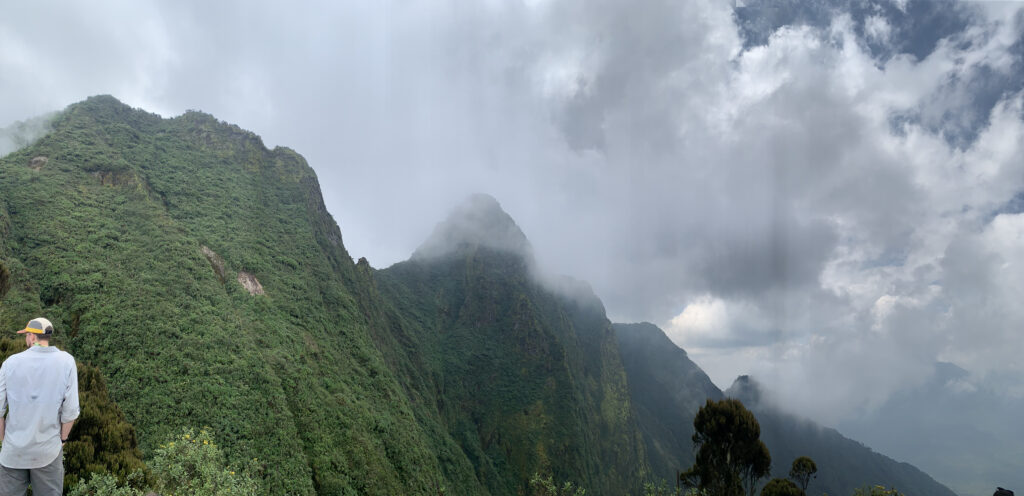
The best time to trek gorillas and wildlife in Rwanda and Congo is during the dry seasons, when trails are more navigable and animals are easier to observe. While Rwanda sees sharp tourism spikes during these months, Congo offers a steadier, less crowded flow year-round, with seasonal weather impacting trail conditions and wildlife activity differently in each country.
Optimal Visiting Periods: Dry Seasons in Rwanda and Congo
The prime time to explore gorilla and wildlife trekking in both Rwanda and Congo coincides with their dry seasons, typically from June to September and December to January to February. These months offer more accessible trails, reduced vegetation density, and gentler weather, making hiking safer and wildlife easier to spot. Visitors benefit from firmer paths and a greater chance to witness animals actively moving in the more favorable conditions.
Challenges During Rainy Seasons
Rainy periods, mainly occurring between March and May and October to November, bring heavy rainfall that often transforms trails into muddy, slippery terrain, especially in the steep volcanic regions of Rwanda and the rugged forests of Congo. These conditions increase the difficulty of trekking, sometimes restricting access to certain areas. Volcanoes National Park trails become harder to navigate, while Congo’s already challenging routes in Virunga and Kahuzi-Biega see intensified obstacles during these wet months. See more about our Kahuzi-Biega national park tour now.
Tourism Patterns: Rwanda’s Peaks vs Congo’s Steady Flow
Rwanda experiences distinct peaks in tourism during the dry seasons, with a surge of visitors heading to popular spots like Volcanoes National Park and Nyungwe Forest. This high demand requires early bookings for permits and accommodations. In contrast, Congo maintains a more consistent but generally lower number of visitors year-round, largely due to its remoteness and less developed tourism infrastructure, resulting in less crowded experiences even during optimal trekking times.
Seasonal Effects on Wildlife Activity and Sightings
Wildlife visibility varies with the seasons in both countries. In Rwanda, gorillas and chimpanzees tend to be more active and easier to observe during the dry months when food is abundant but not excessive, prompting more movement. In Congo’s dense forests, sightings depend heavily on the expertise of trackers rather than the season, though dry spells still improve the odds of successful encounters. Understanding these seasonal nuances helps travelers plan for the most rewarding wildlife experiences in each destination.
Conservation & Safety For Nature and Culture
Rwanda’s success in conserving gorillas is largely thanks to Dian Fossey’s groundbreaking work and the active participation of local communities, resulting in a stable and well-organized framework for both wildlife protection and visitor safety. Meanwhile, Congo’s conservation relies on the efforts of specialized agencies and community guardianship, facing more complex security issues but steadily enhancing ranger support and safety measures to offer a carefully managed, yet more rugged, wildlife encounter.
Conservation Initiatives and Community Engagement
Rwanda’s conservation success is deeply rooted in the legacy of Dian Fossey, whose pioneering research and protection efforts helped establish Volcanoes National Park as a global model for gorilla preservation. This strong foundation is supported by community programs that actively involve locals in safeguarding gorilla habitats and promoting eco-tourism benefits. In contrast, Congo relies heavily on organizations like the ICCN (Institut Congolais pour la Conservation de la Nature) and the Virunga Foundation to manage its parks and protect wildlife amidst more challenging conditions. Community involvement in Congo remains vital, especially in remote areas where local stewardship helps combat poaching and preserve fragile ecosystems. Amahoro tours focuses on gorilla conservation at our core.
Political Stability and Safety Measures
Rwanda’s relative political stability has allowed for consistent park management, reliable security protocols, and well-trained ranger teams who provide safe, guided gorilla trekking experiences with real-time updates on conditions. Visitors benefit from a structured approach that prioritizes both wildlife protection and tourist safety. Conversely, Congo’s security environment is more fluid, reflecting ongoing regional challenges. However, park authorities have strengthened ranger escorts and implemented advanced safety measures to ensure visitor protection, especially within Virunga and Kahuzi-Biega National Parks. While Congo’s conditions continue to improve, travelers should remain informed and prepared for a more rugged and unpredictable experience.
Rwanda and Congo Cultural Experiences & Local Communities
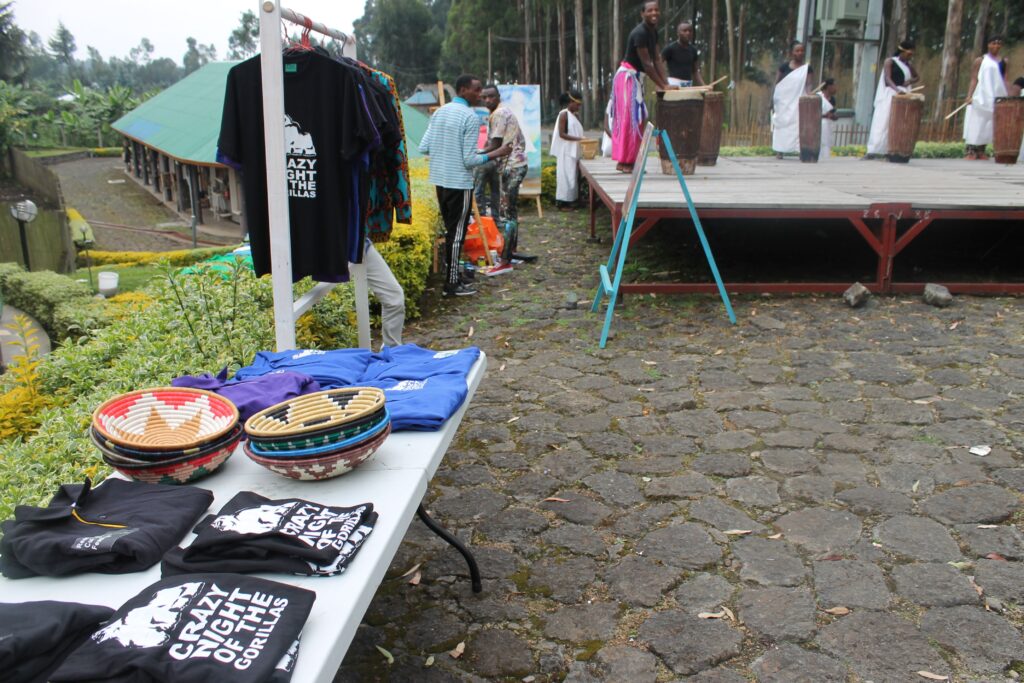
Rwanda and Congo offer immersive cultural journeys where visitors can connect deeply with local traditions, from dynamic dance performances to authentic village interactions. Engaging with these communities not only enriches the travel experience but also helps foster sustainable support for their heritage and livelihoods. Reach out to Red Rocks Rwanda to learn more about the partnership with Amahoro Tours!
Rwanda’s Cultural Highlights
In Rwanda, visitors can dive into the nation’s cultural richness through captivating Intore dance shows that blend storytelling with energetic drumming and movement. The Iby’iwacu Cultural Village offers an interactive experience where guests learn about traditional lifestyles, artisanal crafts, and local customs firsthand. Additionally, the Kigali Genocide Memorial provides a solemn space to reflect on Rwanda’s history and the strength of its people.
Authentic Cultural Experiences in Congo
Congo’s cultural offerings are often found in the villages surrounding Bukavu and Goma, where travelers can engage with tribal communities and observe their authentic ways of life. The region’s markets brim with unique handmade goods, and traditional ceremonies reveal the depth of local heritage. These encounters provide a genuine glimpse into Congolese culture, often experienced away from typical tourist routes.
Supporting Sustainable Tourism through Local Engagement
Both Rwanda and Congo create opportunities for visitors to interact meaningfully with local populations while promoting ethical tourism. By participating in cultural tours and supporting local craftspeople, travelers contribute to preserving these communities’ traditions and sustaining their economies. Such respectful engagement deepens the travel experience and encourages the protection of both cultural and natural environments.
Virunga Massif: A Shared Gorilla Habitat
The great Virunga Massif stretches across the borders of Rwanda, the Democratic Republic of Congo, and Uganda, forming a unified mountain ecosystem that shelters one of the planet’s largest populations of mountain gorillas. Its volcanic peaks and rich biodiversity not only define the region’s natural heritage but also represent a rare example of cross-border collaboration in wildlife conservation. Learn more about Virunga Massif gorilla tour packages now.
The Virunga Massif: A Mountain Range Crossing Three Nations
The Virunga Massif Park is a remarkable volcanic mountain range that spans the borders of Rwanda, the Democratic Republic of Congo, and Uganda. This region encompasses Rwanda’s Volcanoes National Park, Congo’s Virunga National Park, and Uganda’s Mgahinga Gorilla National Park, forming a continuous and vital habitat for diverse wildlife. The interconnected landscape serves as a crucial ecological bridge between these countries, fostering biodiversity and natural movement across national lines.
Shared Sanctuary for Mountain Gorillas and Joint Conservation Efforts
This massif is home to nearly half of the world’s mountain gorilla population, making it one of the most critical conservation areas globally. The gorilla groups naturally traverse the boundaries between the three countries, highlighting the need for coordinated protection efforts. Conservation agencies and governments work hand in hand to monitor and safeguard the gorillas and their habitat, emphasizing the importance of transnational cooperation to maintain this unique ecosystem.
Stunning Volcanic Terrain and Environmental Importance
The Virunga Massif features dramatic volcanic landscapes, including towering volcanoes (like Mount Nyiragongo), crater lakes, and dense forests that create an exceptional environment for wildlife. This area supports a rich array of plant and animal species, making it a hotspot for ecological diversity. The massif’s unique terrain and natural beauty underline the necessity of preserving this fragile environment through multinational collaboration to protect both its wildlife and the cultural connections that surround it.
Best Accommodations In Congo and Rwanda Pre-Trekking
Rwanda offers a broad variety of accommodations for travelers preparing for gorilla trekking, ranging from luxurious eco-lodges with premium amenities to budget-friendly guesthouses that provide convenient access to trekking departure points. In contrast, Congo has a more limited but growing selection of stays, where visitors can enjoy immersive experiences close to nature and within reach of the national park’s trailheads, blending comfort with the raw adventure of the region.
Top Places to Stay in Rwanda Before Gorilla Trekking
Travelers heading to Rwanda for gorilla trekking will find a diverse selection of accommodations catering to every level of comfort. Those seeking an upscale stay can choose from premier eco-lodges like Tiloreza Lodge or Bisate Lodge, both offering world-class amenities and spectacular views of the volcanoes. For mid-range travelers, places such as Five Volcanoes Boutique Hotel offer modern conveniences and easy access to park headquarters. Budget guests will also find plenty of guesthouses in Musanze that provide clean, cozy lodging options ideal for early morning departures into the forest.
Gorilla Trekking Stays in Congo: Comfortable and Immersive
In the Democratic Republic of Congo, accommodation options are fewer but increasingly appealing for those venturing into Virunga National Park. Moriah Hill Resort provides a peaceful retreat nestled in forest surroundings, complete with spacious bungalows and welcoming hospitality—a solid choice for travelers combining gorilla trekking with nature escapes. For those wanting to be close to the action, Bukima Camp sits near key trailheads and offers a unique tented experience in the heart of gorilla territory. Though Congo’s lodging scene is more limited than Rwanda’s, these options provide both comfort and proximity to unforgettable wildlife encounters.
Time to Choose Rwanda Gorilla Trekking vs Congo Gorilla Trekking
Deciding between gorilla trekking in Rwanda or Congo comes down to the type of experience you’re seeking—whether it’s Rwanda’s polished infrastructure and iconic Volcanoes National Park or Congo’s wilder terrain and raw adventure through Virunga. Both countries offer unforgettable encounters with mountain gorillas, each shaped by unique geography, park access, species insights, and overall travel style. Whichever path you lean toward, Amahoro Tours is here to help you navigate the options and craft a journey that fits your travel dreams. Reach out today to start planning a tailor-made gorilla trekking and safari experience that delivers exactly what you’re looking for. Contact us today with more questions on Congo Gorilla Trekking vs Rwanda Gorilla Trekking today!
See What Our Guests Are Saying