
Great Rift Valley Tour: The Ultimate Guide to Africa’s Most Spectacular Natural Wonder
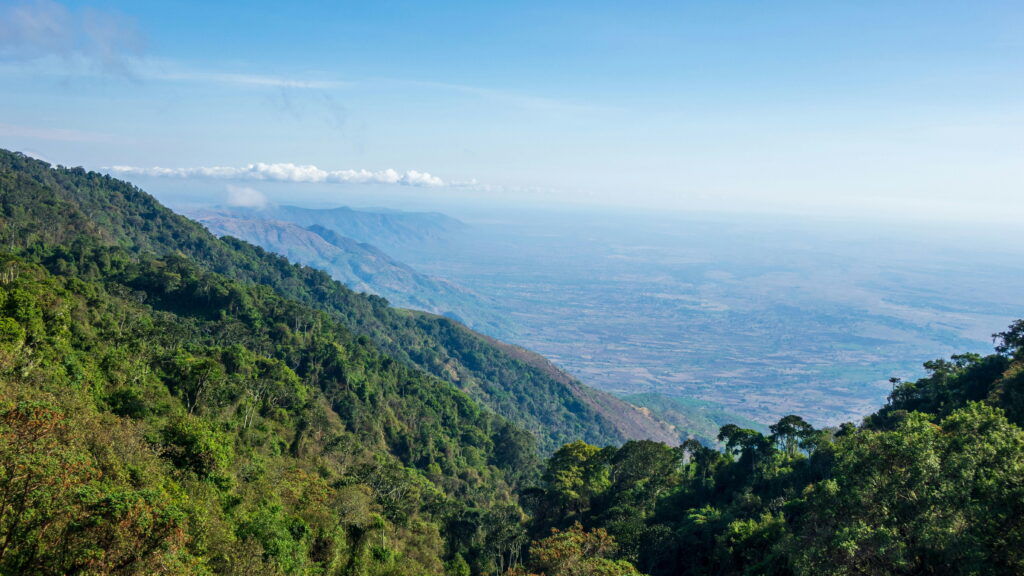
Carving its way across the heart of the continent, the Great Rift Valley is one of the most extraordinary natural wonders on Earth—and one of Africa’s most rewarding places to explore. A Great Rift Valley Tour is more than a safari; it is a journey through deep time, dramatic landscapes, and living cultures that have thrived here for millennia. From towering escarpments and vast plains/savannahs to volcanic peaks, ancient lakes, and iconic wildlife, the Great Rift Valley Africa offers an experience unlike anywhere else on the continent. In this guide, you’ll discover what makes the Great Rift Valley so unique, where it stretches across Africa, the wildlife and cultures you can encounter, and how a carefully planned tour transforms this legendary geological feature into an once-in-a-lifetime travel adventure.
What Is the Great Rift Valley?
The Great Rift Valley is one of the most dramatic natural features on Earth, stretching thousands of miles across eastern Africa and reshaping the land with towering escarpments, deep lakes, and fertile plains. Rather than a single valley, it is a vast system of fractures and basins that has transformed entire ecosystems, influenced climate patterns, and supported human life for millions of years. Its scale, beauty, and scientific importance make it a defining landmark of the African continent.
Definition and Geological Overview
Geologically, the Great Rift Valley is a massive zone where the Earth’s crust is slowly pulling apart, creating a series of valleys, plateaus, and volcanic regions. This process has unfolded over tens of millions of years, leaving behind visible layers of rock that tell a detailed story of the planet’s past. These exposed geological records allow scientists to study ancient environments, shifting climates, and the forces that continue to shape the land today.
Explanation of the Great Rift Valley Formation
The valley formed as enormous stresses within the Earth caused the crust to thin, crack, and sink in certain areas. As the ground dropped between fault lines, long troughs developed, later filling with lakes, rivers, and rich soils. This gradual separation did not happen all at once—it is an ongoing process that continues to subtly alter the landscape, making the Great Rift Valley a living example of Earth’s dynamic nature.
Tectonic Plates and Volcanic Activity
At the heart of the Great Rift Valley’s creation is the slow movement of tectonic plates drifting away from one another. As these plates separate, molten rock rises toward the surface, fueling volcanic eruptions and geothermal activity. This interaction has produced iconic volcanoes, hot springs, and mineral-rich soils, while also contributing to earthquakes that remind us the region is still geologically active.
Why Is Great Rift Valley Called the “Cradle of Humankind”
The Great Rift Valley earned its legendary title because it holds some of the oldest evidence of early human ancestors ever discovered. Fossils found within its exposed sediment layers reveal crucial stages of human evolution, from upright walking to tool use. These discoveries suggest the region provided the ideal mix of resources, climate variation, and landscapes that supported the earliest chapters of the human story.
Where Is the Great Rift Valley Located?
The Great Rift Valley cuts a powerful path through eastern Africa, carving the continent from north to south with dramatic precision. It begins in the Horn of Africa and stretches all the way toward southeastern Africa, shaping landscapes that range from arid deserts to mist-covered mountains and deep freshwater lakes. This immense geological corridor connects diverse regions through a shared story of movement, fire, and time.
Countries the Great Rift Valley Passes Through
As it travels across Africa, the Great Rift Valley weaves through multiple countries, each revealing a distinct expression of the same geological force. In every nation it touches, the rift creates unique landforms, influences wildlife habitats, and supports human communities in different ways. This continuity across borders is what makes the rift not just a natural feature, but a unifying thread across eastern and southern Africa.
Ethiopia
In Ethiopia, the Great Rift Valley is raw and elemental, defined by vast highlands, sun-scorched plains, and some of the most geologically active areas on the planet. This is where the rift dramatically opens, with visible fault lines, volcanic cones, and geothermal fields shaping a stark yet mesmerizing landscape. Ethiopia’s section of the rift offers a rare glimpse into the early stages of continental separation, where Earth’s inner forces feel close to the surface.
Kenya
Kenya’s portion of the Great Rift Valley is iconic, marked by steep escarpments, sweeping savannas, and a chain of striking lakes that shimmer across the valley floor. This region is a powerhouse of biodiversity, supporting flamingos, big cats, and vast herds of grazing wildlife. The rift here defines much of Kenya’s natural identity, blending geological drama with some of Africa’s most celebrated wildlife regions.
Tanzania
In Tanzania, the Great Rift Valley rises to legendary heights, anchoring itself near the world-famous Ngorongoro Crater and the shadow of towering volcanoes. The landscape here feels monumental, with ancient calderas, endless plains, and fertile soils shaped by past eruptions. This section of the rift plays a vital role in sustaining wildlife migrations and preserving some of the most intact ecosystems on Earth.
Uganda
Uganda’s rift landscape is lush, dramatic, and defined by water. The western edge of the Great Rift Valley forms deep basins filled by massive lakes, including Lake Albert and Lake Edward, framed by steep cliffs and rolling green hills. Uganda feels alive with contrast, where dense vegetation meets open water and the rift creates a powerful backdrop for both wildlife and human settlement.
Rwanda
In Rwanda, the Great Rift Valley takes on a more intimate yet equally intense character. The western rift edge forms the country’s dramatic border, where the Virunga mountains plunge into Lake Kivu and volcanic peaks dominate the horizon. This compact but striking section of the rift contributes to Rwanda’s reputation for breathtaking scenery, fertile land, and extraordinary biodiversity.
Malawi
Malawi is defined by the rift in a deeply personal way, as Lake Malawi fills the valley with crystal-clear waters that stretch nearly the length of the country. The surrounding hills and escarpments frame the lake, creating a landscape that feels both serene and powerful. Here, the rift supports one of the most biologically diverse freshwater systems in the world, making it a global ecological treasure.
Mozambique
In Mozambique, the Great Rift Valley’s influence becomes more subtle but no less important. As the rift system extends southward, it shapes river basins, lowlands, and coastal plains that support agriculture and wildlife. This southern reach of the rift shows how its geological legacy continues even as the dramatic cliffs soften into broader landscapes.
Eastern Rift Valley vs. Western Rift Valley
The Great Rift Valley is divided into two main branches, each with a distinct personality. The Eastern Rift is defined by active volcanism, open landscapes, and visible fault lines, while the Western Rift is deeper, greener, and dominated by massive lakes and steep escarpments. Together, these two arms showcase the full range of the rift’s power, from fiery volcanic origins to water-filled valleys that sustain life on a grand scale.
The History of the Great Rift Valley
The story of the Great Rift Valley is a deep-time narrative written into stone, water, and shifting ground. Long before modern landscapes emerged, immense forces beneath the Earth began shaping a corridor that would influence climate, ecosystems, and human development. This region’s history is not a single moment in time, but an ongoing sequence of transformation that continues to shape life across eastern Africa. The earliest chapter of the Great Rift Valley dates back tens of millions of years, when internal pressures within the planet started to stretch and weaken the Earth’s crust. As this slow tension built, the land fractured and lowered in sections, creating a complex system of valleys and elevated plateaus. These ancient processes laid the foundation for the dramatic terrain that defines the region today.
Formation Millions of Years Ago
Over vast stretches of geological time, repeated movements along fault lines caused the land to sink in stages rather than collapse all at once. This gradual separation produced long depressions bordered by rising highlands, shaping the valley’s distinctive form. The sheer age of these formations offers scientists a rare opportunity to study Earth’s evolutionary history layer by layer.
Volcanic Mountains, Escarpments, and Rift Lakes
As the crust thinned, molten rock pushed upward, giving rise to towering volcanic peaks and extensive lava fields. Steep escarpments formed where land blocks shifted vertically, while rain and groundwater collected in the deepest sections, creating enormous rift lakes, like Lake Ihema. Together, these features turned the valley into a mosaic of fire-shaped mountains, sheer cliffs, and water-filled basins.
Human Evolution and Archaeological Discoveries
The Great Rift Valley is inseparable from the story of human origins, serving as a natural archive of early life. Its exposed sediments preserved bones, tools, and environmental clues that reveal how early humans adapted to changing conditions. These discoveries have reshaped our understanding of where and how humanity began.
Early Hominid Fossils (Olduvai Gorge, Turkana Basin)
Sites such as Olduvai Gorge in Tanzania and the Turkana Basin in Kenya have yielded some of the most important hominid fossils ever found. These locations provide clear evidence of upright walking, early tool-making, and evolving brain size. The remarkable preservation found in these areas allows researchers to trace human development across millions of years with unusual clarity.
Why Scientists Call It the Birthplace of Humanity
Scientists refer to the Great Rift Valley as humanity’s birthplace because no other region has produced such a continuous and detailed record of early human evolution. The valley’s shifting landscapes created varied habitats that encouraged adaptation and survival. This combination of environmental diversity and geological exposure makes the rift unparalleled in its contribution to understanding our origins.
Cultural History and Indigenous Communities
Beyond fossils and rock layers, the Great Rift Valley has long been home to thriving human cultures. For thousands of years, communities have built their lives around its rivers, grasslands, and highlands, developing traditions deeply connected to the land. These living cultures add a human dimension to the valley’s ancient story.
Maasai, Samburu, Hadza, and Other Tribes
Indigenous groups such as the Maasai, Batwa, Samburu, and Hadza have maintained strong cultural identities within the Great Rift Valley for generations. Each community reflects a unique relationship with the environment, from pastoral herding to hunter-gatherer traditions. Their knowledge of the land offers insight into sustainable living shaped by centuries of experience.
Traditional Lifestyles and Cultural Experiences During a Great Rift Valley Tour
Traveling through the Great Rift Valley provides meaningful opportunities to engage with local cultures in authentic ways. Visitors can witness traditional practices, community conservation, learn about ancestral customs, and gain a deeper appreciation for how people continue to live in harmony with this powerful landscape. These cultural encounters enrich any journey through the valley, connecting modern travelers to both ancient history and living heritage.
What to Expect on a Great Rift Valley Safari Tour
A Great Rift Valley safari delivers an ever-changing visual experience shaped by powerful geological forces. Sheer cliff faces drop into sweeping valleys, offering elevated viewpoints that stretch for miles across the land. Ancient volcanoes and massive craters rise from the earth, while open savannahs blend into pockets of forest that thrive along the rift’s edges. Scattered throughout the valley, shimmering lakes—some mineral-rich and others fresh and life-filled—attract birds, wildlife, and striking contrasts of color that define the region’s unforgettable scenery.
Safari in Great Rift Valley and Adventure Experiences
Exploration in the Great Rift Valley goes far beyond traditional wildlife viewing. Game drives reveal animals moving freely across expansive plains, while guided walking safaris bring you closer to the ground-level details of tracks, plants, and animal behavior. On the water, boat safaris provide a quiet perspective along lake shores and river channels, offering sightings impossible to experience by vehicle. For a truly elevated view, hot air balloon safaris float above the landscape at sunrise, revealing the immense scale of the valley below.
Cultural Encounters Along the Rift Valley
Cultural experiences are a defining part of any Great Rift Valley journey, adding depth and meaning to the adventure. Visits to local villages open a window into daily life, where traditions, craftsmanship, and storytelling remain deeply rooted in the land. These interactions offer a respectful and enriching way to understand how communities have adapted to the rift’s landscapes for generations, creating a safari experience that connects nature, history, and living culture.
Animals to See in the Great Rift Valley
The Great Rift Valley supports one of the most varied wildlife populations in Africa, thanks to its mix of lakes, grasslands, forests, and volcanic highlands. This diversity allows travelers to encounter everything from apex predators to rare primates and extraordinary bird species within a single region. For safari-goers, the rift offers a dynamic wildlife experience shaped by shifting ecosystems rather than a single, uniform habitat.
Big Game Wildlife
Large mammals thrive throughout the Great Rift Valley, particularly in protected areas across Kenya, Tanzania, and Uganda. The valley’s open plains and forested edges provide ideal conditions for powerful predators and massive herbivores to coexist. Seeing big game here feels raw and authentic, with wildlife moving naturally across ancient geological landscapes. Amahoro Tours offers an incredible experience to see the Big 5 in Rwanda!
Lions
Lions are commonly found in the savannah regions of the Great Rift Valley, especially in Kenya’s Maasai Mara, Akagera lions and Tanzania’s Ngorongoro Conservation Area. These prides often hunt across open grasslands and rest along rocky outcrops that overlook the plains. Their presence adds intensity to any safari, as the rift’s terrain creates natural stages for dramatic wildlife encounters.
Leopards
Leopards favor the quieter, more secluded environments of the Great Rift Valley, where forests, riverbanks, and rocky escarpments provide perfect cover. In areas such as Lake Manyara in Tanzania and parts of western Uganda, these elusive cats are often spotted draped across tree branches or moving silently at dusk. Their adaptability makes them one of the valley’s most fascinating predators to observe.
Elephants
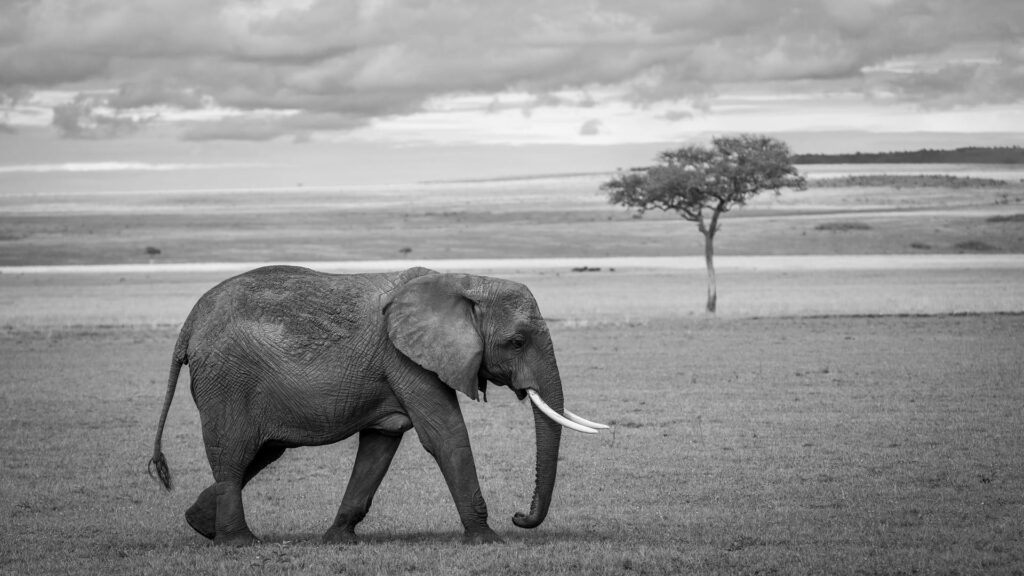
Elephants roam many sections of the Great Rift Valley, using ancient migration routes that pass between lakes, forests, and open plains. In Rwanda Elephants, Uganda’s Queen Elizabeth National Park and Kenya’s rift-adjacent reserves, large herds gather near water sources during dry seasons. Watching elephants move against the backdrop of escarpments and crater lakes is a defining safari moment.
Buffalo
African buffalo are widespread throughout the Great Rift Valley and are often seen in large, tightly knit herds. These powerful animals favor grassy floodplains and woodland edges, particularly near lakes and rivers. Their unpredictable nature and sheer presence add an element of excitement to game drives across the rift.
Rhinos
Rhinos are among the most protected and sought-after animals in the Great Rift Valley, with key populations found in sanctuaries like Lake Nakuru National Park in Kenya. Both black and white rhinos survive here under intensive conservation efforts. Spotting a rhino in the wild is a rare and memorable highlight for safari travelers.
Plains Game and Herbivores
The wide-open landscapes support vast numbers of grazing animals that form the backbone of its ecosystems. These herbivores shape the land and sustain predator populations, creating constant movement across the plains. Their presence brings energy and scale to every safari drive.
Zebras
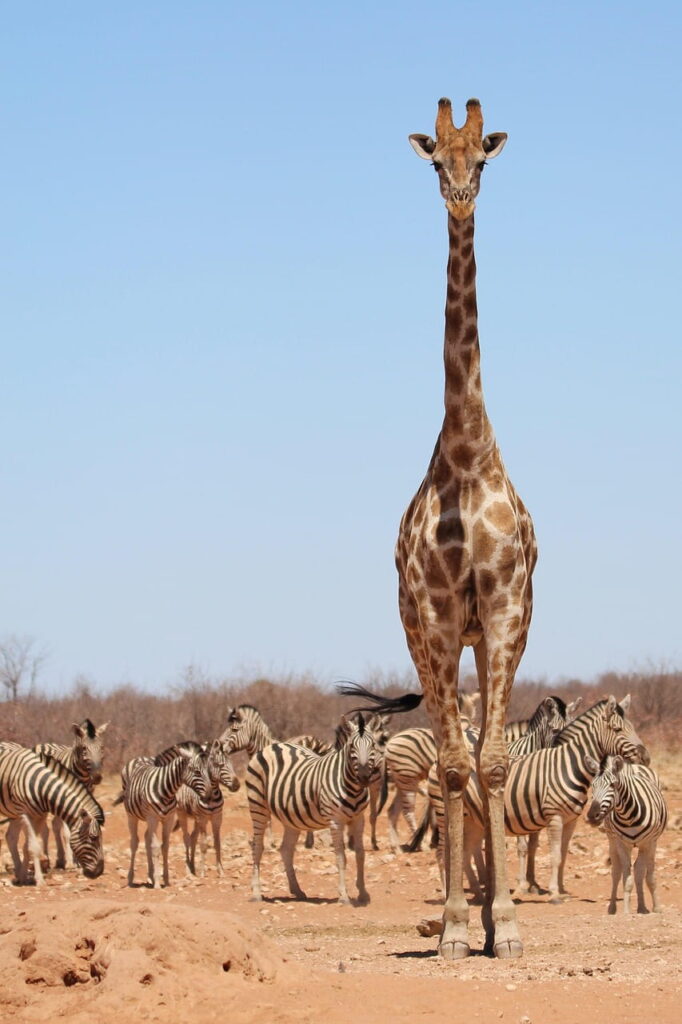
Zebras are a common sight throughout the Great Rift Valley, often traveling in large groups across open grasslands. Their striking black-and-white patterns stand out against volcanic soil and golden plains, especially in Kenya and northern Tanzania. They frequently mix with other grazing species, creating classic safari scenes.
Giraffes
Giraffes are well-adapted to the acacia-dotted landscapes of the Great Rift Valley, where they browse high above other herbivores. Rothschild’s giraffes, in particular, are found in parts of Kenya and Uganda. Watching them move gracefully along escarpments and lake shores adds a unique visual contrast to the safari experience.
Wildebeest
Wildebeest are most famously associated with large seasonal movements in rift-adjacent ecosystems like the Maasai Mara and Serengeti. During migration periods, massive herds flood the plains, filling the valley with sound and motion. Their numbers and behavior create dramatic wildlife interactions throughout the region.
Antelopes
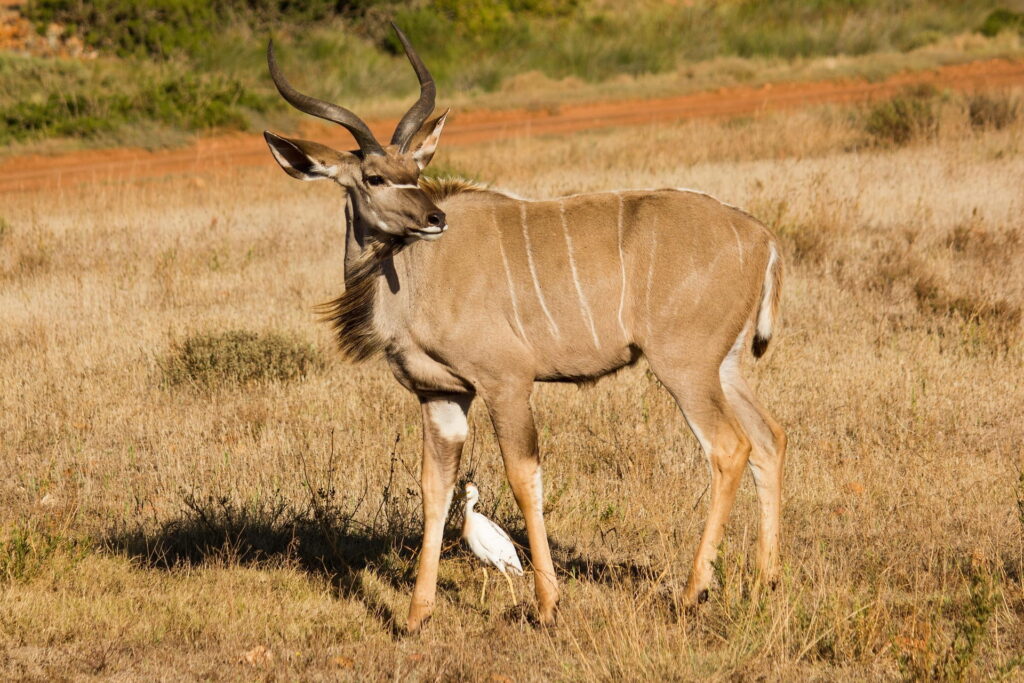
A wide variety of antelope species inhabit the Great Rift Valley, from agile impalas to massive elands. Different species occupy specific niches, including grasslands, woodlands, and rocky terrain. This variety ensures frequent sightings and highlights the valley’s ecological complexity.
Primates of the Great Rift Valley
The forested and mountainous sections of the Great Rift Valley provide critical habitat for several primate species. These areas, particularly in Uganda and Rwanda, offer safari experiences that go beyond traditional game drives. Encounters with primates bring travelers face-to-face with intelligent, social animals in dense natural settings.
Mountain Gorillas
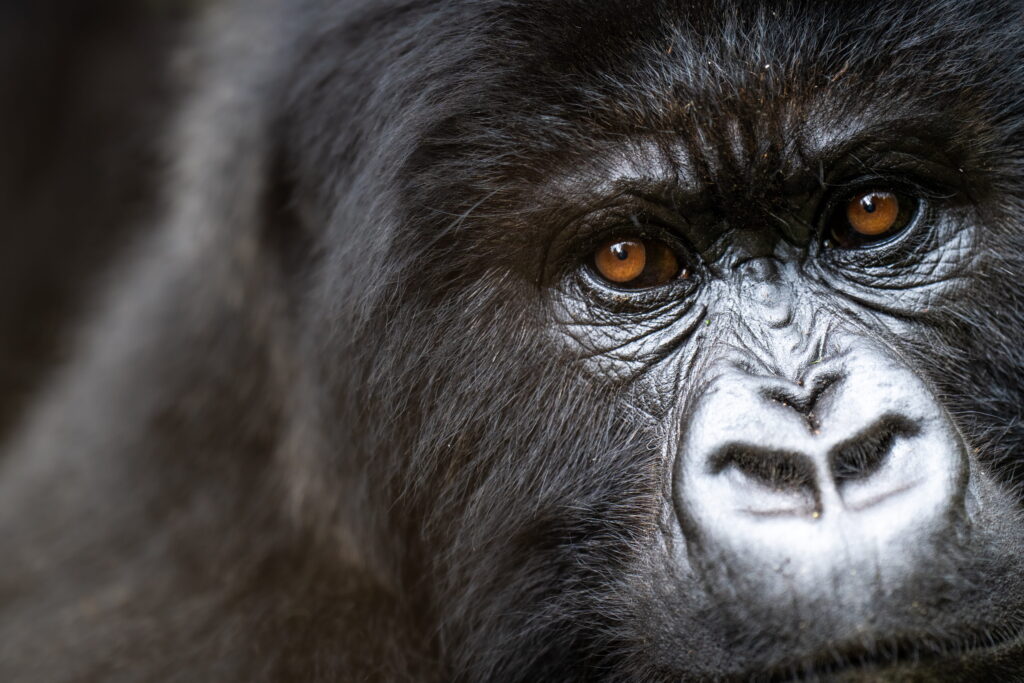
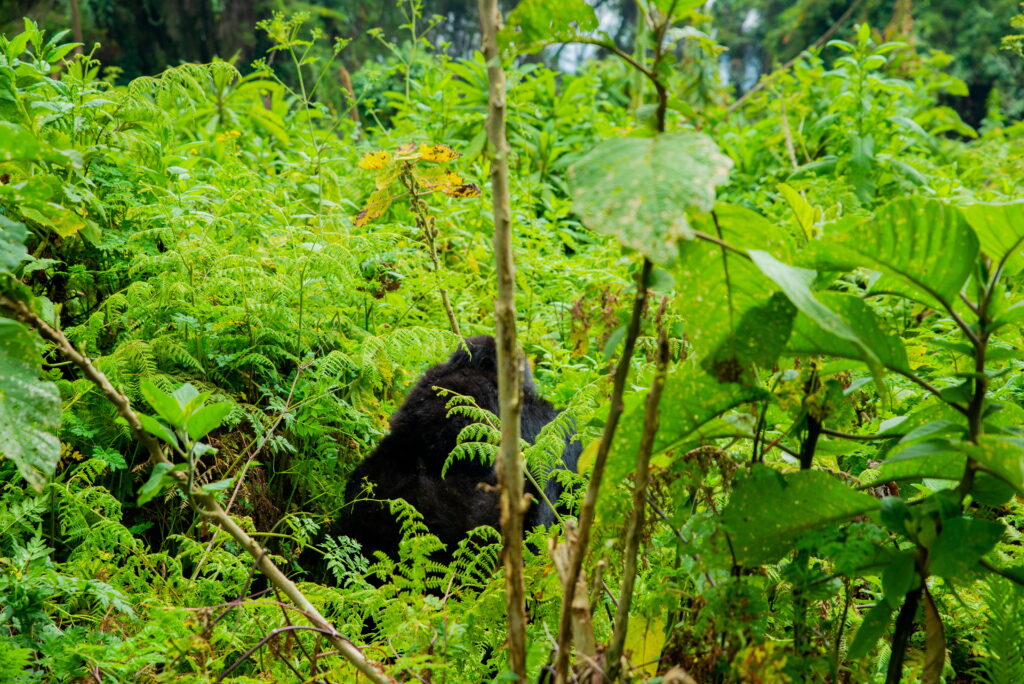
Mountain gorillas and lowland gorillas live in the volcanic highlands along the western branch of the Great Rift Valley, most notably in Rwanda and Uganda. Best gorilla trekking Rwanda allows visitors to track these powerful yet gentle animals through mist-covered forests. This experience is often described as one of the most moving wildlife encounters on Earth.
Chimpanzees
Chimpanzees inhabit the forest corridors of the Great Rift Valley, especially in Uganda’s Kibale Forest and surrounding regions. Known for their complex social structures and vocal communication, chimps are often heard before they are seen. Tracking them on foot offers an immersive and energetic wildlife experience.
Baboons and Monkeys
Several monkey species, including olive baboons, golden monkeys and vervet monkeys, are widespread throughout the Great Rift Valley. These primates are frequently seen along roadsides, riverbanks, and forest edges. Their constant activity adds life and character to safari drives and walking excursions.
Birdlife in the Great Rift Valley
The Great Rift Valley is one of Africa’s most important birding regions, supporting hundreds of resident and migratory species. Its lakes, wetlands, swamps, forests, and grasslands create ideal conditions for birdlife year-round. For travelers, bird sightings often become an unexpected highlight of the journey.
Flamingos (Lake Nakuru, Lake Bogoria)
Flamingos are among the most iconic birds of the Great Rift Valley, particularly at alkaline lakes such as Lake Nakuru and Lake Bogoria in Kenya. When conditions are right, thousands gather along the shorelines, turning the water’s edge shades of pink. These gatherings create some of the most photographed scenes in African wildlife travel.
Pelicans
Pelicans thrive in the freshwater and alkaline lakes scattered throughout the Great Rift Valley. Their large wingspans and cooperative fishing behavior make them easy to observe from boat safaris and lake viewpoints. They are especially common in areas with abundant fish populations.
Raptors
Birds of prey are a constant presence in the skies above the Great Rift Valley. Eagles, hawks, and vultures soar along thermal currents rising from the escarpments. Their visibility adds a dramatic aerial element to safari experiences across the region.
Endemic Bird Species
The Great Rift Valley is home to several bird species found nowhere else in the world. These endemics are closely tied to the valley’s unique habitats, including volcanic slopes and isolated forests. For nature-focused travelers, spotting these rare birds adds a rewarding layer to any safari or tour.
National Parks and Reserves in the Great Rift Valley
The Great Rift Valley is not defined by a single park, but by a collection of world-class protected areas that trace its geological path through East Africa. At Amahoro Tours, we design journeys that follow this ancient corridor, connecting wildlife-rich plains, volcanic highlands, and rift lakes into one seamless experience. These parks are positioned along both the eastern and western branches of the rift, each offering a distinct landscape and safari style.
Top Great Rift Valley National Parks
 The most celebrated parks of the Great Rift Valley sit directly within rift basins, along escarpments, or at the base of volcanic formations. These locations benefit from fertile soils, reliable water sources, and natural migration routes that attract exceptional wildlife. Amahoro Tours focuses on these parks because they deliver consistent game viewing while showcasing the dramatic terrain that defines the rift itself.
Serengeti National Park
Located along the eastern edge of the Great Rift Valley in northern Tanzania, Serengeti National Park forms part of the broader rift ecosystem. Its vast plains were shaped by ancient volcanic activity originating from the Ngorongoro highlands. When we include the Serengeti in a Great Rift Valley itinerary, guests experience sweeping landscapes where wildlife moves freely across terrain influenced by the rift’s geological past.
Ngorongoro Conservation Area
The Ngorongoro Conservation Area lies directly within the eastern branch of the Great Rift Valley in northern Tanzania. Its massive caldera was formed by volcanic collapse, creating a natural wildlife enclosure unlike anywhere else in Africa. Amahoro Tours considers Ngorongoro essential for travelers who want to see dense wildlife populations set within a clearly visible rift-driven formation.
Lake Nakuru National Park
Lake Nakuru National Park sits on the floor of Kenya’s eastern rift, surrounded by steep escarpments that funnel wildlife toward the lake. This park is especially important for rhino conservation and birdlife, thriving in the mineral-rich environment created by the rift. Our tours highlight Nakuru for its compact size, dramatic scenery, and reliable sightings.
Lake Naivasha
Lake Naivasha is a freshwater lake positioned within Kenya’s Great Rift Valley, northwest of Nairobi. Unlike alkaline rift lakes, Naivasha supports dense vegetation, hippos, and a thriving bird population. Amahoro Tours often pairs Lake Naivasha with nearby parks to offer guests boat-based wildlife viewing in the heart of the rift.
Lake Bogoria
Lake Bogoria lies along the eastern branch of the Great Rift Valley in Kenya and is known for its geothermal activity. Hot springs and geysers line the shoreline, a direct result of tectonic movement beneath the valley floor. We include Lake Bogoria for travelers interested in the raw geological energy of the rift combined with remarkable bird concentrations.
Hell’s Gate National Park
Hell’s Gate National Park is located within Kenya’s Great Rift Valley, near Lake Naivasha. Unlike most safari parks, it allows walking and cycling, giving visitors an up-close experience with rift cliffs, gorges, and volcanic rock formations. Amahoro Tours recommends Hell’s Gate for travelers who want adventure layered onto classic safari scenery.
Queen Elizabeth National Park
Queen Elizabeth National Park sits squarely within the western branch of the Great Rift Valley in Uganda. The park stretches between Lake Edward and Lake George, both rift lakes formed by tectonic movement. This location creates a rare blend of savannah, wetlands, and crater lakes that we proudly feature in our Uganda safari itineraries.
Murchison Falls National Park
Murchison Falls National Park lies at the northern end of the western rift system in Uganda, where the Nile cuts through a narrow rift escarpment. The park’s dramatic waterfall is the result of geological compression along the rift’s edge. Amahoro Tours includes Murchison Falls for its combination of river safaris, big game, and powerful landscapes.
Volcanoes National Park
Volcanoes National Park is located within the Virunga Mountains along the western branch of the Great Rift Valley in Rwanda. This volcanic chain was formed by tectonic activity associated with the rift, creating fertile slopes and dense forests. As Volcanoes National Park gorilla trekking specialists, Amahoro Tours considers this park one of the most profound wildlife experiences in the entire rift system.
Hidden Gems and Lesser-Known Parks Near the Great Rift Valley
Beyond the well-known parks, the Great Rift Valley is surrounded by lesser-visited destinations that offer equally compelling experiences. These areas are often quieter, more remote, and deeply shaped by the same geological forces. Our Rwanda tours introduces these locations to travelers seeking something beyond the traditional safari route.
Lake Turkana
Lake Turkana lies in northern Kenya within the eastern branch of the Great Rift Valley and is the world’s largest desert lake. Its remote location and volcanic shoreline create an otherworldly environment unlike anywhere else in Africa. We recommend Lake Turkana for adventurous travelers interested in geology, culture, and isolation.
Rwenzori Mountains National Park
Rwenzori Mountains National Park rises along the western rift between Uganda and the Democratic Republic of Congo. Unlike volcanic ranges, these mountains were formed by uplift associated with rift movement. Amahoro Tours includes the Rwenzoris for travelers drawn to dramatic alpine scenery within the broader Great Rift Valley region.
Lake Malawi National Park
Lake Malawi National Park is located at the southern end of the Great Rift Valley in Malawi, where the valley opens into a vast freshwater basin. The lake fills a deep rift depression and supports extraordinary aquatic biodiversity. This destination is ideal for travelers who want to experience the rift in a more relaxed, water-focused setting.
Best Time to Visit the Great Rift Valley
The Great Rift Valley can be visited throughout the year, but the experience varies depending on the months you choose to travel. From June through October, conditions are generally drier and more predictable, while November through May brings seasonal rains that transform the landscape. Because the rift stretches across multiple countries and elevations, understanding monthly weather patterns helps travelers plan a trip that aligns with their safari and touring goals.
Dry Season (Best for Safaris)
The dry season, which typically runs from June to October, is considered the best time for classic Great Rift Valley safaris. During these months, vegetation becomes thinner and wildlife gathers around permanent water sources, making animals easier to spot. July, August, and September are especially popular for game drives, offering excellent visibility and reliable road conditions across many rift locations.
Green Season (Best for Scenery and Birding)
The green season spans from November through May and brings fresh growth and renewed color to the Great Rift Valley. Short rains often fall in November and December, while heavier rainfall is more common from March to May. These months are ideal for birdwatching, as migratory species arrive in large numbers, and the scenery becomes lush across crater lakes, hills, and forested regions.
Best Time for Specific Experiences
Certain highlights of the Great Rift Valley are closely tied to specific months. The Great Migration is most active near rift-adjacent ecosystems between July and October, while flamingo populations often increase after seasonal rains in January, February, and November. Gorilla trekking in the western branch of the rift is available year-round, though June through September usually offers more comfortable trekking conditions.
Great Rift Valley Weather and Temperature Throughout the Year
Weather in the Great Rift Valley remains relatively moderate throughout the year, with changes driven more by rainfall than by extreme temperatures. Daytime conditions are generally warm and pleasant in every season, while evenings can cool noticeably, especially between June and August. Rainfall patterns, rather than heat, tend to have the greatest impact on travel plans.
Average Temperatures by Region
Temperatures vary by elevation across the Great Rift Valley. Lowland areas are typically warmest from December through March, particularly in open savannah regions. Highland and volcanic zones remain cooler year-round, with the coolest mornings often occurring between June and August, while areas near rift lakes experience more stable and mild conditions.
Monthly Temperature Overview
Across most Great Rift Valley destinations, daytime temperatures stay comfortable in all months, while nighttime temperatures drop more significantly during the dry season. June through September often brings crisp mornings, especially in higher elevations. Rainfall is most concentrated from March to May, while January, February, and August are often marked by clearer skies and good visibility.
How Climate Affects Your Great Rift Valley Tour
Seasonal climate plays a key role in shaping a Great Rift Valley tour. Heavier rains between March and May can affect road conditions in remote areas, while the drier stretch from June through October supports smoother travel between parks. Wildlife movement also shifts by month, with animals spreading out during wetter periods and clustering near water sources during the dry season, influencing safari experiences throughout the year.
Health and Safety Tips for Great Rift Valley
-
Vaccinations:
-
Yellow Fever (required for entry in some countries)
-
Hepatitis A & B
-
Typhoid
-
Tetanus
-
Polio
-
Rabies (if you plan to interact with animals)
-
Meningitis (depending on region and season)
-
Routine vaccines (MMR, influenza, etc.)
-
-
Malaria Prevention:
-
Take prescribed anti-malarial medication before, during, and after your trip
-
Use insect repellent containing DEET or picaridin
-
Sleep under mosquito nets or in accommodations with screened windows
-
Wear long-sleeved clothing in the evenings and early mornings
-
-
Travel Insurance:
-
Ensure coverage includes medical emergencies and evacuation
-
Include protection for adventure activities like gorilla trekking, safari drives, and water excursions
-
Verify coverage for trip cancellations, delays, and lost luggage
-
Great Rift Valley Tour Packages – Amahoro Itineraries
Step into the heart of the Great Rift Valley and feel your spirit come alive amidst its breathtaking landscapes, from misty forests and rolling savannahs to shimmering lakes and volcanic peaks. Every moment with Amahoro Tours is an invitation to connect deeply—with strong gorillas, intelligent chimpanzees, the Rift Valley Big Five, and warm local communities—leaving you inspired, exhilarated, and carrying memories that stir the soul long after the journey ends.
3 Day Akagera Rift Valley Safari Tour
Immerse in the breathtaking beauty of Rwanda on this 3-day Akagera Safari Tour, where the rolling hills and vast savannas of the Great Rift Valley set the stage for unforgettable wildlife adventures. Over two nights, you’ll explore Akagera National Park’s diverse ecosystems, from shimmering Lake Ihema and vibrant marshlands to open grasslands alive with elephants, giraffes, zebras, and the elusive shoebill stork. Enjoy thrilling game drives, a serene boat tour, and an enchanting night safari, all guided by experienced rangers who bring the park’s wildlife and landscapes to life. With Amahoro Tours handling all accommodations, meals, and transportation, you can fully focus on capturing the region’s natural wonders and creating memories that will last a lifetime. This safari is your gateway to experiencing the Great Rift Valley’s dramatic scenery, rich biodiversity, and the heart of Rwanda like never before.
5 Day Uganda Gorilla and Great Rift Valley Tour Package
Custom and Luxury Great Rift Valley Tours
For tourists seeking a more personalized experience, custom and luxury Great Rift Valley tours offer unmatched flexibility and comfort. Private luxury safaris allow guests to explore wildlife-rich parks at their own pace, while fly-in safaris provide seamless access to remote rift destinations, minimizing travel time and maximizing adventure. Honeymoon packages combine luxury lodges, exclusive experiences, and intimate settings along crater lakes and volcanic highlands, creating a once-in-a-lifetime journey tailored to every traveler’s preferences.
Photography in the Great Rift Valley
The Great Rift Valley is a photographer’s paradise, offering breathtaking landscapes and unparalleled wildlife encounters. Visitors can capture dramatic escarpments, volcanic peaks, and shimmering lakes from iconic viewpoints, while game drives provide opportunities to photograph lions, elephants, and giraffes in their natural habitats. Optimal lighting for photography often occurs at dawn and dusk, when soft, golden tones highlight the rift’s contours and add depth to every shot, ensuring images that truly reflect the valley’s majesty.
Sustainable Tourism and Conservation in the Great Rift Valley
Sustainability is a cornerstone of any responsible Great Rift Valley tour. Conservation challenges, including habitat loss and human-wildlife conflict, require careful planning and support from visitors. Community-based tourism initiatives provide income and educational opportunities for local populations while preserving natural resources. Travelers can contribute to sustainability by choosing eco-conscious lodges, respecting wildlife, and participating in guided tours that prioritize environmental protection, ensuring the valley’s landscapes and wildlife remain vibrant for generations to come.
Frequently Asked Questions About the Great Rift Valley
-
Is the Great Rift Valley safe to visit?
-
Yes, the Great Rift Valley is considered safe for visitors when explored through established parks, guided tours, and reputable operators. Most travelers visit the rift as part of organized safaris or cultural tours, where experienced guides manage logistics, wildlife awareness, and local conditions. As with any international destination, safety improves significantly when travelers follow guidance, respect local customs, and travel with knowledgeable professionals.
-
-
How long is the Great Rift Valley?
- The Great Rift Valley stretches for roughly 6,000 kilometers, running from the Middle East through eastern Africa and continuing into southeastern Africa. In Africa alone, it spans multiple countries, forming a vast geological system rather than a single continuous valley. Its immense length is one of the reasons it supports such a wide range of landscapes, climates, and wildlife habitats.
-
Can you see the Big Five in the Great Rift Valley?
- Yes, it is possible to see all members of the Big Five within the Great Rift Valley, though sightings depend on the specific parks and regions visited. Lions, elephants, and buffalo are widespread across rift ecosystems, while rhinos are protected in select reserves and leopards are more elusive. Visiting multiple rift locations increases the chances of seeing all five species in natural settings. We recommend our tours in Rwanda to see the Big 5.
-
Which country has the best Great Rift Valley tour?
- There is no single “best” country for a Great Rift Valley tour, as each offers a different experience shaped by its landscapes and wildlife. Kenya and Tanzania are ideal for classic savannah safaris and dramatic rift scenery, while Uganda and Rwanda excel in primate experiences along the western rift. The best choice depends on whether travelers prioritize big game, primate trekking, birdlife, or a combination of experiences across multiple countries.
Schedule Your Great Rift Valley Safari In Africa Now
Your journey through the Great Rift Valley is waiting, and there has never been a better time to explore this extraordinary region. From the sweeping savannahs of Kenya and Tanzania to the lush volcanic highlands of Rwanda and Uganda, every step reveals dramatic landscapes, iconic wildlife, and rich cultural encounters that only the rift can offer. With Amahoro Tours, you can experience the Big Five, one day gorilla trek in Rwanda, witness flamingo flocks on shimmering lakes, and visit indigenous communities—all carefully curated for comfort, safety, and Rwanda gorilla trekking tours. Don’t let this incredible corridor of nature and history remain a dream—book your Great Rift Valley tour today and turn awe-inspiring landscapes into memories that will last a lifetime. Book your tour today!
See What Our Guests Are Saying
 This is THE best tour company in Rwanda! - My husband and I had the absolute best experience with Amahoro Tours and highly recommend you book your Rwanda trip with them. Amos was extremely helpful and we fell in... read more

 travel_more202
January 10, 2026
Great experience, trip of a lifetime! - From our first contact with Mercy at Amahoro tours, I felt that she understood what my travel objectives were and really helped my hone in on creating the perfect “bucket... read more
 jennfagain
May 21, 2026
Short personalized tour in Rwanda - My wife and I had an excellent experience with Amahoro Tours for our short personalized tour in Rwanda. We were in Kigali for work and had a short time to... read more
 Randy S
June 4, 2025