
The Batwa People: A Unique Tribe at the Heart of Africa’s Biodiversity
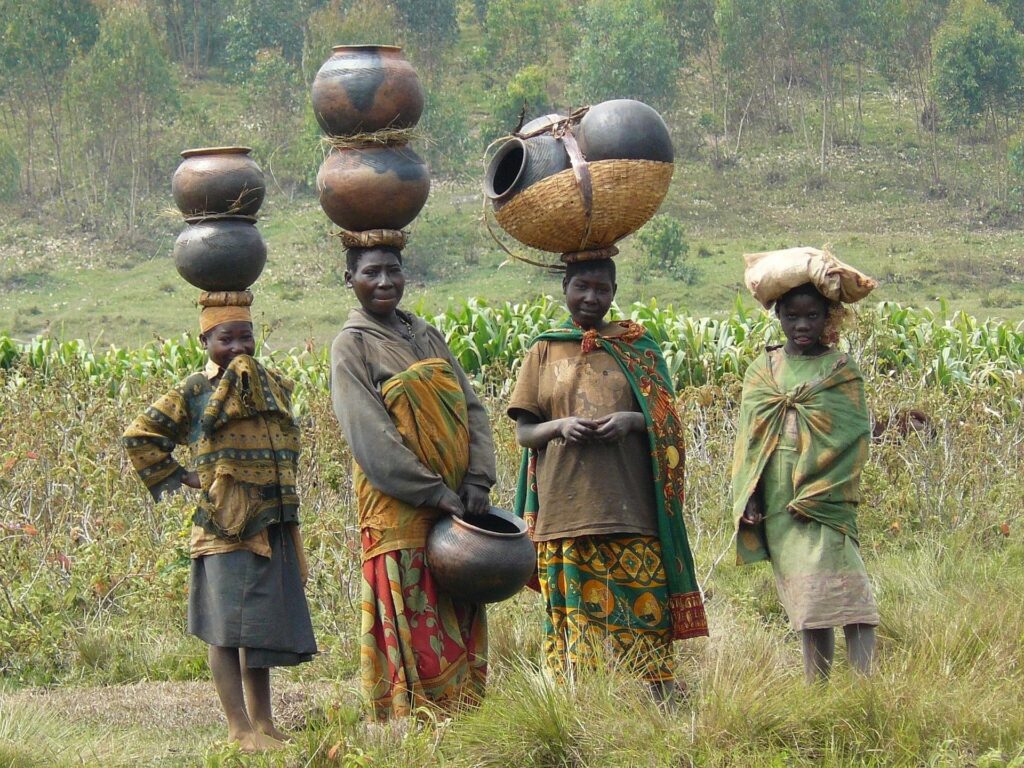
The Batwa people, one of Africa’s oldest indigenous groups, hold a deep cultural significance that spans centuries. Nestled in the breathtaking landscapes of Central Africa, particularly in the dense forests of the Virunga Mountains, the Batwa’s rich heritage is intertwined with the land and its diverse wildlife. Known for their intimate connection with the environment, these forest dwellers offer a window into a way of life that is as ancient as the towering peaks around them. Their culture, steeped in tradition, storytelling, and unique customs, continues to captivate the world, making the Batwa a vital part of Africa’s history and biodiversity. Learn more about the Batwa people before the best gorilla trekking tours in Rwanda and Uganda from Amahoro Tours!

The Virunga Mountain People: The Batwa
The Batwa people play a vital role in preserving Africa’s cultural heritage and environmental balance. As one of the oldest indigenous communities, their deep connection to the forests of Uganda, Rwanda, and the DRC has allowed them to protect biodiversity for centuries. Their unique knowledge of the land and its wildlife, including the mountain gorillas, is invaluable in conservation efforts. Supporting the Batwa through respectful tourism helps preserve their culture and the environment they’ve long protected. By engaging with their heritage, visitors can contribute to the protection of this remarkable community and the surrounding natural landscapes.
What Are The Batwa People Important to Africa
Batwas are crucial to Africa due to their ancient cultural heritage and connection to nature. As one of the oldest indigenous groups, they preserve a unique history that enriches the continent. Their profound understanding of the forests in DRC, Rwanda and Uganda makes them essential environmental guardians. The Batwa’s knowledge of sustainable practices has long helped maintain biodiversity in the region. Their traditions, language, and lifestyle offer valuable insights into Africa’s diverse cultures and history. In a rapidly changing world, the Batwa’s resilience is a reminder of the importance of cultural and ecological preservation.
Geographic Location of the Batwa
The Batwa people primarily reside in the lush, dense forests of Central Africa, spanning across Rwanda, Uganda, and the Democratic Republic of Congo (DRC). These regions are famous for their rich biodiversity, particularly the Virunga Mountains, which have been home to the Batwa for countless generations. Nestled in this vibrant environment, the Batwa have developed a unique way of life, closely tied to the land and the natural resources around them. Despite their small population, they hold an essential role in the ecological and cultural makeup of this area.
Historical Background of the Batwa as Forest Dwellers
The Batwa are recognized as one of Africa’s oldest indigenous communities, having lived in the forests of the Virunga Mountains for centuries. Their survival and traditions have been deeply intertwined with the forests that surround them, forming a bond that goes beyond physical necessity. The forests have provided them with shelter, food, and medicinal plants, shaping their way of life for generations. For the Batwa, the land is not just where they live, but it is also central to their spirituality and identity, holding profound cultural significance.
Traditional Role as Hunters, Gatherers, and Forest Keepers
Traditionally, the Batwa were skilled hunters, gatherers, and protectors of the forest, relying on the land for their survival. Their knowledge of the forests was unparalleled, using their understanding of nature to hunt for food and collect medicinal plants and fruits. They also played a crucial role as guardians of the environment, ensuring the protection and sustainability of the forest’s resources. With a profound respect for nature, the Batwa maintained a balance between using the forest’s bounty and preserving its delicate ecosystems for future generations.
 The Batwa’s Cultural Practices and Beliefs
The Batwa’s customs, art, and music showcase a vibrant culture deeply connected to their natural surroundings and ancestral heritage. Their spiritual reverence for nature shapes their rituals, marking significant life events with community-based ceremonies that honor their beliefs.
Batwa Customs, Traditional Dress, Art, and Music
The Batwa’s customs are deeply ingrained in their cultural identity, with their traditional attire reflecting both function and tradition. Their clothing, often made from plant fibers and animal skins, helps them blend seamlessly with their natural surroundings. Their artistic expressions are showcased through hand-carved wooden sculptures, colorful beadwork, and pottery, each piece telling stories passed down through generations. Music holds a central place in Batwa culture, with rhythmic drumming, vocal harmonies, and dances that celebrate life events, community, and ancestral history. These customs serve to preserve their unique identity and forge a strong bond with their environment.
Spiritual Connection with Nature and Ancestors
Nature plays a central role in the spiritual life of the Batwa people, who view the forest as a sacred entity. The forest is not merely a place to live but is thought to be a source of spiritual power, with trees, rivers, and animals representing spirits of ancestors. Batwa people often seek guidance from the forest’s natural elements, believing that these spirits protect them and ensure balance in their lives. Their deep respect for the environment stems from a belief that humans and nature are intertwined, and their actions must honor the earth to maintain this spiritual harmony.
Beliefs and Rituals Surrounding Birth, Marriage, and Death
For the Batwa, birth, marriage, and death are celebrated and respected as vital life transitions within the community. When a child is born, elaborate rites are performed to welcome the newborn into the world and secure their spiritual protection. Weddings are marked by community-wide ceremonies, where rituals reflect the sacred bond between families and their ancestors. Death is honored through ceremonies that help guide the spirit of the departed into the afterlife, reinforcing the Batwa’s belief in the eternal connection between the living, the dead, and the ancestors. These practices ensure that each life stage is deeply rooted in cultural and spiritual significance, with the community coming together to share in these sacred moments.
The Batwa People and the Forest: A Symbiotic Relationship
The Batwa’s deep connection to the forest shapes their survival and spiritual identity, making it essential to them. Their everyday life relies on the forest for food, shelter, and medicine, strengthening their bond with nature. This relationship is not only about survival but reflects a spiritual and cultural harmony with the land. The forest is central to the Batwa’s worldview, where their identity and existence are intrinsically linked to it.
The Impact of Deforestation on the Batwa Lifestyle
Deforestation has drastically altered the Batwa’s environment, leading to the loss of resources vital to their survival. Land encroachment and environmental destruction threaten their cultural heritage, forcing them to adapt to new living conditions. With fewer forests, the Batwa face challenges in maintaining their traditional lifestyle and connection to the land. The loss of forested areas deeply impacts their sense of community and disrupts their ancestral ways of life.
The Batwa’s Knowledge of Biodiversity and Gorillas
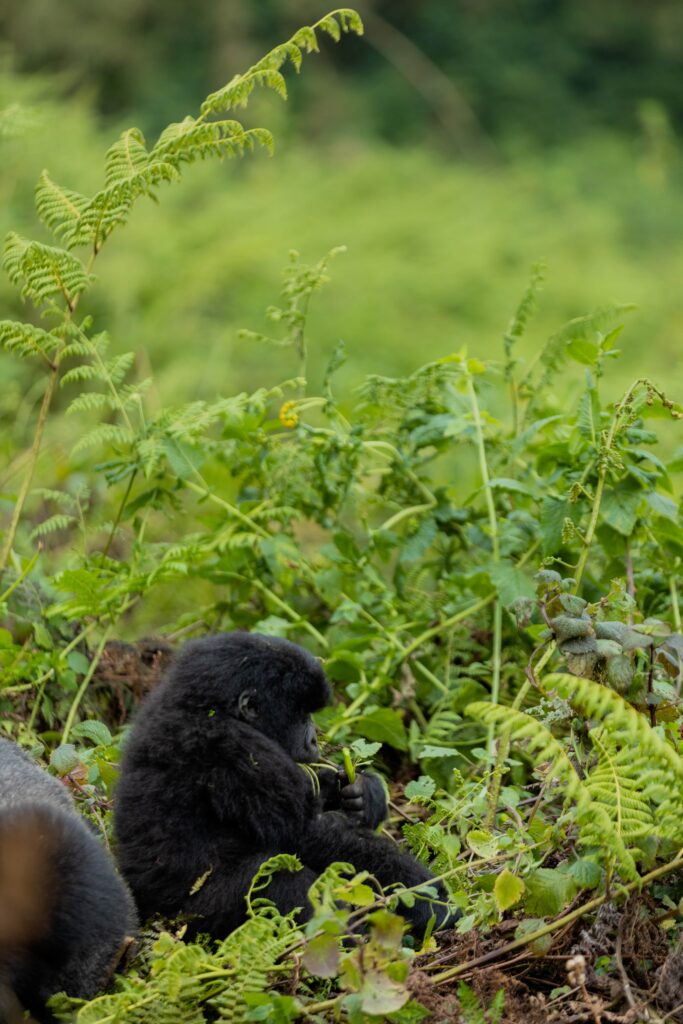
The Batwa possess extensive knowledge of the local ecosystem, from plants to animals, gained through generations of experience. Their relationship with the land is built on a deep respect for nature, passed down in their culture. In the Virunga region, the Batwa have coexisted with mountain gorillas for centuries, understanding their behaviors and habitats. This shared history with gorillas highlights the Batwa’s integral role in preserving biodiversity and maintaining the balance of their environment.
A Unique Connection: The Batwa and Gorillas
This African tribes’ long-standing connection with gorillas in the Virunga Mountains reflects a deep, shared understanding of nature. However, land loss has weakened this bond, complicating conservation efforts and diminishing their role as guardians.
The Batwa’s Ancestral Ties to Gorillas and Historical Coexistence
The Batwa’s bond with gorillas in the Virunga Mountains is an ancient connection, shaped by centuries of shared life. Deep within the forests, they have lived alongside these magnificent primates, understanding their behaviors and movements. This unique relationship symbolizes mutual respect between humans and gorillas, grounded in the Batwa’s profound connection to nature. As stewards of the land, the Batwa’s ancestral knowledge reflects a shared existence where humans and gorillas thrive together.
The Batwa’s Understanding of Gorilla Behavior and Role as Guides
For generations, the Batwa’s wisdom of the forest has made them irreplaceable guides in gorilla conservation efforts. Their unrivaled knowledge of animal behavior, particularly gorillas, allowed them to interpret signs others couldn’t see. Serving as expert trackers, the Batwa helped conservationists navigate the dense Virunga forests, locating gorillas and ensuring their protection. Their expertise bridged the gap between wildlife and researchers, fostering conservation efforts that depended heavily on the Batwa’s insight and understanding.
The Decline in Batwa Land Access and Its Impact on Gorillas and Conservation
The loss of the Batwa’s traditional land has strained their relationship with the Virunga mountain gorillas they once helped protect. With reduced access to their ancestral forests, the Batwa no longer have the same intimate connection to gorilla habitats. This disruption has hurt conservation efforts, as the Batwa were once guardians of both the land and its wildlife. Without the Batwa’s guidance, protecting gorillas becomes more challenging, and the delicate balance between people and wildlife is weakened.
The Impact of Modernization on the Batwa
The Batwa people face significant challenges today, including displacement, limited access to education, and inadequate healthcare services. Their ancestral lands are increasingly threatened by the growth of tourism and agriculture, putting their culture at risk. The Batwa fight to preserve their traditions, but encroachment by modern society complicates this struggle. Governments and NGOs are working to integrate them into national systems while preserving their unique cultural heritage. However, balancing modernization with respect for their customs remains a complex and ongoing challenge for both the Batwa and external organizations.
Batwa People Advocacy and Rights
Local and global organizations are working hard to advocate for the Batwa people’s rights and cultural preservation. Key efforts focus on securing land rights, improving education, healthcare access, and fostering economic empowerment within Batwa communities. Some Batwa groups have successfully maintained their cultural identity despite the challenges of modern life. These communities show resilience, balancing tradition with the realities of contemporary society. The support provided by these organizations plays a crucial role in preserving Batwa culture while promoting progress and opportunity. With ongoing efforts, the Batwa people’s future can remain rooted in both tradition and modern development.
Eco-Tourism and the Batwa’s Role in Conservation
This wonderful people are at the heart of eco-tourism, particularly through their incredible role in mountain gorilla conservation trekking in Rwanda. By guiding tourists, they showcase their rich cultural heritage while contributing to the crucial conservation of wildlife. This unique connection not only preserves their traditions but also helps protect the breathtaking environment they’ve called home for centuries. Eco-tourism provides a platform for the Batwa to share their deep knowledge of the land, enriching the experience for visitors. While navigating the delicate balance between cultural preservation and tourism, the Batwa remain dedicated to sustainable practices that honor both nature and their ancestors. Despite challenges, their involvement in conservation ensures both environmental sustainability and cultural resilience for future generations.

How To See The Batwa People with Amahoro Tours
The Batwa face ongoing challenges in safeguarding their cultural identity while adapting to changing social and environmental realities. Raising global awareness can create positive change, offering opportunities for growth while preserving their unique heritage.
4 Day Uganda Gorilla Trekking + Batwa People
This 4-day Uganda Gorilla Trekking tour offers an exciting adventure through Bwindi Impenetrable Forest, renowned for its gorilla tracking experiences. Guests will also immerse in Batwa culture, meeting the indigenous community and learning about their rich heritage. The journey includes thrilling encounters with mountain gorillas, guided by expert trackers, and opportunities to explore Uganda’s diverse biodiversity. With return flights, cultural visits, and unforgettable wildlife experiences, this tour promises memories that will last a lifetime. Book your tour today with Amahoro Tours for an adventure that connects you to nature and culture in profound ways.
Uganda and Rwanda Gorillas and Golden Monkeys (Also 4 Days)
Set off on an unforgettable 4-day Uganda and Rwanda adventure that combines the wonders of wildlife, culture, and nature, starting in Rwanda and continuing into Uganda. Explore Kigali, Rwanda’s lively capital, before crossing the border into Uganda to witness the awe-inspiring mountain gorillas in their natural habitat at Bwindi Impenetrable Forest. Along the way, experience the rich culture of the Batwa people, learning about their deep connection to the land. This extraordinary tour offers the chance to engage with local communities and enjoy the stunning landscapes, all while creating memories that will last a lifetime.
Book A Tour and Meet the Batwa Tribe Today
Engaging with the Batwa people on your gorilla tour in Uganda is not only a powerful cultural experience but also an opportunity to support their ongoing efforts in preserving both their traditions and the environment. As the original guardians of the forest, the Batwa’s connection to the land and the gorillas is profound and integral to the region’s conservation. By respectfully learning about their way of life and supporting initiatives that prioritize cultural sensitivity and environmental sustainability, you are directly contributing to the protection of their heritage and the future of these extraordinary ecosystems. Make a difference by choosing responsible tourism that honors the Batwa’s legacy and promotes the continued preservation of Central Africa’s natural wonders.
See What Our Guests Are Saying