
Bwindi Impenetrable National Park Gorilla Trekking Tours
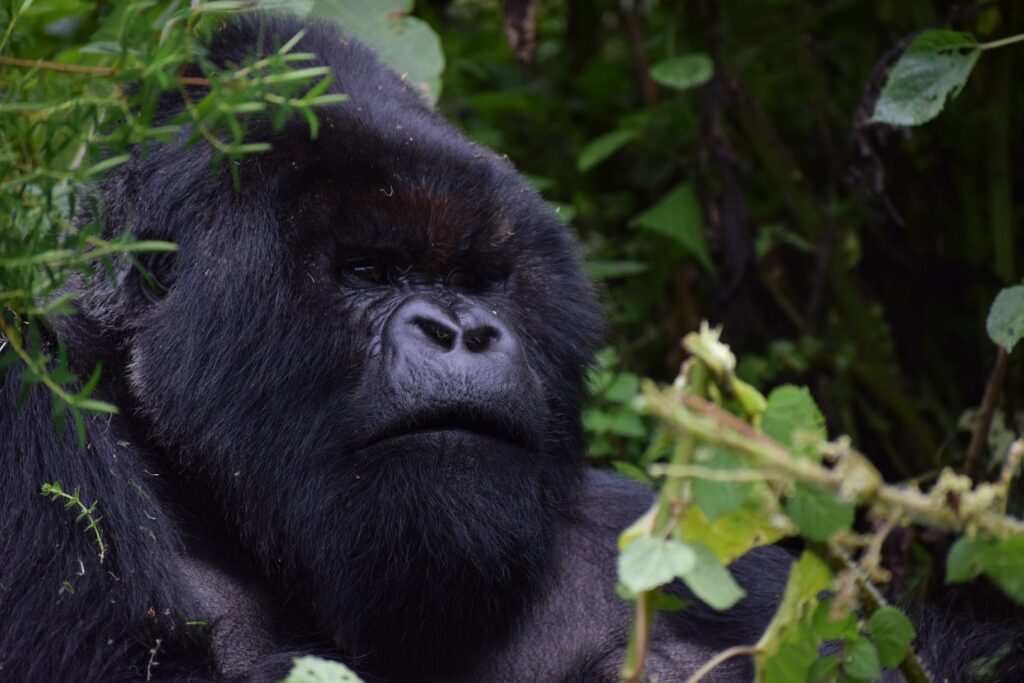
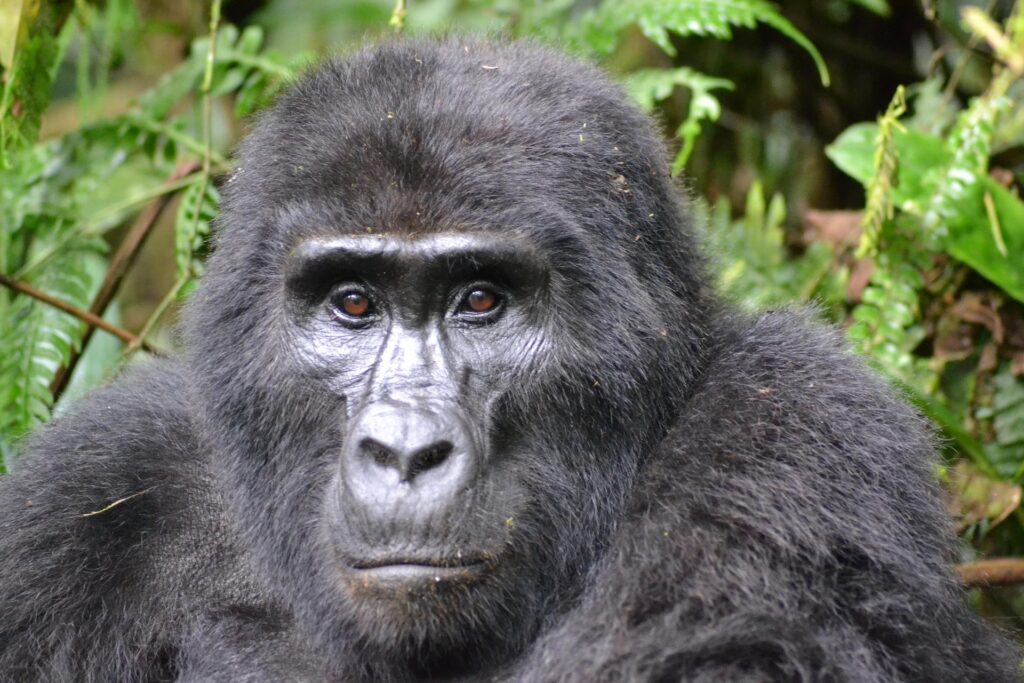
Bwindi National Park Gorilla Trekking – The Wonders Of Uganda
Bwindi National Park offers an exhilarating adventure where breathtaking landscapes meet rare wildlife encounters. Trek through dense forests to witness the majestic mountain gorillas, one of the world’s most endangered species, in their natural environment. This dynamic journey blends wildlife discovery with cultural immersion, making it an unforgettable experience for nature lovers. Whether it’s the thrill of the trek or the awe of the gorillas, Bwindi promises a once-in-a-lifetime opportunity to connect with Uganda’s rich biodiversity and vibrant local communities.
Bwindi Impenetrable Forest – Uganda National Park
History Of Bwindi National Park
Bwindi Impenetrable National Park, located in the rugged southwestern corner of Uganda, holds a unique place in the world’s natural heritage. Initially, the area was home to indigenous communities, most notably the Batwa, a group that lived in harmony with the forest for centuries. Their traditional lifestyle, which relied on the forest’s resources, was drastically altered when the region was designated a protected area in the late 20th century. In 1991, Bwindi was officially established as a national park, with the primary objective of safeguarding the dwindling population of mountain gorillas.
Before the park’s establishment, these Bwindi gorillas were facing severe threats from habitat loss, human encroachment, and poaching. The urgency to protect this area was evident as the population of gorillas continued to fall, pushing local conservationists and the Ugandan government to take action. This led to the creation of the park and the implementation of conservation measures aimed at both protecting the gorillas and preserving the biodiversity of the forest ecosystem.
Bwindi’s forested landscape, often described as impenetrable, is one of the few places where the endangered mountain gorillas still thrive. Conservation efforts began in earnest in the 1980s, with researchers working on the ground to study the gorillas and raise awareness about their plight. As a result of these efforts, the park became an important sanctuary for the gorillas, and by the 1990s, gorilla tourism was introduced as a way to fund gorilla conservation efforts and raise global awareness.
Today, Bwindi is renowned for its gorilla trekking experiences, which allow visitors to observe these magnificent creatures in their natural habitat. The park’s success is a testament to the power of conservation and sustainable tourism, offering a model for protecting endangered species while benefiting local communities.
Best Time Of Year To Travel to Bwindi
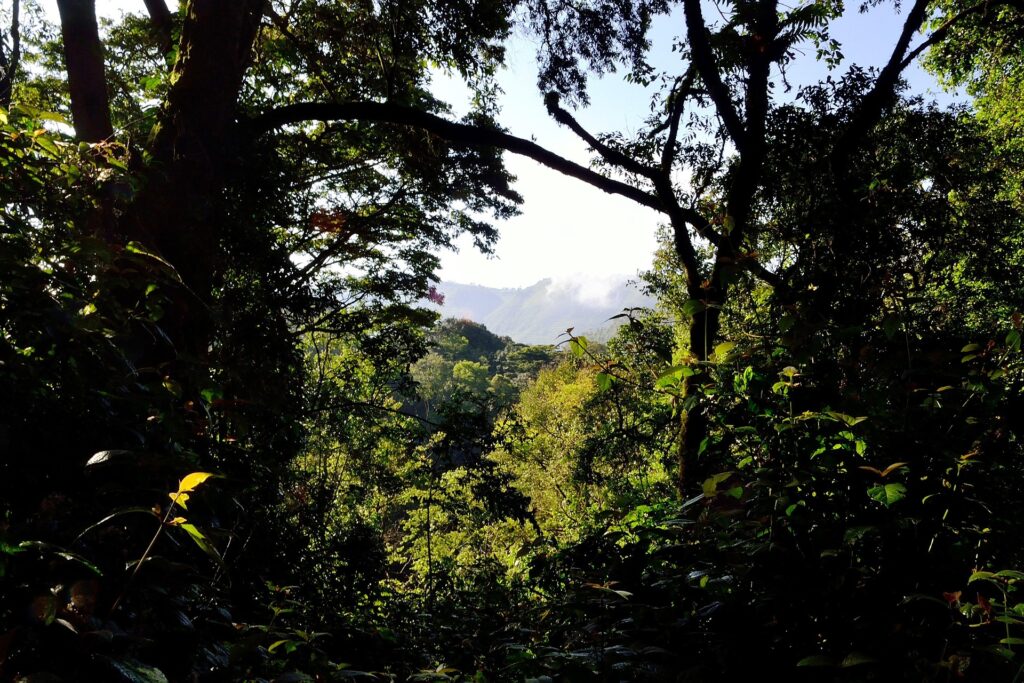
The ideal time to visit Bwindi Impenetrable National Park depends on your preferences and the experiences you’re after. However, most visitors opt for the dry seasons for easier trekking and more comfortable conditions.
Dry Seasons (June to August and December to February):
During these months, the weather is typically drier, making for better hiking conditions. Trails are less muddy, and the chance of rain interfering with your trek is lower. This time of year offers clearer views of the gorillas, as visibility is improved. However, these months also attract more tourists, so you’ll encounter more visitors and potentially higher prices for accommodations and permits.
Wet Seasons (March to May and September to November):
The rainy season offers a quieter experience, with fewer tourists trekking through the park. While the weather can be wetter, resulting in muddier trails, this can also mean fewer crowds and a more serene atmosphere. The forest is lush and vibrant, supporting abundant wildlife and bird species. Though the conditions may be challenging, the wet season can provide a more peaceful, less crowded experience for those who don’t mind a bit of mud.
Choosing when to visit Bwindi ultimately depends on whether you prefer easier, drier conditions or a more tranquil experience with fewer people around. Each season offers a unique way to experience the park’s beauty and wildlife.
District Location of the National Park (Bwindi)
The district location of Bwindi National Park is in southwestern Uganda, spanning the Kabale and Kanungu districts. Nestled along the edge of the Albertine Rift and close to the border with the Democratic Republic of Congo, the park offers breathtaking views of the surrounding terrain and is near other significant natural sites in the region.
Animals In Bwindi Impenetrable Forest
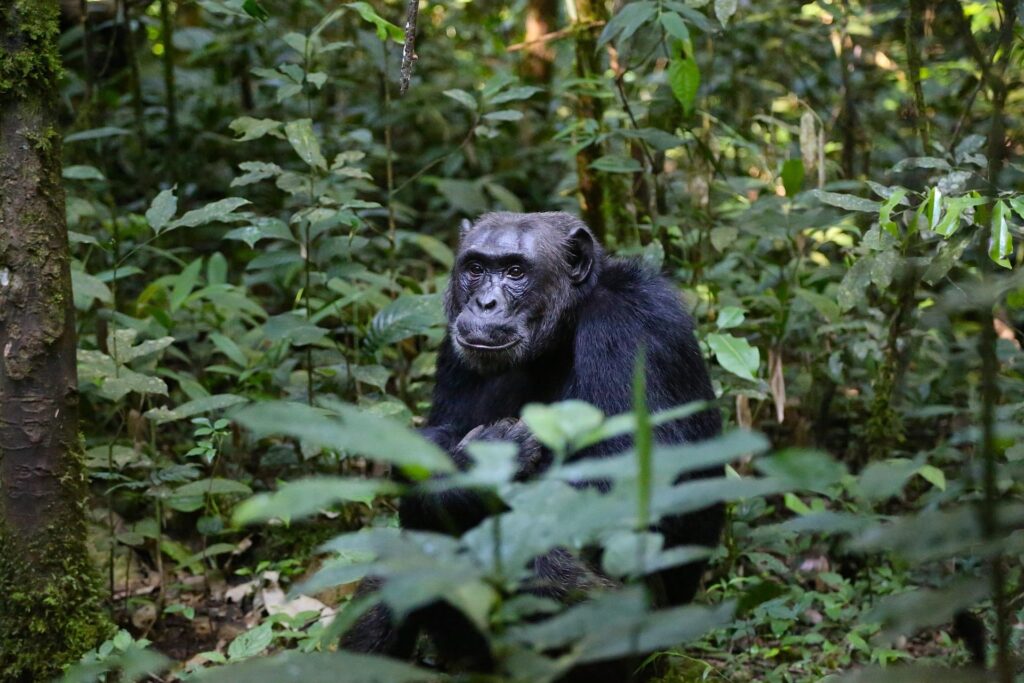
Bwindi Impenetrable National Park is a haven for biodiversity, offering a remarkable array of wildlife that thrives within its dense, protected forests. From primates like chimpanzees and vervet monkeys to rare and elusive species such as the African golden cat and forest elephants, the park is home to some of the most fascinating creatures in Africa. Its rich ecosystem also includes a variety of reptiles, mammals, and birds, each playing an important role in maintaining the balance of this unique environment. Bwindi’s diverse wildlife offers visitors the rare chance to experience nature in its purest form.
Bwindi National Park Chimpanzees
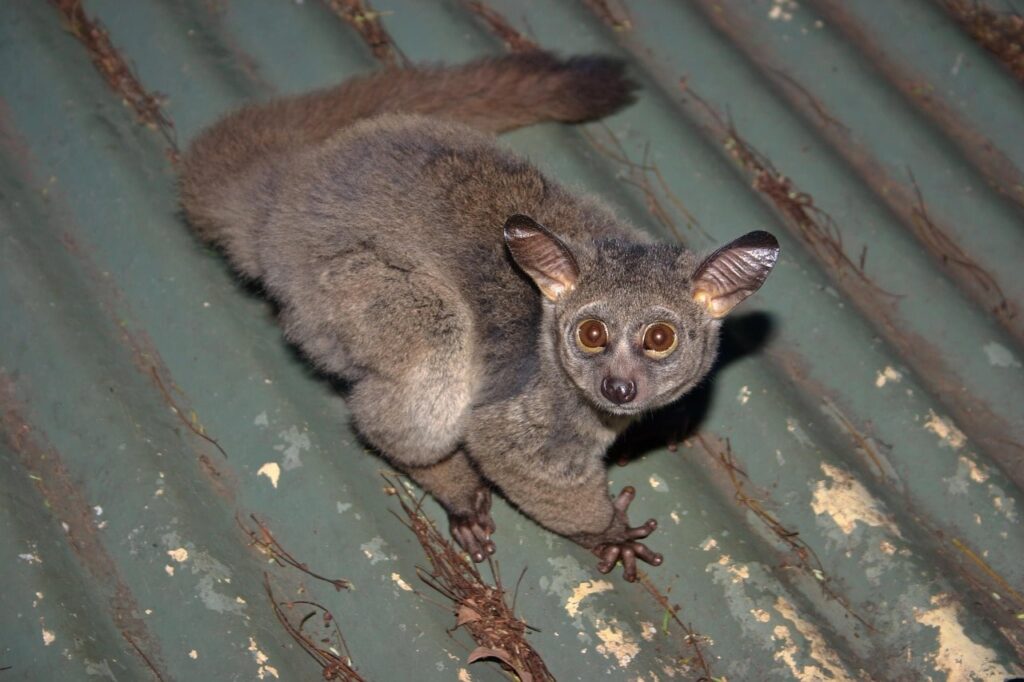
Demidoff’s Galago
Bwindi Impenetrable National Park is home to the rare Demidoff’s Galago, a nocturnal primate with distinctive, large eyes adapted for night. Known for its agility, this small primate leaps between trees searching for insects, fruit, and leaves. Though elusive, its vocalizations can be heard throughout the forest during the night, adding to its mysterious presence. Observing the Demidoff’s Galago in Bwindi is a rare and exciting experience, highlighting the park’s rich biodiversity.
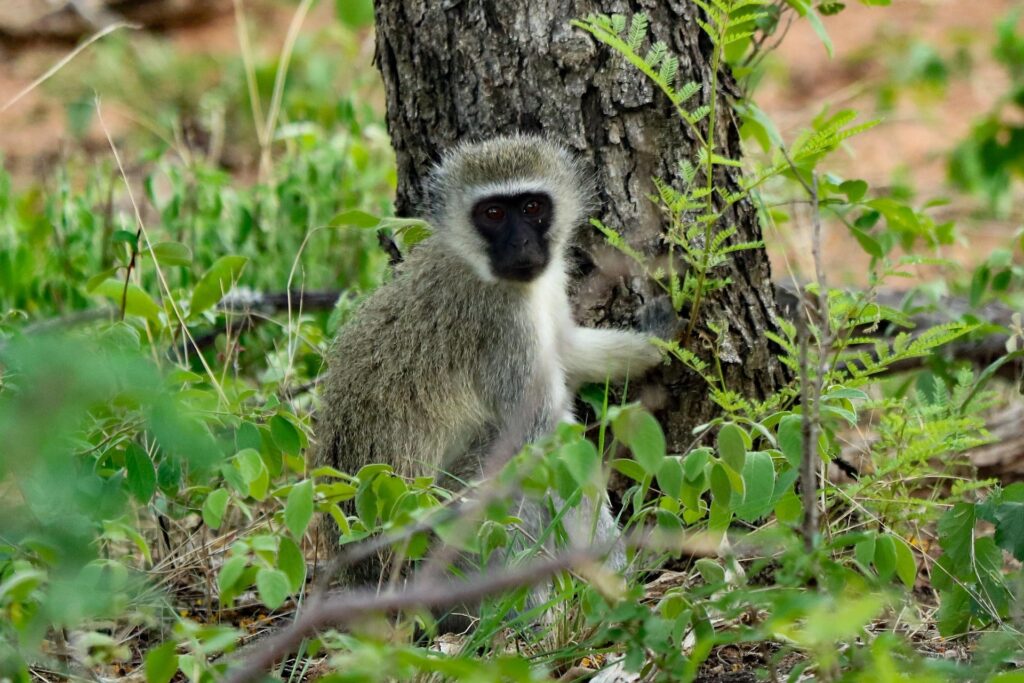
Vervet Monkeys in Bwindi
Bwindi Impenetrable Forest Red-Tailed Monkeys
Blue Monkeys from the Bwindi National Park
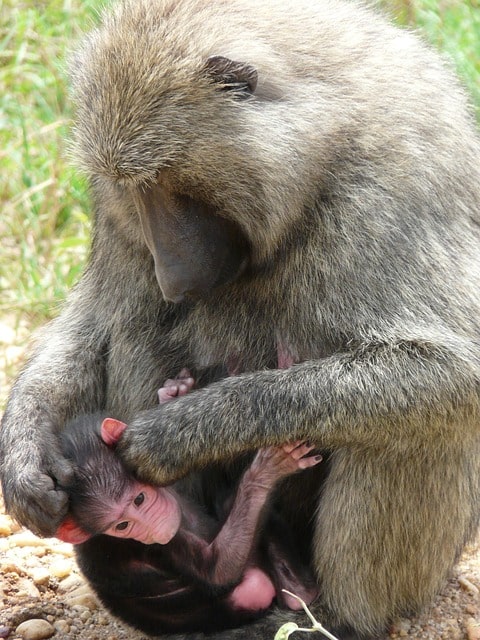
Olive Baboons Bwindi Forest
Olive baboons in Bwindi Impenetrable Forest are known for their lively and often humorous behavior. These smart primates love to create a little chaos, often swiping food from unsuspecting hikers or even rummaging through parked cars for snacks. With their cheeky expressions, it’s as if they’re grinning at their own antics. Whether they’re playfully engaging in mock chases or relaxing after a successful food grab, the sight of their mischievous nature brings an extra touch of fun to the forest’s wildlife experience.
Forest L’Oest Monkeys
Pottos
Pottos are nocturnal, slow-moving primates found in Bwindi Impenetrable Forest, known for their unique defense strategy. When threatened, they freeze, blending into their surroundings with camouflaged fur. Adapted for low light, their large eyes help them navigate the dense forest, where they feed on fruits, insects, and leaves. Despite their slow pace, Pottos are agile climbers and lead solitary lives, unlike the more social primates in the region. Conservation efforts are vital for protecting these elusive creatures from threats like habitat loss and poaching.
Variety of Squirrel Species
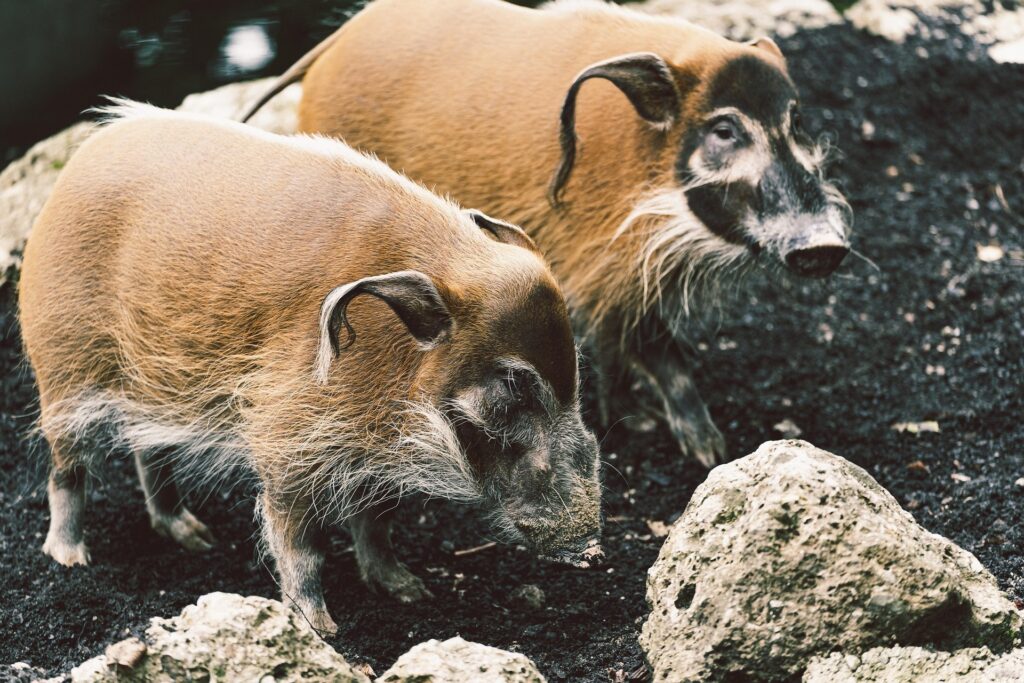
Bwindi Bushpigs
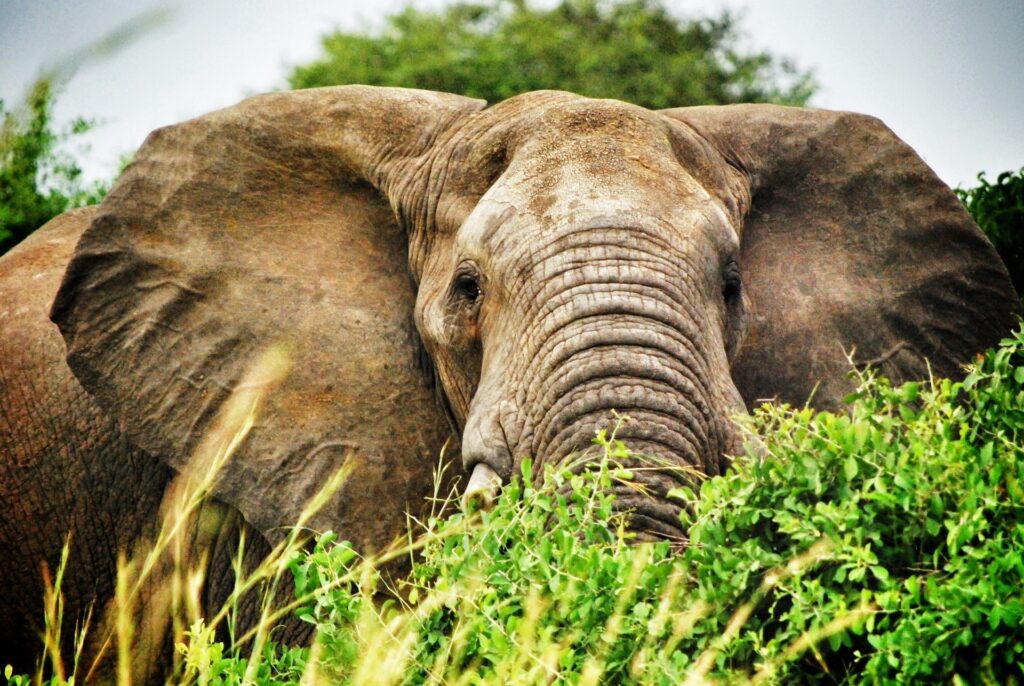
Forest Elephants in Bwindi
Forest elephants in Bwindi are classified as endangered due to several ongoing threats, including habitat destruction, poaching, and conflicts with local human populations. These elephants, smaller in size and with distinct features such as rounder ears and darker skin, are increasingly at risk. Despite Bwindi Impenetrable Forest providing some sanctuary, the broader species continues to struggle for survival. Efforts to conserve their habitat and protect them from illegal activities are vital to securing their future in this region.
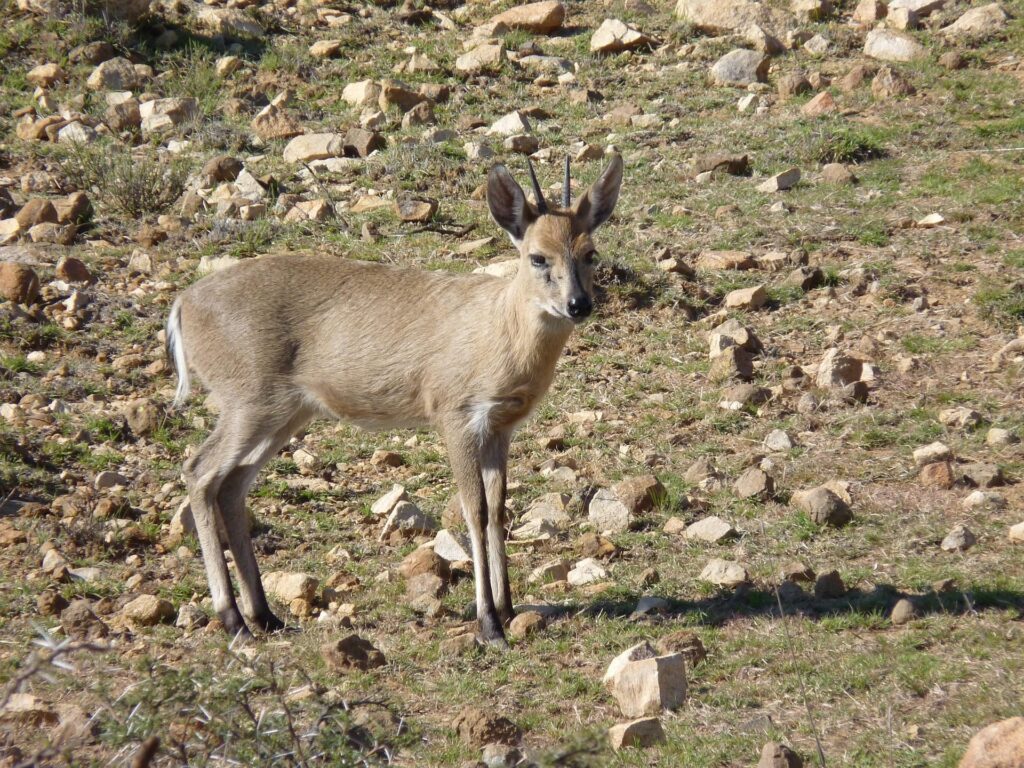
Weyns Duikers
Weyn’s duikers are a small, elusive species of antelope native to the forests of Uganda, including Bwindi Impenetrable Forest. These animals are characterized by their reddish-brown coat with distinctive white markings on their face and legs. Shy and nocturnal, they typically remain hidden in dense vegetation during the day, feeding on fruits, seeds, and leaves. Due to their secretive nature, they are rarely seen, but their numbers are dwindling due to habitat loss and hunting, making them a species of growing conservation concern.
Ugandan Bush Buck
The Ugandan bushbuck is a graceful, medium-sized antelope found in the diverse habitats of Uganda, particularly within the forests, savannas, and wetlands. Recognizable by its reddish-brown coat with distinctive white markings on its legs, underbelly, and face, the bushbuck is a solitary and elusive creature. Known for its agility, it is often found browsing on a variety of plants, including leaves, fruits, and grasses. While primarily nocturnal or crepuscular, it can also be active during the day in areas of low human disturbance. Though not currently considered endangered, the Ugandan bushbuck faces pressures from habitat loss and poaching, making conservation efforts crucial for its continued survival.
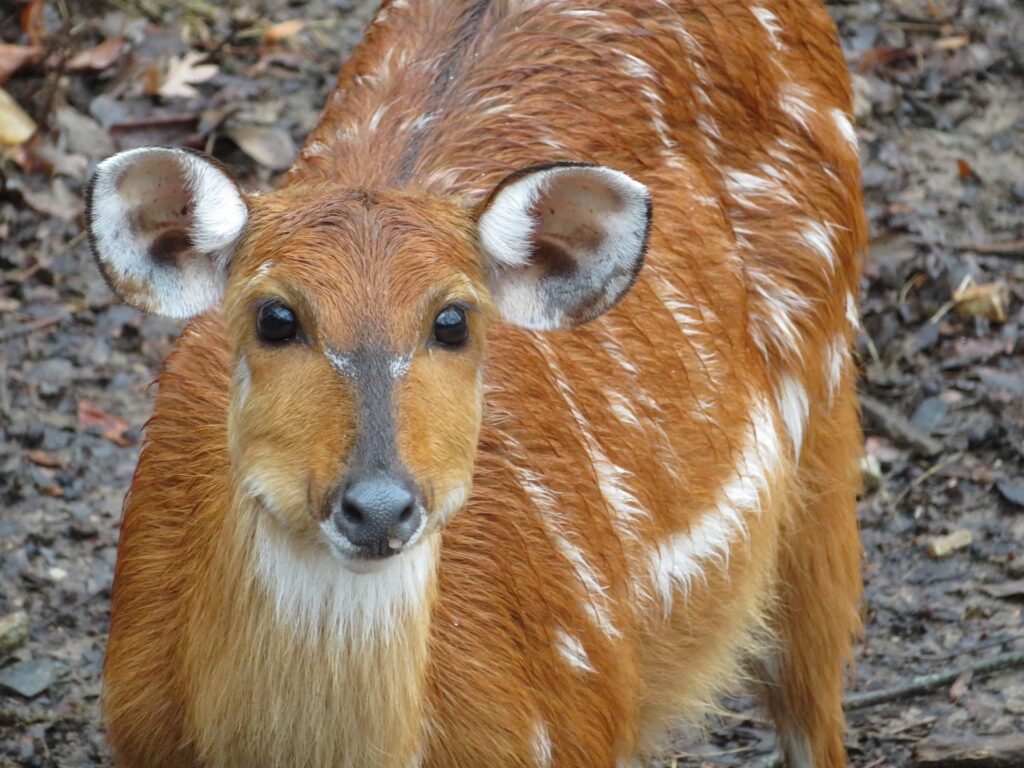
Sitatungas in Bwindi – A Rare Antelope
Sitatungas, a unique species of antelope found in the swampy regions of Bwindi Impenetrable National Park, are known for their ability to navigate wetland environments with remarkable ease. Their large, splayed hooves enable them to move through marshy areas efficiently, while their thick, shaggy fur helps them blend into the dense vegetation, making them hard to spot. Although they are not known for speed, Sitatungas can make quick, nimble movements when necessary to escape danger. They typically prefer to remain hidden, feeding on aquatic plants and shrubs, and are often seen alone due to their solitary nature. Spotting one is a rare and rewarding moment for those who venture into their habitat.
African Clawless Otters
African Clawless Otters are medium-sized aquatic mammals that typically weigh between 5 to 12 kilograms (11 to 26 pounds). Their body length ranges from 1 to 1.5 meters (3.3 to 5 feet), including their tail. With a streamlined physique and webbed feet, they are highly skilled swimmers, adapted to life in water. Their sleek, muscular bodies are covered in dense fur, providing them insulation during swimming in chilly environments. These otters inhabit diverse aquatic ecosystems across Uganda and all over Africa, including rivers, lakes, and wetlands.
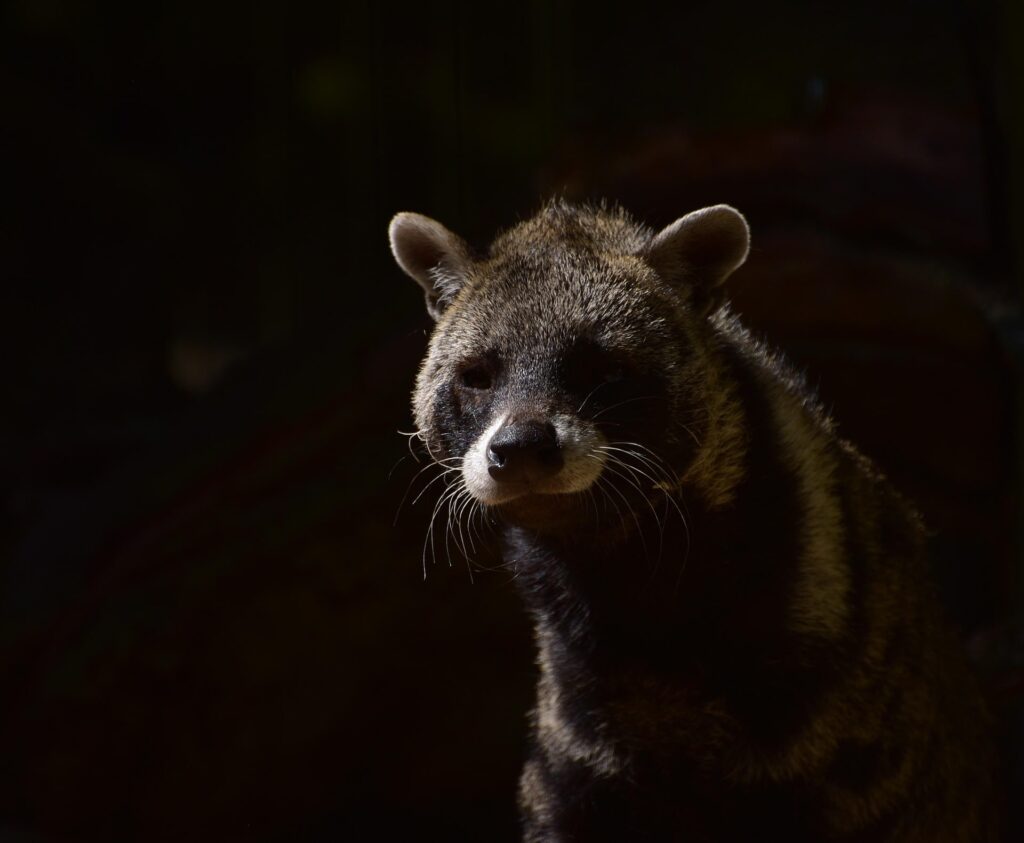
African Civets in Bwindi
Ugandan Honey Badgers
The Ugandan Honey Badger is a remarkable and fiercely resilient animal, known for its fearless attitude and impressive adaptability. Despite its small size, this creature is a powerful predator, capable of taking on much larger animals, including venomous snakes, with remarkable determination. Its thick, tough skin protects it from bites and stings, and its claws and teeth are perfectly designed for digging, hunting, and defending itself. Often found in the rugged terrains of Uganda, including Bwindi Impenetrable National Park, the Honey Badger’s diet is diverse, ranging from honey and small mammals to insects and reptiles. What truly sets the Ugandan Honey Badger apart is its unmatched tenacity and resourcefulness, making it one of the most unique and fearless animals in the region.
African Golden Cats – Extremely Rare
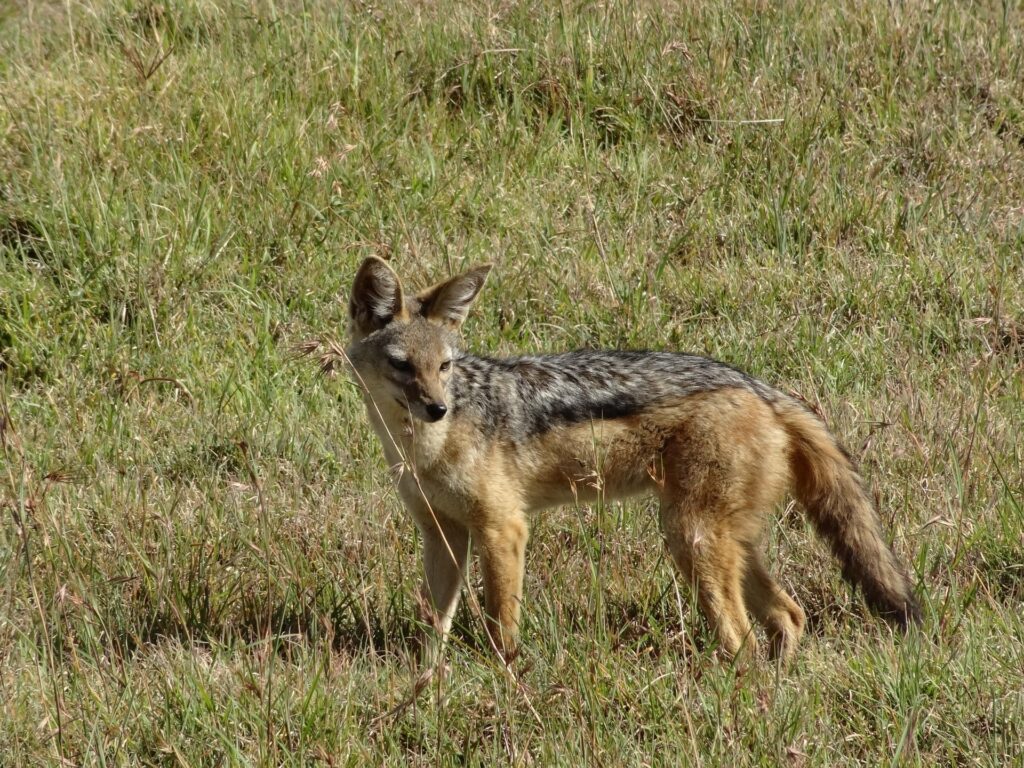
Side Striped Jackal
In Bwindi Impenetrable National Park, side-striped jackals form tight-knit family groups that rely on cooperation and teamwork for survival. These families typically consist of a monogamous breeding pair, their current pups, and occasionally, older offspring or helpers that remain to assist with raising the next generation. The dominant pair leads the group, managing activities such as hunting, marking territory, and defending their home range from intruders. The pups, born each year, stay within the family for a while, where they learn vital skills like hunting and social communication from their parents.
Family members often collaborate when it comes to raising the young. Older offspring may contribute by helping care for newborn pups, ensuring the next generation is nurtured and protected. The side-striped jackals are highly territorial, and the family works together to maintain their boundaries, marking them with scent to ward off other animals. As they mature, younger jackals might leave their family group to establish their own territories, but the bonds formed within the family unit remain integral to their survival and success in the wild. This dynamic ensures both the continuity of the species and the adaptability necessary for thriving in Bwindi’s diverse ecosystem.
Bwindi Chameleon, Skinks and Salamanders
Bwindi Impenetrable National Park is home to a fascinating array of reptiles, including chameleons, skinks, and salamanders, each contributing to the forest’s biodiversity in unique ways. Chameleons, famous for their ability to change color, use this skill to blend in with their surroundings, offering them protection from predators. Skinks, with their sleek bodies and smooth skin, are frequently spotted skittering across the forest floor, where they play a crucial role in controlling insect populations. Salamanders, though harder to spot, thrive in the damp, shaded areas of the park, where they contribute to the ecosystem by regulating the numbers of smaller creatures. Together, these reptiles enhance the intricate web of life in Bwindi, showcasing the park’s rich natural heritage.
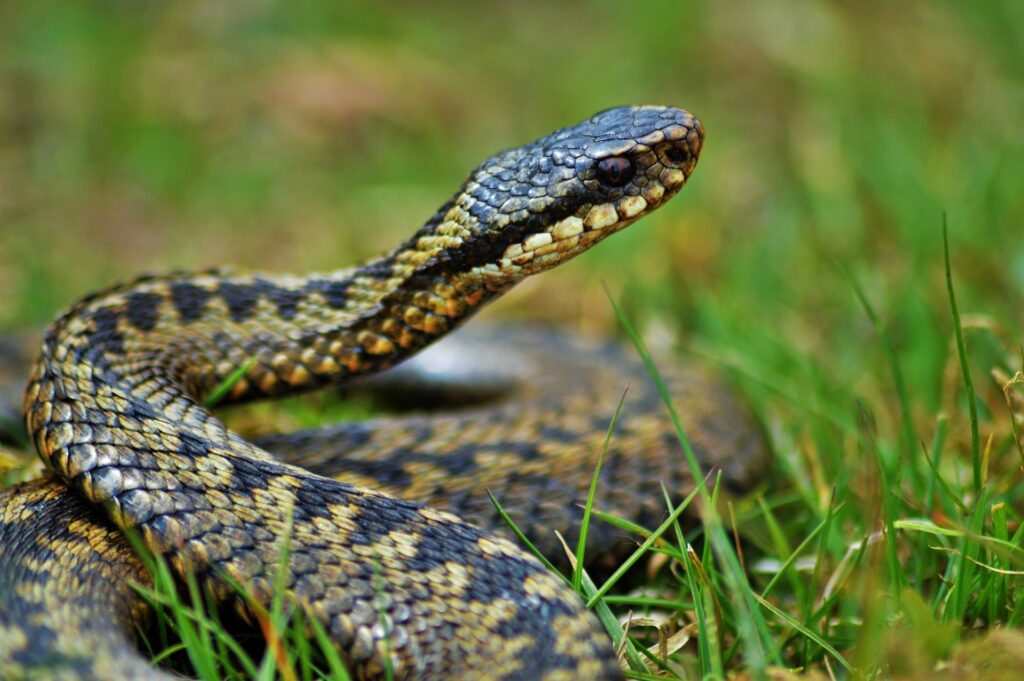
Snakes – Keep A Sharp Eye
Blue, Green and Orange Lizards
This Uganda National forest hosts a variety of lizard species, each adapted to the dense, diverse environment. Among the most notable is the Jackson’s chameleon, recognized for its vibrant green coloration and distinctive shape. The park also shelters skinks, such as the blue-tailed skink, which is frequently seen scurrying along the forest floor. Additionally, several species of agamas can be found in the park, often perched on rocks or tree trunks to soak up the sun. These reptiles play important ecological roles, from maintaining insect populations to serving as food for larger predators in the park’s complex food web.
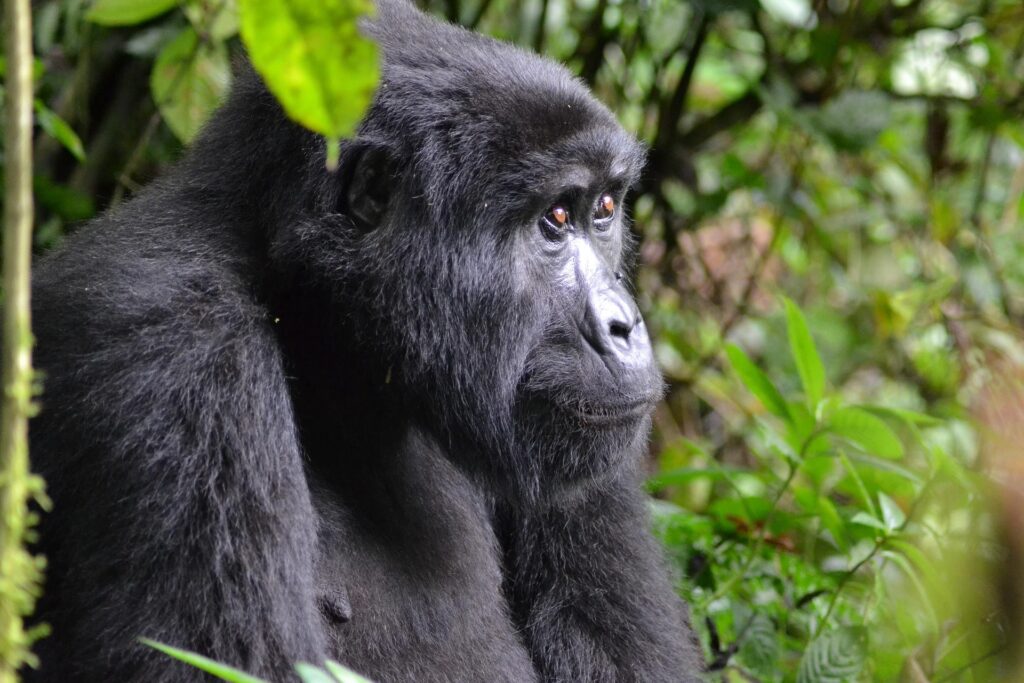
The Main Event – Gorilla Trekking In Bwindi National Park
Ugandan Bwindi Mountain Gorillas
Cost For Bwindi Gorilla Trekking Tours
How Many Mountain Gorillas In Bwindi
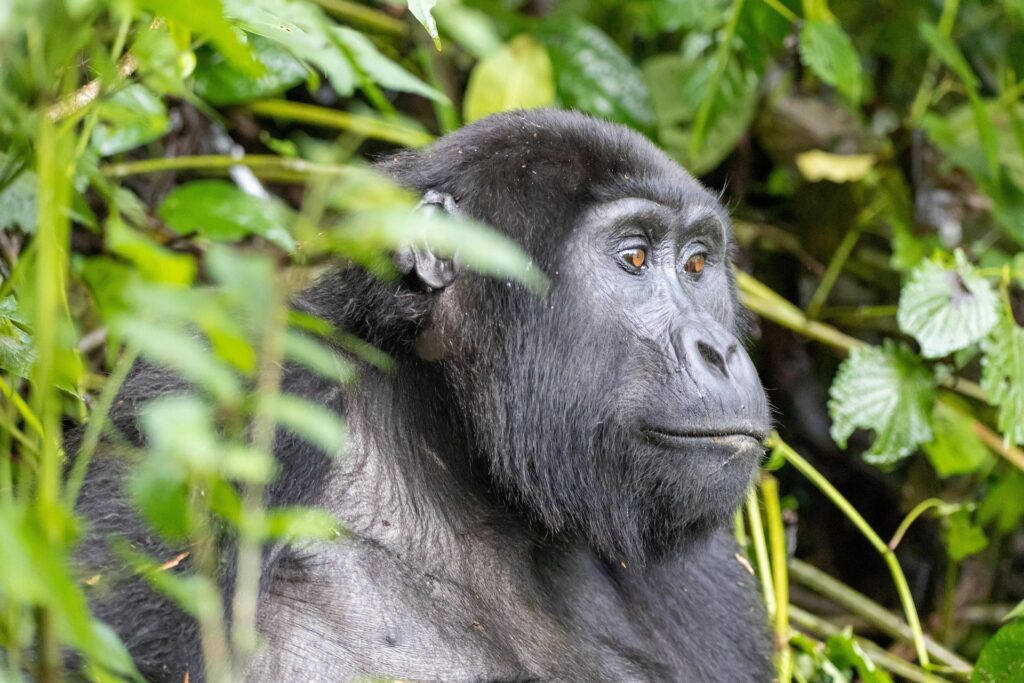
Mountain Gorilla Tours In Bwindi National Park
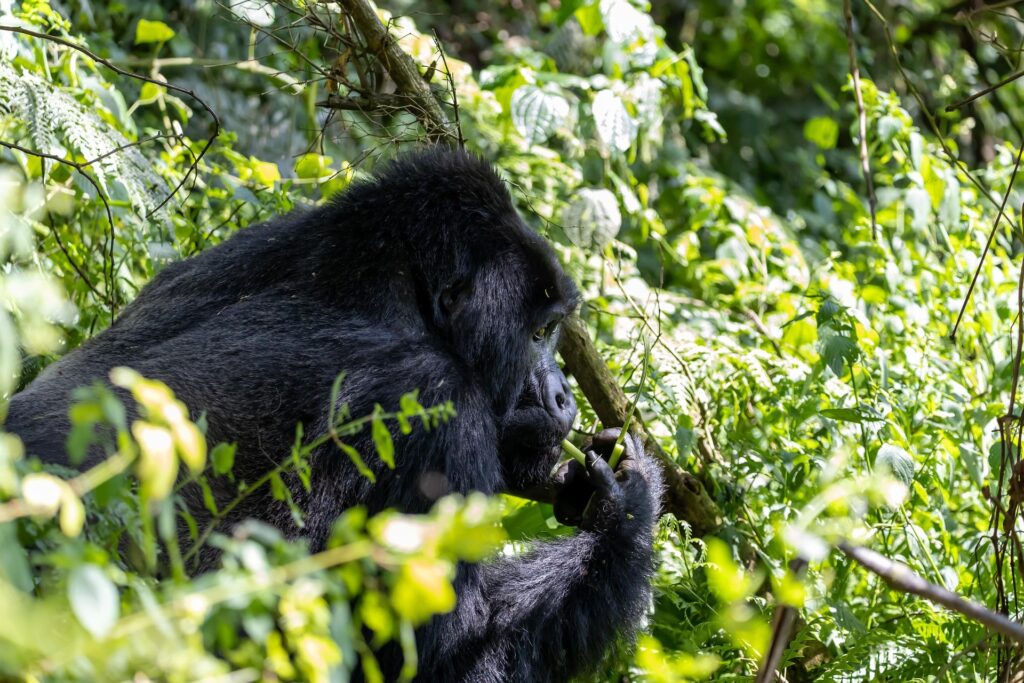
The Bwindi mountain gorillas, residing in Uganda’s Bwindi Impenetrable National Park, are a symbol of both strength and vulnerability. As one of the most endangered species, they live in tight-knit family groups, led by a silverback. Trekking in Uganda to witness these magnificent creatures is a once-in-a-lifetime opportunity, offering not only a glimpse into their social structures and behaviors but also the chance to support vital conservation efforts. With only around 450 individuals left, encountering them in their natural habitat is an extraordinary experience that contributes to preserving their future.
4 Day Uganda Gorilla Tour and Cultural Visit
The 4-day Uganda Gorilla Trekking tour offers an exciting adventure that includes mountain gorilla tracking in Bwindi, cultural immersion with the Batwa community, and breathtaking landscapes. The tour begins with a flight to Bwindi National Park and offers an unforgettable experience trekking through the jungle to encounter the magnificent gorillas. Guests also have the chance to learn about the Batwa people, who lived in the forest before its designation as a national park. The tour concludes with a return flight to Entebbe, leaving travelers with lasting memories of nature and culture.
4 DAYS BWINDI GORILLAS ROAD SAFARI
This 4-day tour offers the perfect balance of wildlife adventure and cultural exploration, featuring a thrilling gorilla trek in Bwindi National Park, followed by a visit to Kigali’s vibrant city life. Participants get the chance to explore the cultural landmarks of Rwanda’s capital while also experiencing the awe-inspiring gorilla trekking in one of Africa’s most biodiverse regions. It’s a chance to immerse yourself in both nature and heritage, offering an unforgettable and diverse travel experience.
Uganda and Rwanda Gorillas and Golden Monkeys
6 DAYS GORILLA TRACKING AND SAFARI
This 6-day safari combines gorilla trekking in Bwindi National Park with a visit to Queen Elizabeth National Park. You’ll explore Kigali, track mountain gorillas, and engage with the Batwa community. Enjoy a scenic boat ride on the Kazinga Channel and a thrilling game drive. The adventure culminates with a scenic drive back to Kigali. For an unforgettable wildlife experience, get a custom quote on the 6 day Uganda Gorilla tracking and safari from Amahoro Tours today and begin planning your dream journey!
9 DAYS (8 NIGHTS) UGANDA PRIMATE & WILDLIFE SAFARI
Embark on a 9-day adventure through Uganda’s stunning wilderness. Track majestic mountain gorillas in Bwindi, encounter playful chimpanzees in Kibale, and explore the wildlife of Queen Elizabeth National Park. Enjoy a boat trip on the Kazinga Channel, visit the Batwa community, and explore Entebbe’s botanical gardens. With daily discoveries, this immersive safari connects you to Uganda’s rich wildlife and culture. Let Amahoro Tours guide you to an unforgettable experience on our 9 day Uganda primate and Elizabeth National Park safari now.
10 Day Uganda Gorilla Trek, Golden Monkeys, Safari and Women’s Cultural Visit
Best Time Of Year For Mountain Gorilla Trekking in Bwindi
Book Your Bwindi Gorilla Trekking In Uganda
Experiencing the Bwindi mountain gorillas is truly unforgettable, offering a rare opportunity to witness these majestic creatures in their natural habitat. From the challenging trek through the dense jungle to the awe-inspiring encounter with the gorillas, each moment is filled with excitement and wonder. Don’t miss out on this incredible journey—plan your adventure now and make memories that will last a lifetime. Contact Amahoro Tours today for a personalized custom quote and take the first step toward an extraordinary adventure.
See What Our Guests Are Saying