Honey from Rwanda offers a distinct taste that sets it apart from other varieties, largely due to the country's diverse flora and unique environmental conditions. When we look to beekeeping in Rwanda as a tour, you could learn a lot about why these Rwanda bees are so special! The abundance of wildflowers, particularly in mountainous regions, influences the flavor profiles based on the nectar collected by bees. Furthermore, traditional Rwandan beekeeping practices and minimal industrial processing enhance the honey's natural flavors, resulting in a rich, aromatic product that reflects Rwanda's unique ecosystem. Learn more from the top Rwandan tour company Amahoro Tours, now.
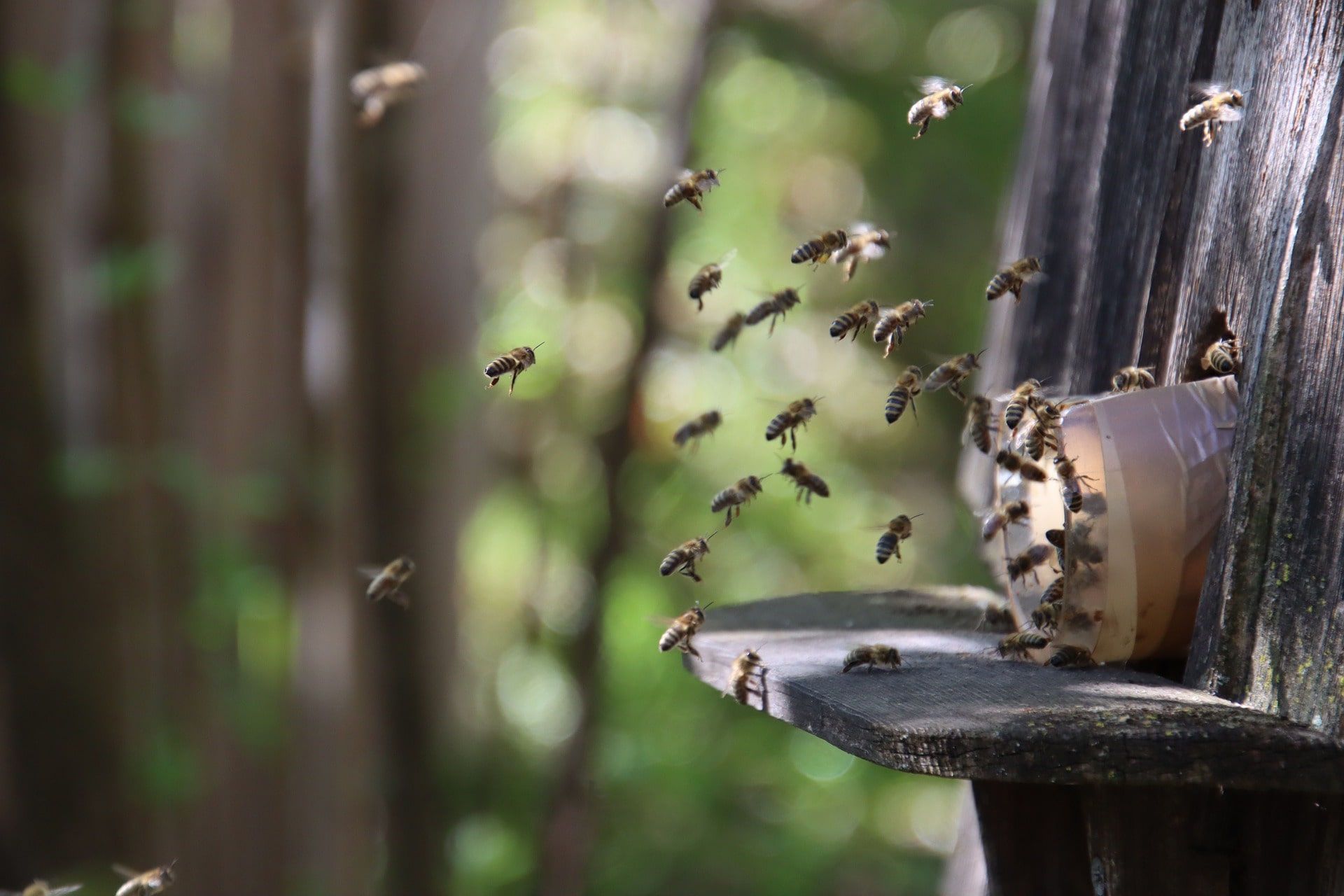
Bee Keepers Think Red Rocks is the Bee’s Knees
Our local Rwanda beekeepers are buzzing with anticipation at the thought of giving you a demo of what beekeeping in Rwanda is all about. While on your Rwanda gorilla tour at Amahoro Tours, the best gorilla trekking in Rwanda, come to Red Rocks for a crash course on beekeeping, and learn about the importance of honey to the local community.
The villages surrounding Red Rocks are home to several beekeeper’s associations. Their members keep bee hives in the swamps and forests around Red Rocks. That’s because they’re lush with greenery and rich in certain types of plants, including banana trees. Every plant in these habitats gives the honey a unique flavour. Depending on the season and the varieties of flowers in bloom at the moment, you’ll see these beehives strategically scattered across the valleys throughout Red Rocks.
For the locals, honey is more than an essential foodstuff — it’s also an age-old remedy for countless ailments and diseases the locals suffer from. Traditional doctors and healers use local honey to cure and alleviate symptoms, and that’s where most of the local honey goes to. The remainder is sold to the locals, and the proceeds are shared with the member's associations. It’s a well-oiled machine, but also a means for you to have hands-on training from some of Rwanda’s most skilled beekeepers.
Honey Production In Rwanda - The Source Of Sweetness
Honey production in Rwanda has experienced significant growth in recent years, driven by increased awareness of the health benefits of honey, growing local and international demand, and government support for sustainable agriculture. Efforts to promote beekeeping have led to the establishment of cooperatives and training programs that educate farmers on modern beekeeping techniques and hive management. This has improved honey quality and production efficiency, encouraging more people to engage in beekeeping as a viable livelihood. Additionally, the rise of eco-tourism and the emphasis on organic products have further boosted the market for Rwandan honey, making it a valuable commodity both locally and abroad. Overall, the combination of community initiatives, training, and market demand has positioned Rwanda's honey production for continued growth and success.
Rwandan Beer Farms
Rwandan bee farms differ from those in other parts of the world primarily due to their reliance on traditional beekeeping methods, utilizing local materials like wooden hives or clay pots. Many farmers prioritize community involvement through cooperative structures, sharing resources, knowledge, and profits. This contrasts with more commercial operations globally, which often employ standardized, modern hives and practices. Additionally, the unique biodiversity in Rwanda, particularly in its mountainous and rural areas, contributes to distinct flavor profiles in the honey, influenced by the diverse floral sources.
Sustainability and Eco-Tourism with Beekeeping
Sustainability is also a significant focus for Rwandan bee farms, with many prioritizing organic practices and the preservation of native bee species. This emphasis on environmental conservation is less common in industrialized bee farming, where chemical treatments are often utilized. Furthermore, Rwandan honey production is increasingly oriented toward local and organic markets, capitalizing on the demand for natural products. This niche market approach distinguishes Rwandan honey from large-scale commercial distribution practices found in other countries, reflecting a unique blend of traditional values and modern market trends.
Types Of Beekeeping Productions In Rwanda
In Rwanda, several types of beekeeping practices are employed, each with its own techniques and characteristics. Here are some of the most common types we see:
Traditional Beekeeping In Rwanda
Traditional beekeeping is the most prevalent form of honey production in Rwanda, deeply embedded in the country’s cultural heritage and agricultural practices. Rwandan farmers typically construct their hives from locally sourced materials like wood and clay, creating simple yet effective designs that provide a sheltered environment for bees. These hives often resemble cylindrical containers or boxes, reflecting the resourcefulness of local artisans.
This method emphasizes minimal intervention, allowing bees to thrive in their natural habitat. Rwandan beekeepers rely on indigenous knowledge passed down through generations to manage their hives effectively. They observe bee behavior, monitor seasonal changes, and recognize signs of colony health. Honey extraction is carried out using traditional techniques, such as gently smoking the bees to calm them before harvesting honeycombs, ensuring that the bees remain healthy and productive.
The Land and The Bees
Traditional beekeeping also fosters a deep connection between Rwandan farmers and their land. Many beekeepers cultivate a diverse range of flowering plants and trees to support their bee populations, recognizing the importance of biodiversity for high-quality honey production. This form of beekeeping is often integrated into a broader subsistence farming system, where honey serves as both a source of income and a nutritious food resource for families and communities. The honey produced through these traditional methods is celebrated for its unique flavors, which reflect the local flora and the artisanal practices of the beekeepers. This rich heritage not only contributes to Rwanda’s cultural identity but also highlights the importance of preserving traditional beekeeping practices amid modernization and environmental changes.
Rwandan Adoption Of Modern Beekeeping
Rwanda has embraced modern beekeeping techniques, which have gained popularity among some farmers looking to increase honey production and improve colony management. Farmers adopting modern beekeeping techniques benefit from improved management practices, such as regular hive inspections. These inspections enable beekeepers to monitor the health of their colonies closely, assess population levels, and identify potential issues like diseases or pests early on. By implementing effective disease control measures, including the use of organic treatments and preventive practices, beekeepers can maintain healthier colonies and enhance overall productivity.
Additionally, modern beekeeping in Rwanda encourages the adoption of better hive maintenance practices, which can lead to increased honey yields and higher quality products. Beekeepers are also educated on the importance of proper feeding, seasonal management, and optimal placement of hives to maximize foraging opportunities. As a result, this approach can significantly improve the economic viability of beekeeping as a livelihood for many Rwandan farmers.
The rise of modern beekeeping has also facilitated access to local and international markets, as producers can offer consistent quality and quantities of honey. By combining traditional knowledge with modern practices, Rwandan beekeepers are enhancing their production capabilities while contributing to the sustainability of their communities. This blend of methods reflects the country's commitment to improving agricultural practices and supporting rural development while preserving the rich cultural heritage associated with beekeeping.
Organic Bee Keeping In Rwanda and East Africa
With a growing emphasis on sustainable agriculture, some Rwandan beekeepers have embraced organic beekeeping practices that prioritize the health of both bees and the environment. By avoiding synthetic chemicals and pesticides, these beekeepers utilize natural methods for pest control and hive management, which caters to the increasing demand for organic honey in local and international markets.
Rwandan Flora and Fauna's Relationship to Flavor
Rwanda's diverse flora significantly contributes to the unique flavor profiles of its organic honey. Key plants such as Eucalyptus, Wildflower, and Avocado provide rich sources of nectar and pollen. Eucalyptus trees, for instance, enhance the honey's aromatic qualities, while the multitude of wildflowers offers a variety of flavors throughout the blooming season. Additionally, avocado trees, which bloom during the wet season, further enrich the nectar sources available to the bees, adding a creamy sweetness to the honey.
By focusing on organic practices, Rwandan beekeepers not only produce high-quality honey that is free from harmful chemicals but also showcase the rich and diverse flavors influenced by their unique environment. This commitment to organic beekeeping reflects Rwanda's broader goals of promoting environmental conservation and sustainable agricultural practices, ensuring that both the bees and the land thrive for future generations while delivering distinctive honey that captures the essence of Rwandan flora.
Community-Based Co-Op Beekeeping
Many Rwandan beekeepers actively engage in cooperatives and community organizations that promote collective beekeeping efforts, fostering collaboration and a strong sense of community. This cooperative model enhances the economic viability of beekeeping for smallholder farmers while encouraging knowledge sharing and resource pooling among members. By coming together, beekeepers gain access to training programs that teach modern and organic practices, pest management techniques, and sustainable hive maintenance, thereby improving their skills and productivity.
Rwandan bees, particularly the indigenous Apis mellifera, are well adapted to the local environment, thriving on a variety of nectar sources that contribute to the unique flavors of Rwandan honey. By harnessing the strength of community-based initiatives, Rwandan beekeepers can ensure the sustainability of their bee populations and the health of their ecosystems, enhancing their economic prospects. This model not only strengthens the livelihoods of individual farmers but also reinforces the cultural significance of beekeeping in Rwanda, celebrating a rich tradition of honey production that has been passed down through generations.
Add A Rwandan Beekeeping Tour To Your Amahoro Tour Today
On our Amahoro beekeeping tour additiion, visitors will experience both traditional and modern beekeeping practices. Welcomed by a local Rwandan beekeeper, participants will explore various hive types, learn about Rwandan bees, and witness honey extraction demonstrations. Engaging in hands-on activities like hive inspections and enjoying a honey tasting session will highlight the diverse flavors from local nectar sources. Overall, the tour offers a memorable blend of cultural insights and practical knowledge, showcasing the significance of beekeeping in Rwanda's agricultural landscape. Interested in adding the Rwandan beekeeping tour to your Rwandan experience? Contact us today!
Experience the thrill of beekeeping and honey cultivation in Red Rocks on your Rwanda tours with Amahoro Tours!
