
Gorilla Trekking and Wearing Masks
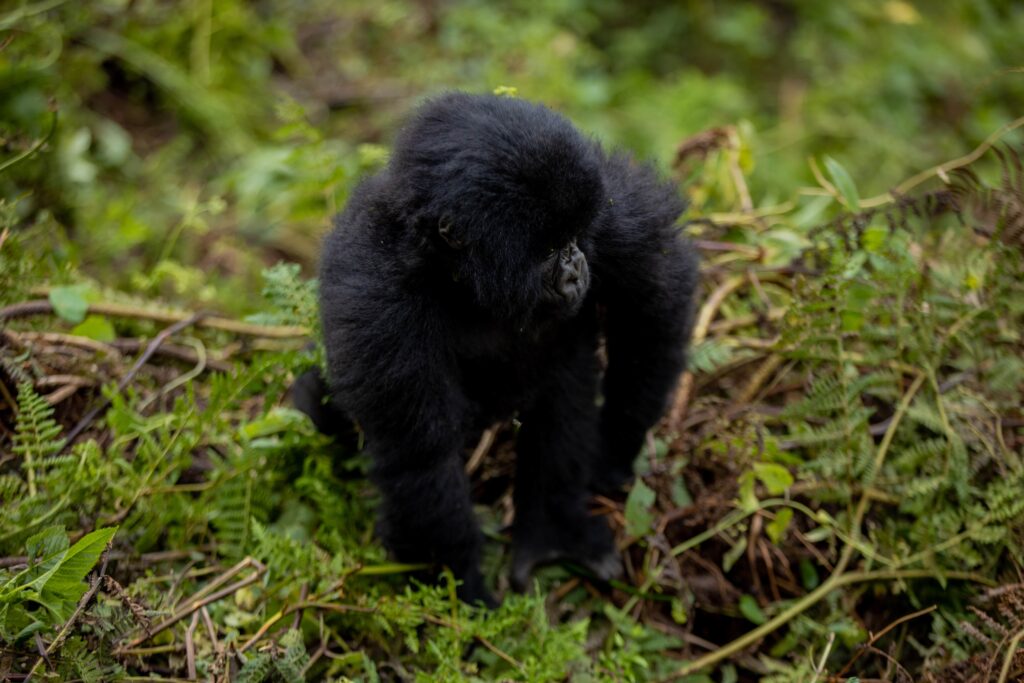
Gorilla trekking in Rwanda is a truly unforgettable experience, offering a rare chance to come face-to-face with one of the world’s most magnificent and endangered gorilla species. As part of Rwanda’s commitment to conservation, the government has put in place strict guidelines to ensure the safety and well-being of both the gorillas and visitors. One of the most important regulations is the requirement for visitors to wear masks during the trek. This crucial measure helps protect these incredible creatures from the transmission of human diseases, ensuring that future generations can continue to enjoy the awe-inspiring sight of gorillas in the wild. Learn more from Amahoro Tours on gorilla trekking and wearing masks and the overall goal of mountain gorilla conservation for the future!
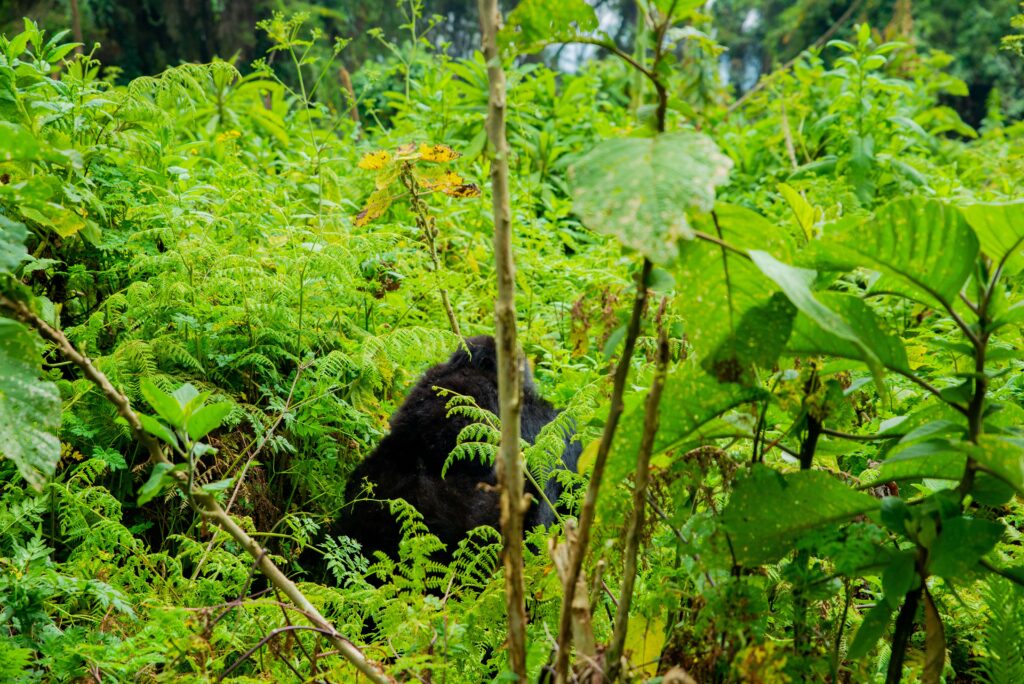
Why You Have to Wear a Mask while Gorilla Trekking in Rwanda
Our gorilla tours in Rwanda offers an incredible opportunity to see mountain gorillas in their natural habitat, but it comes with the responsibility of safeguarding their health. Gorillas, being genetically similar to humans, are highly vulnerable to human-borne diseases, especially respiratory illnesses that can have devastating effects on their populations. Rwanda enforces strict mask-wearing guidelines to minimize this risk, ensuring trekkers contribute to the protection of these endangered animals. Adhering to these rules is essential for responsible eco-tourism, preserving the integrity of the trekking experience, and supporting ongoing conservation efforts to ensure that future generations can witness these magnificent creatures in the wild.
The Risk of Disease Transmission Between Humans and Gorillas
Gorillas, like all animals, are susceptible to diseases that humans carry, especially respiratory illnesses such as the common cold, flu, and COVID-19. Due to their genetic similarities to humans, gorillas can contract these diseases from human visitors, which can lead to serious health complications or even death. The close proximity between trekkers and gorillas during encounters makes it especially important to take precautions, such as wearing masks, to reduce the risk of transmitting harmful pathogens that could devastate these vulnerable populations.
The Impact of Human Respiratory Illnesses on Gorilla Populations
Gorillas live in relatively small populations in the wild, making them especially vulnerable to disease outbreaks. Respiratory illnesses, which may only cause mild symptoms in humans, can be catastrophic for gorillas. Diseases like the flu or even a cold can lead to respiratory failure, making it harder for them to breathe, eat, or care for themselves. In some cases, outbreaks of human-borne diseases have caused the rapid decline of local gorilla groups, threatening the survival of these already endangered animals. Protecting gorillas from such threats is a critical component of ongoing gorilla protection efforts.
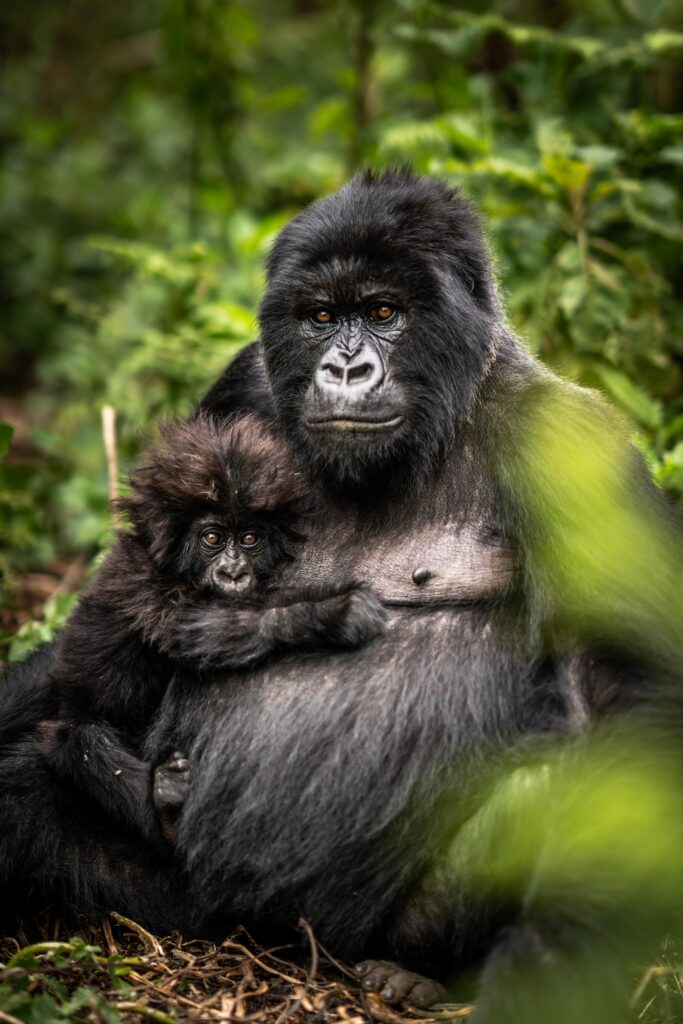 Legal and Ethical Obligations for Tourists to Protect Gorillas Through Mask-Wearing
In Rwanda, wearing masks while trekking is not only a protective measure but also a legal and ethical requirement for all visitors to gorilla habitats. These regulations are in place to safeguard the health of the gorillas and ensure that human activity does not contribute to their decline. Tourists are legally bound to follow these guidelines, which also help uphold Rwanda’s commitment to wildlife protection. Ethically, mask-wearing shows respect for the well-being of the gorillas, recognizing that our actions directly affect their survival and the preservation of their natural habitat. By adhering to these rules, visitors play a pivotal role in ensuring that future generations can experience the awe of seeing these incredible creatures in their natural environment.
The Significance of Gorilla Trekking
The best Gorilla tours in Rwanda presents a one-of-a-kind opportunity to observe these incredible creatures in their natural environment, fostering a deep connection with wildlife that is hard to replicate elsewhere. Witnessing gorillas interact in their social groups provides invaluable insight into their behaviors and enhances appreciation for their endangered status. Eco-tourism, when done responsibly, not only helps fund conservation efforts but also contributes to the protection of Virunga mountain gorilla habitats and supports local communities. Adhering to regulations like mask-wearing is critical in safeguarding both human and gorilla health, helping to prevent the transmission of diseases that could threaten these magnificent animals. By respecting these measures, trekkers play an active role in ensuring the future of gorillas and their ecosystems.
How Mask-Wearing Benefits Both Visitors and Gorillas
Mask-wearing while gorilla trekking plays a crucial role in preventing the transmission of human diseases to gorillas, which are highly susceptible to illnesses such as respiratory infections. These diseases, which might be harmless to humans, can have devastating effects on the health of gorillas, potentially leading to fatal outbreaks in their already fragile populations. By wearing masks, visitors contribute to the protection of these endangered species, ensuring that trekking experiences do not inadvertently harm the very animals they aim to admire and conserve.
Enhancing Safety For All
The mask requirement also enhances the safety of the entire trekking experience, benefiting not only the gorillas but also the local communities and park rangers who work tirelessly to protect these animals. By minimizing the risk of disease transmission, the health and well-being of everyone involved in the trekking process are safeguarded. Furthermore, these protective measures help maintain the sustainability of gorilla trekking as an eco-tourism activity, ensuring that future generations will continue to have the opportunity to witness these magnificent creatures in their natural habitat while supporting conservation and protection efforts.
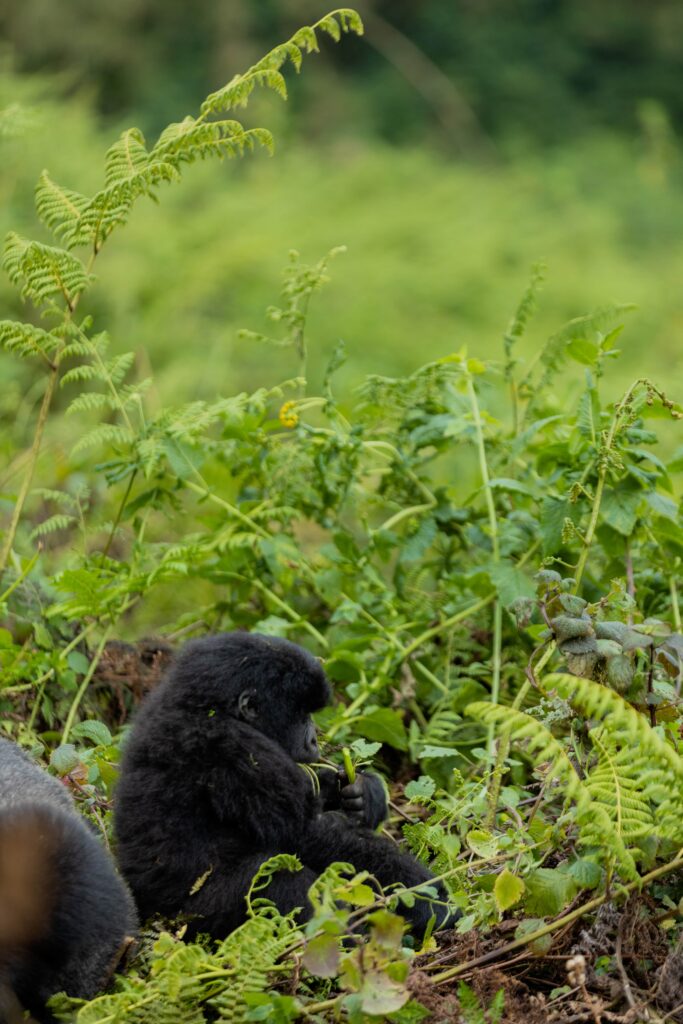 Proper Mask Usage During Gorilla Trekking – When
Proper mask usage is a key component of the responsible practice of gorilla trekking in Rwanda, aimed at safeguarding both the visitors and the gorillas from potential health risks. Approved masks, such as N95 or surgical masks, are required for the trek, ensuring the highest level of protection against airborne diseases. These masks must be worn securely, covering both the nose and mouth, and should be changed if they become wet or damaged. It is crucial to follow these guidelines, as masks not only protect the gorillas from potential human illness but also reduce the chance of cross-species contamination that could be devastating to these endangered creatures.
Solely Wearing Masks For 60 Minutes
Visitors are required to wear their masks for the full 60 minutes during their time with the gorillas, ensuring that the animals remain protected while in close proximity. This short window of mask usage allows trekkers to observe the gorillas in their natural habitat without posing a risk to their health. In addition, proper hygiene should be maintained during this time by avoiding touching the face or mask unnecessarily and ensuring hands are clean before and after mask adjustments. Visitors who fail to comply with these regulations, whether by not wearing a mask or using an unapproved one, could face penalties, which might include being removed from the experience to preserve the well-being of the gorillas and the integrity of the trekking program.
The Role of Tour Guides and Rangers in Enforcing the Mask Rule
Tour guides and park rangers are instrumental in ensuring that all visitors comply with the mask-wearing guidelines during gorilla trekking in Rwanda. Their role extends beyond enforcement; they educate trekkers on why mask usage is vital for protecting the gorillas, ensuring that masks are worn correctly and consistently. Rangers who focus on preservation actively monitor the trek, stepping in when necessary to maintain safety and prevent any actions that could disturb the gorillas or their natural habitat. Their expertise and presence help reduce human impact on the gorilla populations, reinforcing the importance of responsible tourism practices. Through their efforts, they cultivate awareness about the significance of gorilla conservation and set the standard for sustainable interactions with these endangered creatures.
What Happens If You Don’t Wear a Mask?
In Rwanda, adhering to the mask-wearing guidelines during gorilla trekking is non-negotiable, and failure to comply can have serious consequences. Visitors who refuse to wear a mask or fail to follow proper mask-wearing protocols risk being excluded from the trek altogether. This rule exists to protect the health of the endangered gorilla populations, as well as the safety of local communities and the environment. Understanding and respecting Rwanda’s laws and regulations is vital for responsible eco-tourism, ensuring that the trekking experience remains safe and sustainable for future generations. By following these rules, tourists contribute to the long-term conservation efforts that protect these magnificent creatures and their delicate habitat.
Preserve and Protect the Gorillas of Rwanda – Book Your Tour Today
Preserving the health of Rwanda’s gorillas is a shared responsibility, and following the mask-wearing guidelines is essential to ensuring their safety during your trekking adventure. By committing to responsible eco-tourism practices, including adhering to all health protocols, you contribute to the protection of these endangered species and their environment. Ready to embark on a meaningful journey? Book your gorilla trekking tour today and experience the thrill of seeing these majestic creatures up close, all while helping to preserve their future!
See What Our Guests Are Saying