
Ssezibwa Falls Day Tour in Uganda
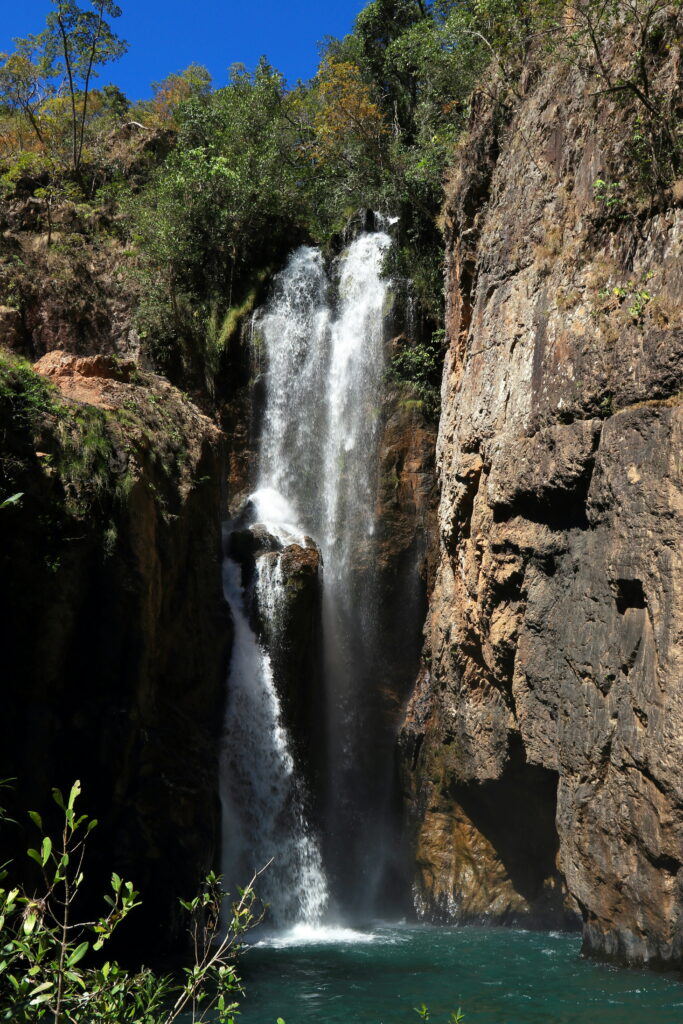
For travelers seeking a short but unforgettable escape from Kampala, Ssezibwa Falls offers the perfect combination of natural wonder and cultural heritage. Just a short drive from the city, the falls deliver breathtaking waterfalls, forest trails alive with wildlife, and sacred sites rich in Buganda history, making it an ideal half-day or full-day adventure with Amahoro Tours. This destination is perfect for those eager to explore Uganda’s landscapes, capture stunning photographs, and experience the traditions and stories that bring the falls to life. A great addition if you are in Entebbe Uganda o r Whether you’re interested in scenic views, cultural storytelling, or wildlife encounters, Ssezibwa Falls promises an exciting and immersive day in the heart of central Uganda.
Ssezibwa Falls – What To Expect On A Day Tour At Ssezibwa Falls
Ssezibwa Falls is an exhilarating day trip just east of Kampala, offering breathtaking waterfalls, lush trails, and rich Buganda cultural heritage. From exploring scenic viewpoints and forest paths to witnessing sacred shrines and vibrant wildlife, every moment promises adventure, stunning photography, and a deeper connection with Uganda’s natural and spiritual beauty.
 Where is Ssezibwa Falls Located?
Ssezibwa Falls is located in Mukono District in central Uganda, just off the Kampala–Jinja Highway, making it one of the most accessible natural attractions from the capital. The falls sit about 35 kilometers east of Kampala, which usually takes around 45 minutes to one hour by car depending on traffic along the highway. Travelers coming from Entebbe can expect a journey of roughly 1.5 to 2 hours, typically passing through Kampala before continuing toward Jinja.
Driving Down Kampala-Jinja Road
As you drive along the Kampala–Jinja road, the route passes familiar landmarks such as Mukono town and the area around Uganda Christian University. Shortly after this section of the highway, a marked turnoff leads visitors toward Ssezibwa Falls. From the main road, the final part of the journey follows smaller countryside roads where travelers pass farms, scattered homes, and patches of greenery that signal the approach to the Ssezibwa River. Because of its convenient location between Kampala and Jinja, the falls make an easy and relaxing stop for travelers looking to enjoy nature without traveling far from the capital.
The Cultural and Spiritual History of Ssezibwa Falls
Ssezibwa Falls holds deep cultural and spiritual significance in Buganda traditions, with a legendary origin story that tells of a woman who gave birth to twin rivers, one of which became the Ssezibwa River. Over generations, the site has been regarded as sacred, attracting local communities for prayers and rituals connected to blessings, fertility, and protection. The falls remain a place where cultural heritage and spiritual practices are preserved, and visitors can experience the reverence and storytelling that continue to shape the identity of the surrounding villages.
Best Time to Visit Ssezibwa Falls
The best time to visit Ssezibwa Falls combines peak water flow with optimal lighting, creating an unforgettable visual experience. Whether during the rainy season’s dramatic cascades or the calm, sunlit dry months, every visit offers the thrill of exploring vibrant trails, photographing stunning scenery, and feeling the energy of the falls up close.
Rainy Seasons and Water Flow
The most dramatic displays at Ssezibwa Falls occur during the rainy seasons, which typically run from March to May and again from September to November. During these months, increased rainfall swells the Ssezibwa River, creating powerful cascades and mist-filled views that make the falls especially striking. Temperatures during the rainy season usually range between 22°C and 28°C, and while occasional showers are expected, the lush greenery and full river flow make the visit particularly rewarding for nature enthusiasts.
Dry Seasons and Year-Round Beauty
Even during the drier months, from December to February and June to August, Ssezibwa Falls remains a beautiful destination. While the water flow is less intense, the calmer river allows for more intimate views of the rocks, smaller waterfalls, and surrounding wildlife. Daytime temperatures during the dry periods generally range from 23°C to 30°C, offering warm and comfortable conditions for walking the trails and exploring the area without the heavy rainfall of the wet months.
Ideal Time for Photography and Exploration
Mornings and early afternoons are the best times to visit, regardless of the season, as the sunlight provides soft, natural illumination that enhances both the scenery and photographic opportunities. During these hours, the trails are cooler and easier to navigate, allowing visitors to enjoy peaceful walks along the river, capture vibrant shots of the falls, and observe wildlife without the midday heat or heavier visitor crowds.
How Long To Spend at Ssezibwa Falls
Most visitors find that spending 2 to 3 hours at Ssezibwa Falls allows enough time to fully enjoy the site. This includes walking the forest trails, exploring the viewpoints, observing wildlife, and visiting the cultural shrines.
For travelers who want a more relaxed experience, half a day is ideal, giving extra time for photography, picnics, and immersive storytelling with local guides. Those combining the falls with nearby attractions or a longer day tour from Kampala may plan for 4 to 5 hours, allowing a comfortable pace while taking in the natural beauty and cultural history.
Even a shorter 1.5-hour visit can be rewarding for those with limited time, focusing on the main waterfall, quick trail walks, and capturing scenic photos along the riverbanks.
Can Kids Go To Ssweziba Falls
Yes, Ssezibwa Falls is suitable for children, though preparation depends on their age and activity level. The trails are generally safe and manageable, but parents should plan according to the child’s stamina and interest.
Young Children (Ages 3–7)
For younger kids, focus on the main waterfall and easy viewing platforms. Bring snacks, water, and hats, and keep walks short. Close supervision is important near riverbanks and rocky areas, where surfaces can be slippery.
Older Children (Ages 8–12)
Older children can handle longer walks along the forest trails and explore hidden viewpoints. Encourage them to observe wildlife and ask questions about the cultural stories shared by guides. Comfortable shoes and insect repellent are recommended.
Teenagers (Ages 13+)
Teens can enjoy the full experience, including extended trails, photography, and learning about local customs and spiritual significance. They can actively participate in storytelling sessions and interact with local custodians, making the visit both educational and adventurous.
Overall, with proper preparation, Ssezibwa Falls can be an exciting and safe day tour for children of all ages, offering nature, culture, and adventure in one accessible location.
Top Things to Do at Ssezibwa Falls
 During a visit to Ssezibwa Falls, guests can enjoy a variety of activities that showcase both the natural and cultural importance of the area.
Wildlife and Nature Around Ssezibwa Falls
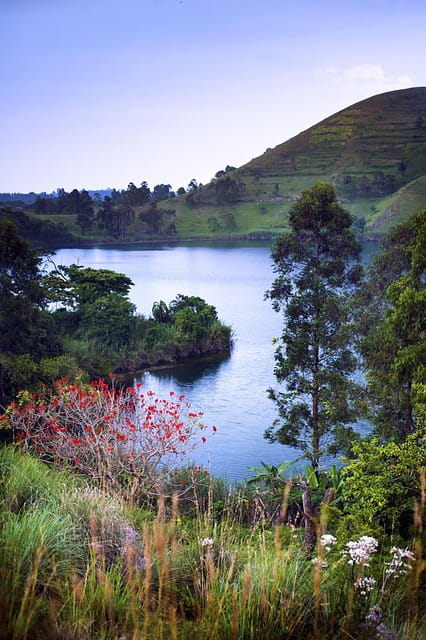
The natural environment surrounding Ssezibwa Falls supports a diverse range of wildlife adapted to riverine forests, rocky cliffs, and wetlands along the Ssezibwa River. The mixture of flowing water, dense vegetation, and quiet woodland creates a favorable habitat for many species that thrive in central Uganda’s ecosystems. While the site is known for its cultural importance, visitors also discover a vibrant natural setting filled with birds, primates, reptiles, and aquatic life. Because the area receives fewer visitors than Uganda’s national parks, wildlife can often be observed in a calm and undisturbed environment, making it especially appealing for nature enthusiasts and photographers.
Mammals
The wooded areas surrounding Ssezibwa Falls support several small mammals that are well adapted to riverine forest habitats. Primates and small tree-dwelling species are most commonly seen, moving through the canopy and foraging along the edges of the river.
Vervet Monkeys
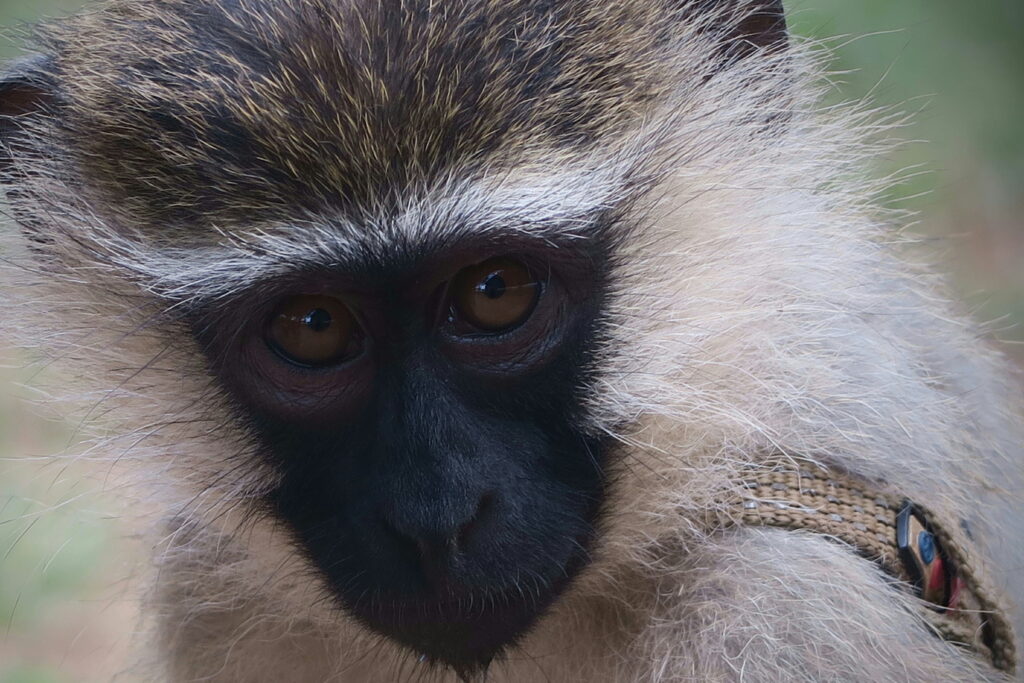
Vervet monkeys are among the most frequently seen mammals around Ssezibwa Falls. These agile primates move through the trees and open spaces along the riverbanks, often traveling in small groups. Their grayish fur and expressive black faces make them easy to identify as they forage for fruits, seeds, and insects in the surrounding vegetation.
Red-Tailed Monkeys
Red-tailed monkeys occasionally appear in the forest canopy near the falls. Recognizable by their reddish tail and distinctive facial markings, these monkeys prefer wooded habitats where they can leap between branches in search of fruit and leaves. Observing them requires patience, as they often remain high in the trees.
Bush Squirrels
Small bush squirrels inhabit the wooded areas around the falls, darting quickly between tree trunks and branches. These energetic mammals spend much of their time gathering seeds and nuts, contributing to the forest ecosystem by helping disperse plant seeds throughout the area.
Birds
The mix of forest, water, and open clearings around the falls creates excellent conditions for a variety of bird species. Both river-dependent birds and colorful forest dwellers can be observed throughout the area, making the site appealing for casual birdwatching
Pied Kingfisher
The pied kingfisher is commonly seen hovering above sections of the Ssezibwa River before diving sharply into the water to catch fish. Its striking black-and-white plumage and hovering hunting technique make it one of the most recognizable birds in the area.
African Fish Eagle
Occasionally spotted along the river, the African fish eagle is known for its powerful presence and distinctive call. With its white head, brown body, and broad wings, it often perches in tall trees overlooking the water, scanning the river for fish below.
Great Blue Turaco
The great blue turaco adds a vibrant splash of color to the forest canopy surrounding Ssezibwa Falls. With bright blue feathers and a bold yellow beak, this large bird moves gracefully through the treetops while feeding on fruits and leaves.
Village Weaver
Village weavers are frequently seen near the open areas around the falls. These small yellow birds are famous for their intricate hanging nests, which they weave from grasses and suspend from tree branches close to water sources.
Reptiles
Reptiles thrive in the warm rocks and riverbanks near Ssezibwa Falls where sunlight and water provide ideal living conditions. These species are typically seen basking on exposed stones or moving quietly along the vegetation close to the river.
Nile Monitor Lizard
The Nile monitor lizard occasionally appears along the riverbanks and rocky areas near the falls. This large reptile is an excellent swimmer and often hunts for fish, small animals, or eggs near the water’s edge.
Agama Lizards
Agama lizards can be spotted basking on rocks warmed by the sun around the falls. Male agamas are especially noticeable because of their vivid blue bodies and bright orange heads, creating a colorful contrast against the stone surfaces.
Amphibians
Moist environments created by the flowing river and shaded forest floor provide a suitable habitat for amphibians around the falls. Many of these species become active after rainfall or during the evening when humidity levels rise.
African Common Toad
The African common toad inhabits the moist environments near the river and shaded forest floor. Active mostly in the evening and after rainfall, these amphibians play an important role in controlling insect populations.
Reed Frogs
Reed frogs can sometimes be found in vegetation close to the water. These small amphibians are known for their bright green coloration and distinctive nighttime calls, which echo softly through the riverside plants.
Fish
The Ssezibwa River supports freshwater fish that inhabit calmer pools and flowing sections near the falls. These aquatic species form an essential part of the river ecosystem and provide a food source for birds and other wildlife along the water.
Tilapia
Tilapia species live within the calmer sections of the Ssezibwa River below the falls. These fish are well adapted to freshwater habitats and form part of the aquatic ecosystem that supports birds and other wildlife along the river.
African Catfish
African catfish inhabit deeper pools within the river system. Known for their whisker-like barbels and ability to survive in varying water conditions, they are an important part of the river’s food chain.
What to Expect on a Ssezibwa Falls Day Tour with Amahoro Tours
A day tour with Amahoro Tours starts with a comfortable drive from Kampala, passing through scenic countryside and small villages that hint at the rural charm of central Uganda. Once at Ssezibwa Falls, expert guides lead visitors along forested trails, pointing out hidden viewpoints and sharing captivating stories about the river’s legendary origins. Guests have the chance to meet local custodians who preserve the cultural traditions of the site, providing an immersive experience that blends history, spirituality, and the natural beauty of the falls. Between exploring the trails, observing wildlife, and enjoying the serene river views, every moment is designed to make travelers feel fully connected to this remarkable landscape.
Why Add Ssezibwa Falls to Your Uganda Itinerary
Ssezibwa Falls is a must-visit stop for anyone seeking a unique cultural and natural experience in central Uganda. Its combination of dramatic waterfalls, lush forest trails, and deeply rooted Buganda traditions offers an adventure that goes beyond typical safaris. Easily reachable from Kampala, the site allows travelers to immerse themselves in authentic local life while capturing striking scenery and gaining insight into Uganda’s rich heritage. For those looking to blend adventure, storytelling, and natural beauty in a single day, Ssezibwa Falls provides a thrilling and unforgettable addition to any itinerary.
Schedule A Ssezibwa Falls Day Tour Today
Enhance your chimpanzee trekking in Uganda adventure or our 4 Days gorilla and golden monkey tracking in Uganda by adding a guided Ssezibwa Falls Day Tour with Amahoro Tours. This unforgettable experience lets you explore not just the stunning waterfall but also the rich stories, traditions, and communities that give the site its deeper meaning. Perfect as a half-day or full-day excursion, the tour blends natural beauty with cultural insight, offering a meaningful complement to your wildlife adventure and a unique way to connect with Uganda’s landscapes and heritage.
See What Our Guests Are Saying