
Red Rocks Stone Grinding Experience
Step into the heart of Rwandan tradition at Red Rocks Rwanda, where culture and sustainability come together in an unforgettable experience. Here, you’ll discover the ancient art of stone grinding—an essential practice passed down through generations to process grains like wheat, barley, and cereal. This hands-on activity offers more than just a glimpse into history; it’s a connection to the land, the people, and the eco-friendly traditions that continue to shape daily life. Engage with local communities, feel the rhythm of tradition in your hands, and be part of a sustainable journey that honors Rwanda’s rich heritage. Learn more from Amahoro Tours on this incredible cultural experience with Red Rocks Rwanda now.
Rwandan Stone Grinding
For centuries, stone grinding has been a vital part of Rwandan food preparation, ensuring that grains such as sorghum, barley, millet, and maize were transformed into flour for everyday meals. Before modern milling, families relied on this hands-on technique, often working together in a communal setting where knowledge was shared across generations. The rhythmic motion of grinding was not just about food production—it was a cultural practice that connected people to their heritage. Today, this tradition remains a testament to Rwanda’s deep-rooted customs, reflecting a time when food preparation was both an art and a necessity.
Manual Grinding vs Mechanical Milling
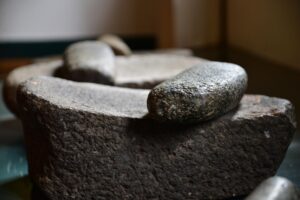
Method of Stone GrindingThe method of stone grinding is both simple and labor-intensive, requiring a large flat stone as a base and a smaller handheld stone to break down grains through a steady back-and-forth motion. This technique preserves the natural oils and nutrients of the grain, resulting in flour that is rich in texture and flavor. Unlike mechanized milling, which strips grains of essential fiber, stone grinding maintains the original integrity of each kernel. At Red Rocks Rwanda, visitors can engage in this process firsthand, experiencing the effort, patience, and skill required to create flour using this ancient method.
Which Crops Are Ground in Rwandan Culture
In traditional Rwandan cuisine, stone-ground flour plays a key role in preparing staple foods. Sorghum and millet flour are the foundation of porridge, a nutritious meal enjoyed throughout the country. Ground maize is used to prepare ugali, a dense side dish often paired with vegetables, beans, or stews. Additionally, sorghum flour is essential in brewing urwagwa, a locally crafted banana beer, and in making ikivuguto, a fermented milk drink enriched with grain. By using stone-ground flour, these dishes retain their authentic flavors and nutritional benefits, ensuring that every meal remains true to its origins.
Stone Grinding Classes
At Red Rocks Rwanda, stone grinding is more than just a hands-on activity—it’s an opportunity to connect with Rwanda’s heritage and embrace sustainable tourism. This experience allows visitors to appreciate the craftsmanship involved in traditional food preparation while supporting eco-friendly practices that keep cultural traditions alive. By participating, travelers gain a deeper understanding of Rwanda’s agricultural roots and the significance of preserving indigenous methods. For those seeking an immersive cultural experience, learning the art of stone grinding offers a rare glimpse into the past while contributing to the future of responsible tourism.
Understanding the Tools & Materials
Before grinding begins, guests are introduced to the tools essential for the process. A large, flat base stone serves as the grinding surface, while a rounded handheld stone is used to crush grains into flour. Amahoro Tour guides explain the importance of selecting the right stones, ensuring durability and efficiency. Visitors feel the texture and weight of the tools, gaining a sense of the precision required. This foundational knowledge prepares them for the hands-on portion of the experience.
Mastering the Grinding Technique
Participants start by placing whole grains onto the base stone, applying steady pressure with the handheld stone. Using a rhythmic back-and-forth or circular motion, they break down the grains gradually. Guides offer tips on maintaining balance and consistency, ensuring an even grind. The repetitive motion mimics the traditional method passed down through generations. Guests quickly learn that patience and precision are key to achieving a fine, usable flour.
 Traditional Stone Grinding Experience at Red Rocks Rwanda
Red Rocks has its finger on the pulse of the local community. Whenever you’d like to experience authentic Rwandan traditional living, they’ll be at your service with a whole host of hands-on activities, such as the popular stone grinding course. [..]
Stone grinding takes you back to a different era. This is the traditional method used across the world to grind cereal crops, and many people still do it today. Before flour mills and hand grain mills became widely available, everyone needed to grind their own wheat, corn, barley, rice and other edible grain to put food on the table.
Craving for some buns, a pint of beer or a slice of naan bread? Well, you’re not likely to find any ready-made bread or beverage in a typical Rwandan home. But the old-world technique of grinding millet and sorghum on the local grinding stone is yours to try. Go on; give it a try!
Connecting with the Community
One of the most rewarding aspects of the experience is engaging with local artisans and elders. These community members share personal stories about how stone grinding has shaped their daily lives. Visitors learn how the practice once brought families together, reinforcing bonds through shared labor. Conversations reveal the importance of passing this tradition to younger generations. Through these interactions, guests leave with a profound respect for Rwandan culture and its enduring culinary heritage.
Book a Rwanda Stone Grinding Experience with Amahoro Tours
Step beyond the ordinary and add a truly enriching experience to your Rwandan adventure with a visit to Red Rocks Rwanda. Here, you won’t just observe—you’ll take part in an ancient tradition, feeling the weight of the grinding stone in your hands as you transform raw grains into fine flour, just as generations before have done. The rhythmic motion, the earthy aroma of fresh flour, and the wisdom shared by local artisans create an experience that engages all your senses. This is more than a lesson in food preparation; it’s a connection to Rwanda’s heritage, a celebration of sustainability, and a hands-on way to support local communities. Make best gorilla trekking in Rwanda tour even better — let Amahoro Tours guide you to this incredible cultural experience at Red Rocks Rwanda.