
Where To Find White Rhinos and Black Rhinos in the World – Spotlight on Rwanda
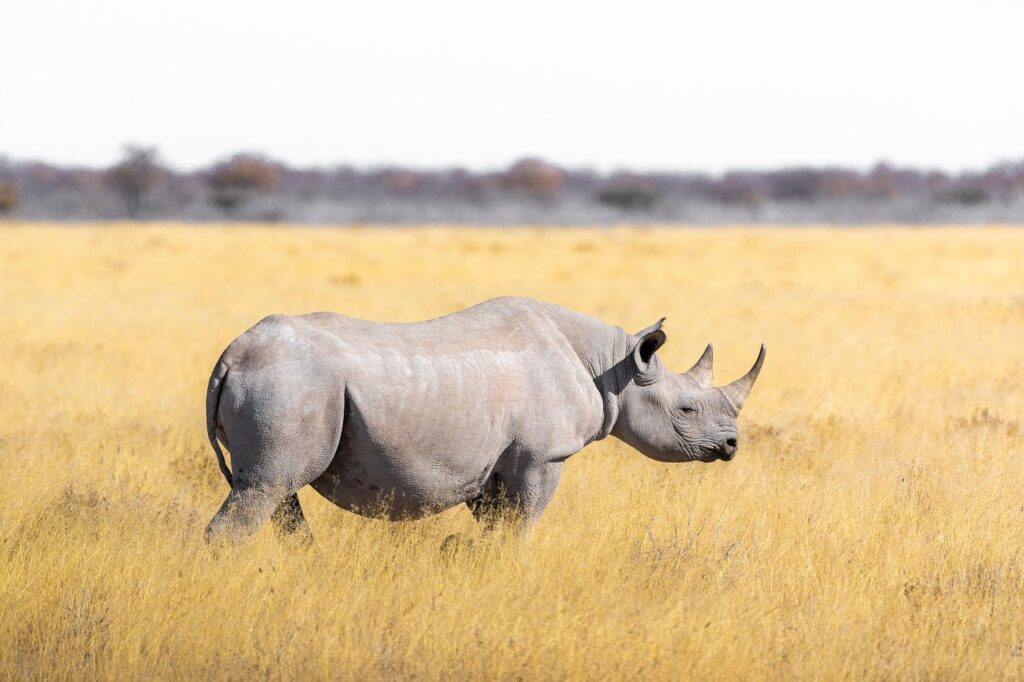
Few animals inspire the same sense of wonder as rhinos, with their power, rarity, and ancient presence drawing travelers from across the globe to see Rwanda Rhino. People often search for where to find white rhinos in the world or seek out where to find black rhinos in the world, looking to the plains of Africa or protected regions in Asia. But Rwanda is now stepping into the spotlight as one of the best places to experience these remarkable species up close. With Amahoro Tours, visitors can explore Akagera National Park and beyond, discovering both white and black rhinos in a setting that blends breathtaking safaris with meaningful conservation. Learn more more about seeing Rhino on our tours in Rwanda and other areas around the world now!
Where To Find Rhinos Around World: A Global Perspective
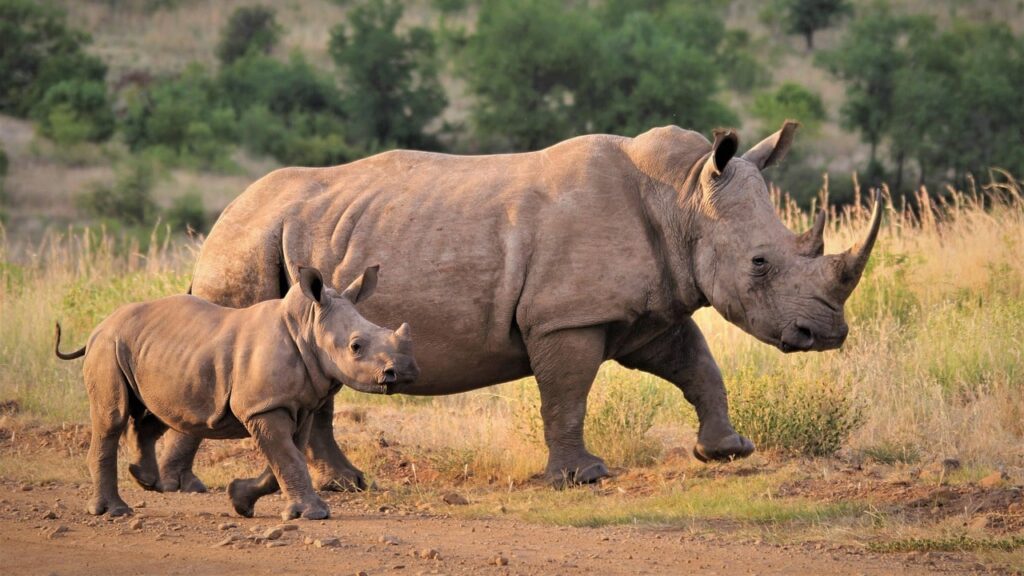
Rhinos roam across both Africa and Asia, though their populations are divided among distinct species adapted to different environments. In Africa, travelers are most familiar with the white and black rhinos, often spotted in savannas and national parks. Meanwhile, Asia is home to the rare greater one-horned rhino of India and Nepal, along with the critically endangered Javan and Sumatran rhinos found in small pockets of forest. Together, these regions highlight the global spread of rhinos and the diverse habitats where they still survive today. The conservation of Rhinos in Rwanda is at the forefront for all.
Best Places To Find Black Rhinos and White Rhinos For Your Next Tour
Across the globe, rhinos survive in varied landscapes, from Asia’s floodplains to Africa’s deserts, wetlands, and woodlands. Countries like South Africa, Kenya, India, and Namibia each provide a different glimpse into how these animals adapt and how conservation takes shape in unique ways.
South Africa Rhinos
South Africa is home to the largest rhino population in the world, particularly concentrated in Kruger National Park and private reserves. The country has played a pivotal role in protecting the southern white rhino, whose recovery from near extinction is one of conservation’s greatest success stories. Unlike other regions, South Africa offers travelers a high probability of sightings due to both sheer numbers and well-managed safari infrastructure.
Rhinos in Namibia
Namibia stands out for its desert-adapted black rhinos, which roam the arid landscapes of Damaraland and Etosha National Park. This population has adapted to survive in one of the harshest climates, giving visitors a completely different experience from the savanna encounters of South Africa or Kenya. Namibia also pioneered community-based conservation, meaning local people are deeply involved in protecting rhinos in their fragile environment.
Kenyan Rhinos
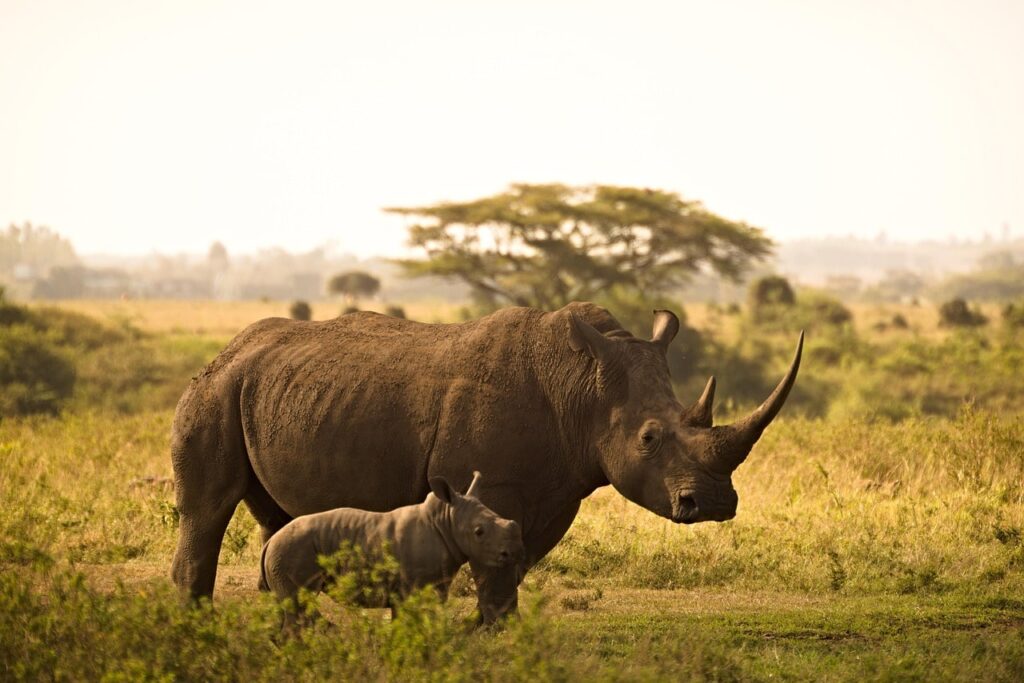
Kenya is globally recognized for its stronghold of black rhinos and a significant population of southern white rhinos. The Ol Pejeta Conservancy is especially famous as the home of the last two northern white rhinos on Earth, making it a destination with both conservation urgency and emotional weight. While South Africa may boast larger numbers, Kenya’s rhino reserves combine wildlife viewing with groundbreaking preservation efforts.
Rhino in Zimbabwe
Zimbabwe maintains healthy populations of both black and white rhinos, most notably in Matobo National Park and Hwange. What makes Zimbabwe unique is its history of protecting rhinos through intensive monitoring and anti-poaching units, even during times of political and economic challenge. Unlike the arid-adapted rhinos of Namibia, Zimbabwe’s rhinos inhabit rugged hills and woodlands, providing a different ecological backdrop for sightings.
Indian Rhinos
India is the only country where travelers can see the greater one-horned rhinoceros in large numbers, particularly in Kaziranga National Park. Unlike Africa’s species, these rhinos thrive in floodplains and tall grasses, creating a safari landscape very different from the savannas. India’s rhino success story is one of resilience, as dedicated conservation turned a once-declining species into a population now numbering in the thousands.
Rhinos in Nepal
Nepal’s Chitwan National Park shelters a smaller but stable population of greater one-horned rhinos, sharing the same species found in India. What sets Nepal apart is the chance to see rhinos against the dramatic backdrop of Himalayan foothills, a landscape unlike any other rhino habitat in the world. Conservation here is deeply tied to both military protection and community engagement, creating one of Asia’s most inspiring recovery stories.
Botswana Rhinos
Botswana has reintroduced rhinos into the Okavango Delta, where they share the wetlands with elephants, hippos, and abundant birdlife. This is one of the most unique rhino habitats globally, with sightings often made during mokoro (canoe) excursions or water-based safaris. While populations remain smaller than in South Africa, the experience of encountering rhinos in Botswana feels remote, exclusive, and deeply tied to pristine wilderness.
Tanzanian Rhinos
Tanzania’s black rhinos are most famously associated with the Ngorongoro Crater, where sightings take place against the backdrop of a vast volcanic caldera teeming with wildlife. Unlike Kenya, which has large fenced conservancies, Tanzania’s rhinos live in expansive open landscapes, giving visitors a sense of their natural range. Although numbers are limited, each sighting carries a sense of rarity and significance.
Eswatini Rhinos
Eswatini (formerly Swaziland) may be small, but it has made outsized contributions to rhino conservation. Both black and white rhinos are protected in tightly managed reserves such as Mkhaya Game Reserve, where anti-poaching measures are among the strictest in Africa. Compared to larger nations, Eswatini offers a more intimate safari setting, often allowing close and safe encounters that highlight its strong focus on rhino protection.
The Importance of Rwanda Rhino Conservation
Rhinos once faced near disappearance in Rwanda, but today the country stands as a remarkable success story in conservation. After years of dedicated protection efforts, both black and white rhinos have returned, with ANP serving as the core sanctuary for these iconic animals. This thriving reserve now symbolizes Rwanda’s role in safeguarding rhinos while offering travelers an extraordinary place to witness them in their natural habitat. Learn more about how to see these Rhinos on our Akagera National Park tours.
The Rwanda White Rhino Experience
Akagera National Park has become one of East Africa’s most inspiring safari destinations, where eastern white rhinos once thought lost now roam freely again. Every sighting here feels extraordinary, blending breathtaking scenery with Rwanda’s powerful story of conservation success and renewal.
Eastern White Rhino Population in Akagera
Akagera National Park now protects an estimated 111+ eastern white rhinos, making it one of the rare strongholds for this species in East Africa. Their return is more than a conservation achievement—it represents Rwanda’s determination to restore a species that had disappeared for years, turning the park into a living symbol of resilience and renewal.
Why Seeing a Rwanda White Rhino is Unique
Watching a Rwanda white rhino in Akagera feels different than anywhere else in Africa, because the setting carries a story of resilience and renewal. Unlike busier safari circuits, this safari tour in Rwanda offers travelers an intimate chance to see these powerful animals thriving in a park where every sighting reflects a hard-fought conservation success.
Spotting White Rhinos on Game Drives
Game drives in Akagera are unforgettable, especially in the early mornings or late afternoons when wildlife is most active and the golden light paints the savannah. The best months to visit are during the dry seasons from June to September and December to February, when vegetation is thinner and eastern white rhinos are easier to spot, making every sighting a powerful reminder of Rwanda’s conservation triumph. Amahoro offers sustainable game drive practices to help increase conservation!
The Rwanda Black Rhino Experience
Experiencing Rwanda on a safari tour offers a rare chance to see the elusive southern black rhino thriving once again in Rwanda’s Akagera National Park. These tours combine adventure with conservation, allowing travelers to witness a critically endangered species in its natural habitat while supporting Rwanda’s ongoing protection efforts. Every sighting of a black rhino here is a memorable highlight, making the journey both thrilling and meaningful.
Why Choose Rwanda to See Rhinos
Rwanda stands out as a must-visit destination for anyone eager to witness rhinos up close, offering an experience that feels personal, immersive, and unforgettable. Unlike larger, busier safari countries, Rwanda provides unmatched accessibility, abundant wildlife, and the thrill of seeing both black and white rhinos in their natural habitat. Every visit supports Rwanda’s eco-tourism and community programs, allowing travelers to explore breathtaking landscapes while contributing directly to conservation and the well-being of local communities, making a safari here as impactful as it is exhilarating.
Planning Your Rhino Safari in Rwanda
Planning a rhino safari in Rwanda requires timing, guidance, and a commitment to responsible travel. The best months to explore Rwanda are during the dry seasons, when wildlife is most active and easier to spot across the open grass lands. Travelers can maximize their experience through guided game drives and expert-led tours, which not only enhance wildlife viewing but also provide valuable insight into the park’s ecosystems. Choosing a trusted tour company ensures that your adventure supports conservation efforts, helping protect Rwanda’s rhinos while delivering a safe, unforgettable safari experience.
FAQS About White White Rhino vs Black Rhinos
Differences Between Black Rhino and White Rhino
Black rhinos are browsers with a pointed lip designed for eating shrubs, while white rhinos are grazers with a wide, square mouth built for grass. They also differ in size, with white rhinos being larger and more social than the more solitary black rhino.
Are black rhinos more aggressive than white rhinos?
Yes, black rhinos tend to be more defensive and quick to charge when they feel threatened. White rhinos are generally calmer, preferring to graze quietly unless disturbed.
Which rhino is more rare, black or white?
Black rhinos are far rarer, with populations much lower than white rhinos due to heavy poaching. Their survival depends heavily on strict protection and conservation programs.
Which is bigger White Rhino or Black Rhino?
White rhinos are the largest, weighing nearly twice as much as black rhinos on average. Their wide mouths and bulkier build make them easy to distinguish.
Which Rhino Makes Up The Big 5 In Rwanda?
In Rwanda, it’s the black rhino that counts as part of the famous Big 5 in Rwanda. They can be seen in Akagera National Park, where they were successfully reintroduced.
Amahoro Tours – Best Rhino Safari Tours In Rwanda
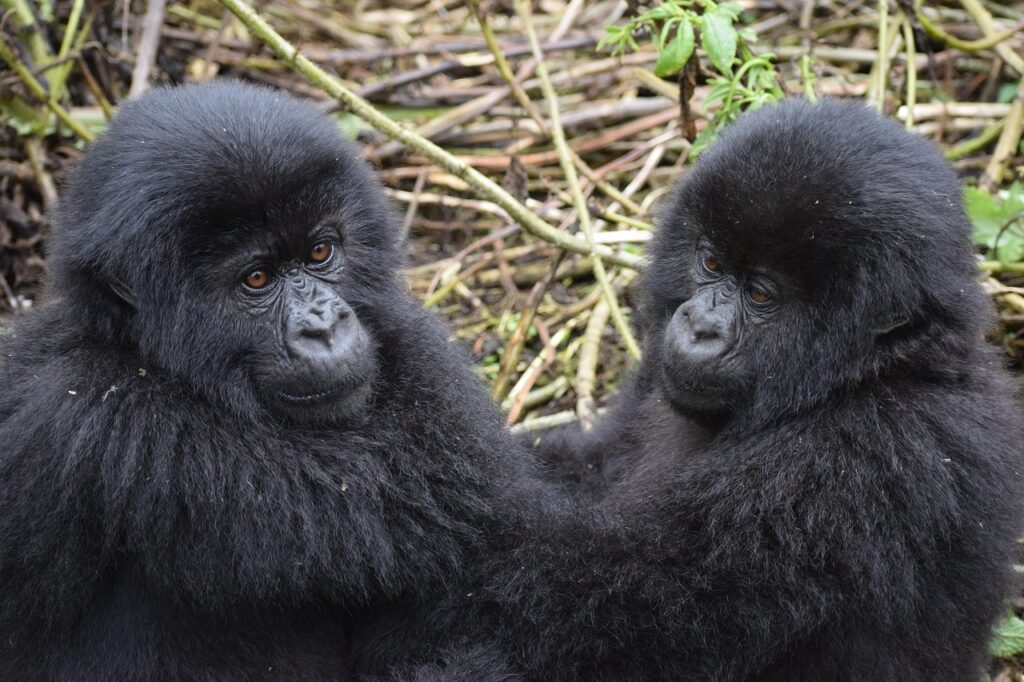
Discover the untamed magic of Rwanda on a breathtaking adventure that pulses with excitement, wonder, and connection. Witness the Big Five roam freely across Akagera’s vast savannahs, trek among majestic mountain gorillas in the misty Virunga Mountains, and wander through vibrant forests teeming with playful chimpanzees and golden monkeys, all while immersing yourself in the rich culture, stunning landscapes, and heartfelt stories of Rwanda’s people.
3 Day Akagera National Park Safari Tour
Experience the heart of Rwanda on this 3-day Akagera Safari Tour, where expansive grass lands, glistening lakes, and vibrant wetlands set the stage for unforgettable wildlife encounters. Over two nights, you’ll enjoy thrilling game drives, a special boat excursion on Lake Ihema, and a unique night safari, all guided by expert rangers who bring the park’s rich biodiversity to life. From spotting lions, elephants, giraffes, and hippos to glimpsing rare birds like the shoebill stork, every moment immerses you in Rwanda’s wild beauty. This carefully curated adventure combines comfort, safety, and sustainable tourism, ensuring you witness the magic of Rwanda while supporting vital conservation efforts.
GORILLAS & WILDLIFE ADVENTURE Tour
Get ready for an unforgettable 6-day adventure in wilderness safari in Rwanda, combining the thrill of our Rwanda safaris with the once-in-a-lifetime experience of gorilla trekking in the Virunga Mountains. This journey takes you through diverse landscapes—from expansive savannahs and sparkling lakes filled with hippos and crocodiles, to misty rainforests where mountain gorillas roam freely. Along the way, you’ll connect with local culture through hands-on experiences like traditional banana beer brewing and Agaseke basket weaving, all while traveling with expert guides who make every moment extraordinary. With sunrise game drives, boat excursions, and intimate encounters with gorillas, this tour with Amahoro Tours offers a perfect balance of adventure, wildlife, and conservation, creating memories you’ll treasure forever.
The Magical Rwanda Safari
Embark on the best 10 day Rwandan itinerary that blends thrilling wildlife encounters, intimate primate experiences, and rich cultural immersion into one unforgettable journey. Explore the rolling prairies and sparkling lakes of Akagera National Park, where the Big Five roam freely, trek through the lush rainforests of Nyungwe National Park in search of playful chimpanzees, and ascend the slopes of the Virunga Mountains to meet majestic mountain gorillas up close. Along the way, discover golden monkeys in their bamboo forest home, experience local traditions through banana beer brewing and basket weaving, and unwind on the tranquil shores of Lake Kivu. With expertly guided game drives, canopy walks, and vibrant cultural exchanges, this journey with Amahoro Tours offers a rare chance to connect deeply with Rwanda’s wildlife, landscapes, and people, creating memories that will last a lifetime.
Rwanda On The Spot Tour Package
Experience an extraordinary 11-day Safari Tour through Rwanda, blending thrilling wildlife encounters with rich cultural experiences. Begin in Kigali, where the city’s vibrant energy and history set the tone for the journey, then head to Nyungwe National Park to trek through lush forests in search of endangered chimpanzees and take in breathtaking views from the canopy walk above the treetops. Sail across the sparkling waters of Lake Kivu, explore charming lakeside towns, and connect with local communities through hands-on cultural activities, including traditional banana beer brewing and artisan crafts. In Volcanoes National Park, witness the playful golden monkeys and spend unforgettable moments with majestic mountain gorillas, while learning about conservation efforts at the Karisoke Research Center. Discover Akagera National Park’s diverse landscapes on game drives, enjoy boat rides on serene lakes, and experience the thrill of a night safari to observe the park’s nocturnal wildlife. Conclude in Kigali with a captivating city tour, celebrating Rwanda’s resilience, culture, and artistry. This 11-day journey promises unforgettable scenery, incredible wildlife encounters, and meaningful connections with both nature and local communities.
Schedule Your Rhino Tour In Rwanda Today
Rwanda offers an unmatched opportunity to witness rhinos thriving in the wild, where both the elusive southern black rhino and the majestic eastern white rhino roam freely once again. With Amahoro Tours, travelers can exploring our Rwanda parks through guided game drives and carefully curated safari experiences, combining breathtaking wildlife encounters with meaningful conservation impact. Seeing these iconic animals in Rwanda is more than a safari—it’s a chance to be part of a remarkable story of recovery, resilience, and the ongoing protection of some of the world’s most extraordinary species. While Amahoro Tours offers incredible tours such as our 1 day Rwanda gorilla trek and Virunga Massif Tour, ensuring you see the white or black rhino while in Rwanda is pivotal! Contact us today to learn more now.
See What Our Guests Are Saying