
Mabamba Shoebill Watching Swamp Tour Uganda: Discover Uganda’s Famous Shoebill Wetland Sanctuary
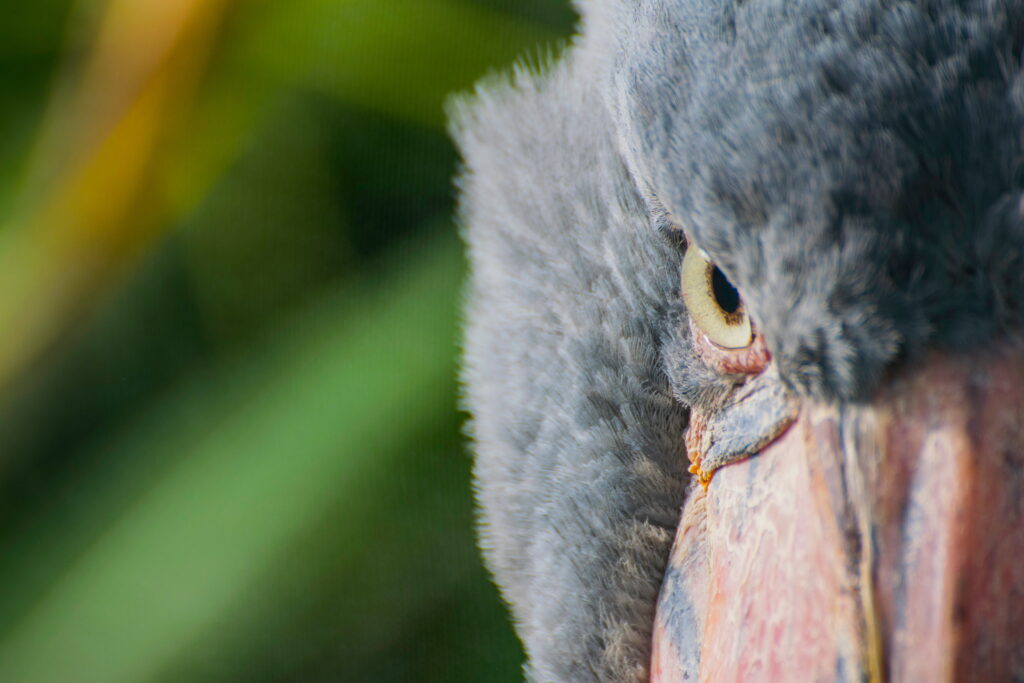
For birders, few experiences compare to the thrill of spotting a Shoebill in the wild, and there is no better place to begin that search than Mabamba Bay Swamp. Our Mabamba Shoebill Watching Tour is perfect to any avian enthusiast looking to see East African birds. Nestled along the northern shores of Lake Victoria, this internationally recognized wetland has become one of Africa’s most celebrated birding destinations, attracting enthusiasts from around the world in pursuit of rare and unforgettable sightings. Whether you are a dedicated birder building a life list, a wildlife photographer seeking the perfect shot, or simply a nature lover drawn to untouched landscapes, Mabamba Bay delivers an extraordinary blend of biodiversity, tranquility, and adventure that showcases Uganda at its very best.
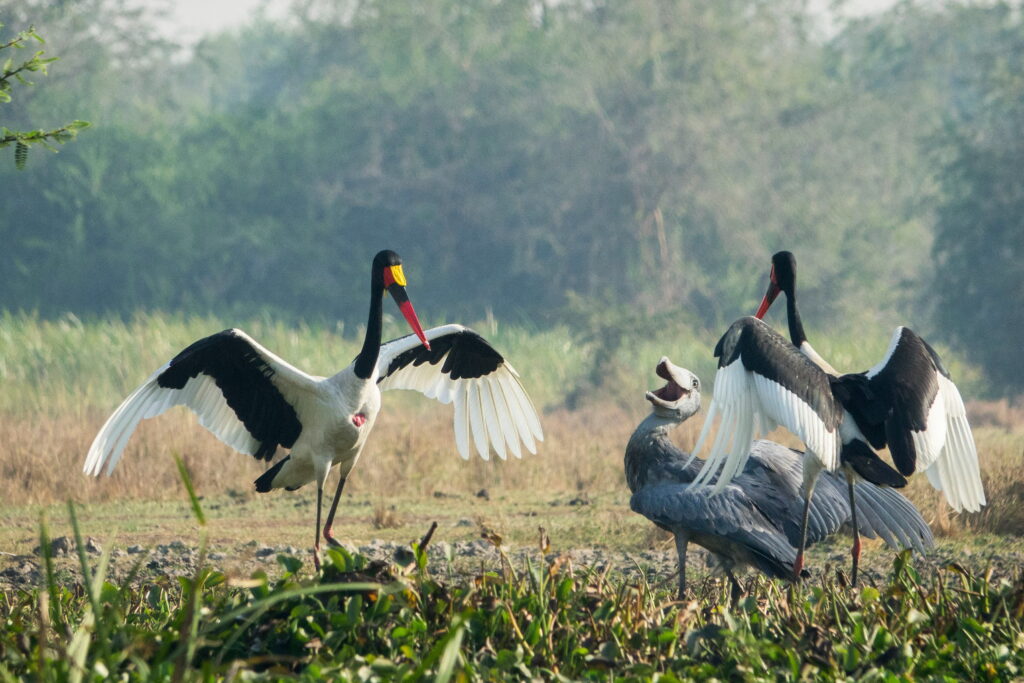
Exploring the Landscape of Shoebills at the Mabamba Bay Swamp
A tour through Mabamba Bay Swamp offers visitors a fascinating opportunity to explore the unique landscape that supports one of Africa’s most sought-after birds, the Shoebill. As you glide through winding waterways bordered by vast papyrus wetlands and floating vegetation, experienced guides provide insight into the intricate ecosystems that make this area a thriving wildlife habitat. These wetlands play a vital ecological role by filtering water, supporting fish populations, and providing refuge for countless bird species and other aquatic life. The perfect addition to your Uganda Bwindi gorilla trekking or Uganda Chimpanzee trekking tour!
Serene Atmosphere and Wildlife
Beyond its ecological significance, the swamp captivates visitors with its serene atmosphere, rich biodiversity, and breathtaking natural scenery, creating an unforgettable experience for nature enthusiasts and photographers alike. Mabamba Bay’s wetland system is also closely connected to the broader Lake Victoria ecosystem, highlighting the importance of conserving these interconnected habitats that sustain wildlife and local communities throughout the region.
Birdlife at Mabamba Bay: A Paradise for Birdwatchers
Mabamba Bay Swamp birdwatching offers an exceptional birding experience, drawing nature lovers and wildlife photographers eager to encounter the remarkable Shoebill in its wetland home. Known for its striking appearance and rare status, this fascinating bird is the highlight of many visits and remains one of Uganda’s most celebrated wildlife attractions. The swamp is also home to an impressive diversity of bird species, from colorful kingfishers and elegant herons to egrets, jacanas, and a variety of birds specially adapted to papyrus habitats. Throughout the year, the wetland becomes even more vibrant as migratory species arrive and mingle with resident bird populations, providing ever-changing opportunities for observation. Thanks to its rich ecosystems, abundant birdlife, and excellent wildlife-viewing conditions, Mabamba Bay continues to stand out as one of the finest destinations for birdwatching in East Africa.
The Shoebill Watching at Mabamba Bay
Shoebill watching at Mabamba Bay is one of Uganda’s most unique wildlife experiences, taking visitors deep into a vast wetland system where papyrus channels and shallow waters hide one of Africa’s most iconic birds. Exploring this peaceful swamp by canoe or motorized boat offers a quiet, immersive way to connect with nature while gliding through one of the country’s most important bird habitats.
Searching for Uganda’s Legendary Prehistoric-Looking Bird
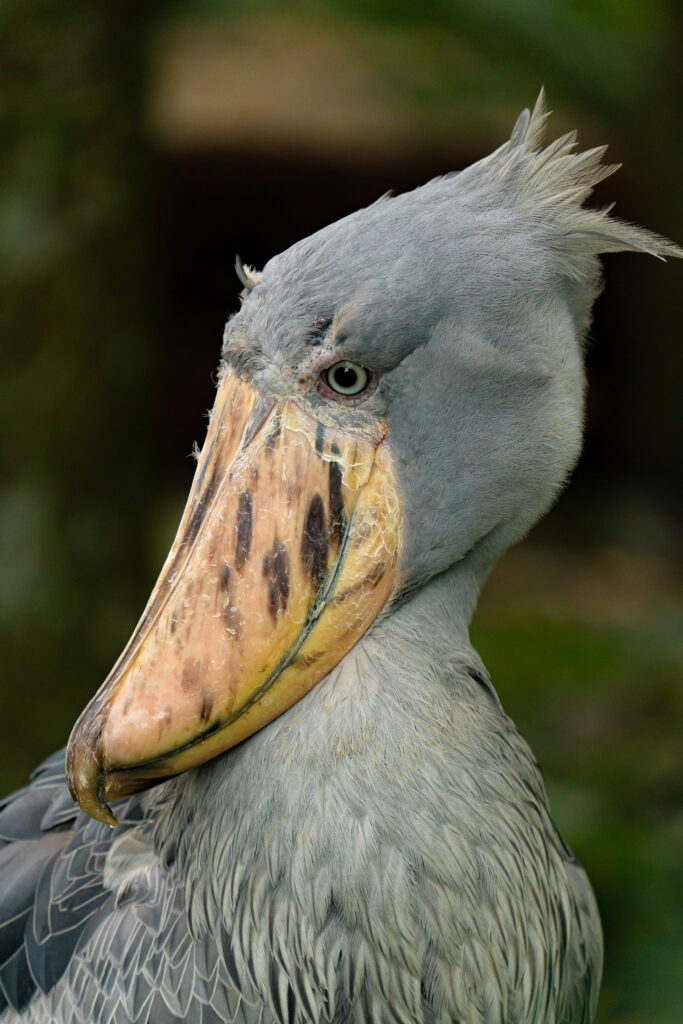
The main highlight of Mabamba Bay is the chance to search for the elusive shoebill stork, a rare and almost prehistoric-looking bird known for its massive shoe-shaped bill and still, statue-like behavior. Bird guides carefully scan the wetlands for subtle movements or silhouettes hidden among the reeds, turning the search itself into an exciting and patient wildlife tracking experience.
What Visitors Can Expect During a Shoebill Excursion
A typical shoebill excursion begins early in the morning with a guided boat journey through winding water channels surrounded by dense papyrus vegetation. Uganda tourists can expect a calm but focused search experience, where expert birders help navigate the wetlands, interpret bird calls, and position boats quietly for the best chance of spotting this legendary species in its natural environment.
Photography Opportunities and Unforgettable Wildlife Encounters
Mabamba Bay offers outstanding photography opportunities, especially when a shoebill is found standing motionless in shallow water, creating dramatic and memorable shots against the backdrop of golden reeds and open skies. Beyond the shoebill, photographers may also capture kingfishers, herons, and other wetland species, making every excursion rich with unexpected wildlife encounters.
Best Times and Conditions for Successful Sightings
 The best time to see shoebills at Mabamba Bay is typically during the early morning hours when the birds are most active and light conditions are ideal for observation and photography. The most productive months are generally June to September and December to February, when drier weather improves access and visibility across the wetlands. Calm winds, clear skies, and lower water levels also increase sighting success, making these periods the most reliable for an unforgettable shoebill encounter.
Overview of Shoebills In Rwanda
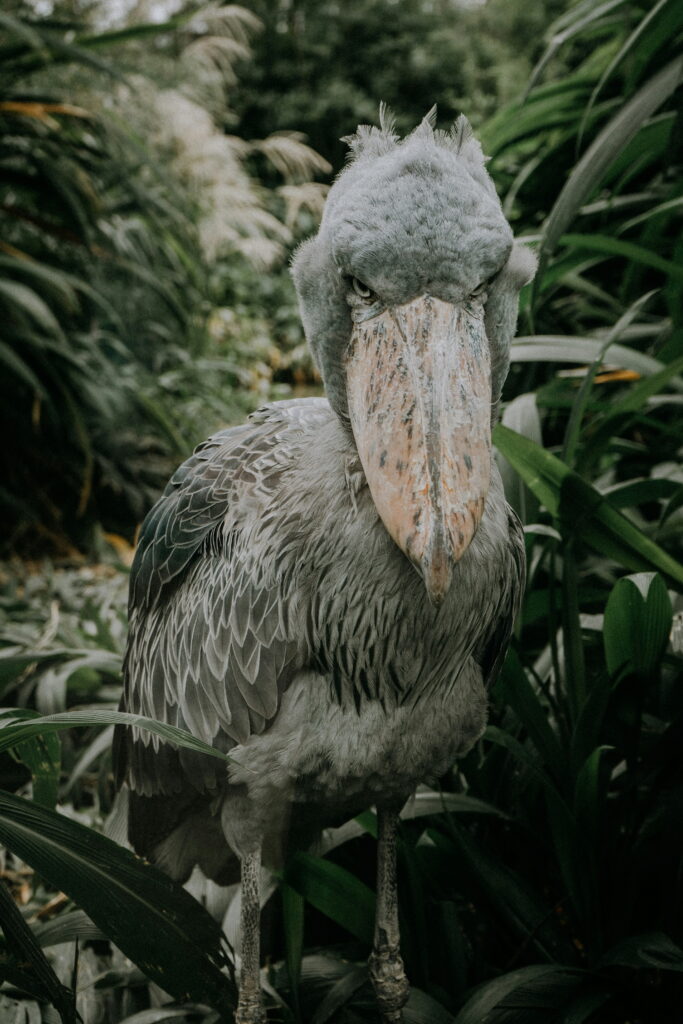
The shoebill stork (Balaeniceps rex) is one of the most distinctive and ancient-looking birds in the world, often described as a “living fossil” due to its dinosaur-like appearance. Standing up to 5 feet tall with a massive shoe-shaped bill, it is perfectly adapted for hunting in slow-moving freshwater swamps across East Africa. Despite its stork-like appearance, genetic studies place it closer to pelicans, making it a fascinating evolutionary outlier in the bird world.
Shoebill Habitat and Behavior in Wetland Ecosystems
Shoebills live almost exclusively in dense papyrus swamp systems and slow-moving freshwater wetlands, where water is shallow, oxygen-poor, and rich in lungfish—their primary prey. They stand for long periods in near-total stillness, often in water just deep enough to cover their legs, using minimal movement and slow head rotations to detect subtle surface disturbances before striking with explosive speed using their massive, hook-edged bill. Typically solitary outside of breeding pairs, they maintain large, well-defended feeding territories within reed-dominated channels, avoiding other large wading birds and even other shoebills except during courtship or nesting. Their preference for remote, undisturbed wetland interiors makes sightings highly location-specific, with birds often positioned along hidden channels where papyrus density provides both cover and optimal hunting conditions.
Shoebill Hunting Technique: From Stillness to Precision Strike
One of the shoebill’s most remarkable traits is its hunting strategy, which relies on patience, silence, and explosive precision. It can remain motionless for extended periods before striking with incredible speed, using its powerful bill to capture prey in shallow water. This unique behavior, combined with its prehistoric appearance, makes every sighting feel like witnessing a moment from another era.
Shoebill Predators in Rwanda
Shoebills in Rwanda occupy remote papyrus swamp environments that offer them strong natural protection, so adult birds rarely face direct predation in the wild. Their size, stealthy behavior, and ability to remain motionless for long periods make them extremely difficult targets for most wildlife predators. The greatest vulnerability occurs during the breeding stage, when eggs and chicks are left in open reed nests and become exposed to opportunistic threats within the wetland ecosystem. In these cases, predators that can navigate swamp terrain or access nesting sites may take advantage of unattended clutches, while human activity and habitat disturbance remain the most consistent long-term risks affecting population stability.
Examples of potential threats include:
- Nile monitor lizards raiding nests for eggs
- African rock pythons entering reed zones
- Marsh-dwelling mammals such as civets or genets
- Large predatory birds targeting unattended chicks
- Human disturbance, including habitat encroachment and egg collection
Overview of Shoebills – From Stork to Claws (Key Facts)
- Height: Up to 1.5 meters (5 feet) tall
- Wingspan: 2.3–2.6 meters (7.5–8.5 feet)
- Primary habitat: Papyrus swamps and freshwater wetlands
- Diet: Lungfish, catfish, frogs, and small reptiles
- Behavior: Solitary, extremely patient ambush hunter
- Conservation status: Vulnerable species due to habitat loss
- Best viewing locations: Mabamba Bay (Uganda), South Sudan, Zambia, and parts of DRC
Wildlife Beyond Birds in Mabamba Bay
While Mabamba Bay is world-famous for shoebill sightings, the wetland supports a surprisingly diverse ecosystem that extends far beyond its birdlife. Beneath the surface and among the papyrus channels, visitors may encounter semi-aquatic mammals, reptiles, amphibians, and countless aquatic species that depend on the swamp’s sheltered environment. The interconnected waterways of this Lake Victoria wetland create critical breeding, feeding, and nursery habitats for a wide range of wildlife that often goes unnoticed during birdwatching excursions.
Aquatic Life, Reptiles, and Smaller Wetland Species
The shallow waters of Mabamba Bay support an abundance of aquatic life, including lungfish (Protopterus aethiopicus), tilapia, mudfish, catfish, and numerous smaller fish species that attract predators such as shoebills and herons. Visitors occasionally spot Nile monitor lizards basking along papyrus edges, African mud turtles surfacing near channels, and harmless water snakes weaving through vegetation. The wetlands also teem with frogs, dragonflies, damselflies, freshwater crabs, and aquatic insects that form an important part of the food chain.
Species commonly found in Mabamba Bay include:
- African lungfish (Protopterus aethiopicus)
- Nile tilapia (Oreochromis niloticus)
- African sharptooth catfish (Clarias gariepinus)
- Nile monitor lizard (Varanus niloticus)
- African helmeted turtle (Pelomedusa subrufa)
- Reed frogs and African bullfrogs
- Freshwater crabs and aquatic snails
- Dragonflies, damselflies, and water beetles
Plant Diversity and the Vital Role of Papyrus Wetlands
The dense vegetation of Mabamba Bay serves as the foundation of the entire ecosystem, with papyrus reeds dominating much of the landscape. These towering plants create nesting sites, shelter, and feeding areas for wildlife while helping filter water flowing into Lake Victoria. Beyond papyrus, visitors will find floating water lilies, wetland grasses, sedges, reeds, and aquatic flowering plants that contribute to the wetland’s remarkable biodiversity. Together, these plant communities stabilize shorelines, reduce erosion, and create the ideal habitat for species such as the shoebill.
Important vegetation found throughout Mabamba Bay includes:
- Giant papyrus reeds (Cyperus papyrus)
- White and blue water lilies
- Floating aquatic grasses
- Sedge meadows
- Reed beds and marsh vegetation
- Wetland ferns
- Native aquatic flowering plants
- Lakeshore shrub communities
Encounters with Local Fishing Communities and Traditional Wetland Life
A visit to Mabamba Bay also provides insight into the daily lives of local communities that have depended on these wetlands for generations. Small wooden fishing canoes move quietly through the channels as fishermen check traditional nets and traps while navigating routes known only to locals. The rhythms of life here remain closely tied to the water, with fishing, papyrus harvesting, transportation, and small-scale agriculture continuing to support many families living along the wetland’s edges.
 Visitors may observe:
- Traditional dugout canoe fishing
- Hand-cast fishing nets
- Papyrus harvesting for crafts and construction
- Small lakeside settlements
- Local fish landing sites
- Community-guided wetland tours
- Traditional boat-building techniques
- Sustainable fishing practices passed through generations
The Balance Between People, Wildlife, and Conservation
Mabamba Bay represents one of Uganda’s strongest examples of how conservation and community livelihoods can work together. Local residents play an active role in protecting the wetland because healthy ecosystems directly support bird tourism, fishing resources, and long-term economic opportunities. Revenue generated from shoebill tourism helps encourage habitat protection while creating incentives to preserve the papyrus swamps that both wildlife and local communities depend upon.
Conservation efforts helping protect Mabamba Bay include:
- Community-led wetland protection programs
- Shoebill monitoring initiatives
- Sustainable fishing regulations
- Papyrus habitat conservation projects
- Eco-tourism employment opportunities
- Environmental education programs
- Lake Victoria wetland restoration efforts
- Partnerships between local communities and conservation organizations
Boat Tours Through the Wetland Channels
Book Your Mabamba Bay Shoebill Watching Tour Today
A visit to Mabamba Bay or Bigodi Swamp is more than just a birdwatching excursion—it is an opportunity to discover a peaceful side of Uganda that many travelers never see. From navigating tranquil wetland channels and searching for the iconic Shoebill to appreciating the rich biodiversity and local communities that depend on these ecosystems, every moment offers a deeper connection with nature. The combination of breathtaking scenery, remarkable wildlife, and conservation significance creates an experience that is both inspiring and unforgettable. For travelers seeking an authentic adventure beyond the traditional safari circuit, Mabamba Bay provides a unique perspective on Uganda’s natural heritage and leaves lasting memories long after the journey ends.
See What Our Guests Are Saying
 This is THE best tour company in Rwanda! - My husband and I had the absolute best experience with Amahoro Tours and highly recommend you book your Rwanda trip with them. Amos was extremely helpful and we fell in love with Rwanda in large part because we had such a great guide named Edmond who was very professional, prompt, and had a wealth of knowledge. He’s likely the best driver in the whole country so you should request him specifically! After visiting and working with other tour companies in Rwanda, Tanzania, and Zanzibar, we can confidently say Amahoro Tours was the best and we look forward to using them again in the future.

 travel_more202
January 10, 2026
Rwanda is Amazing - Had a fantastic experience with Amahoro tours (through jenman safaris).
We got to see such amazing wildlife in Rwanda as well as some cultural/historical places like the genocide memorial/the king's palace/hotel des milles collines. The gorilla and chimpanzee trekking were real highlights. Accommodations were excellent!
And of course, thank you to our guide/driver Mugabe in helping us get to our various locations and explaining various aspects about Rwanda!
 Connector38769434417
July 21, 2026