
Eco-Tourism Chimpanzee Trekking in Kyambura Gorge
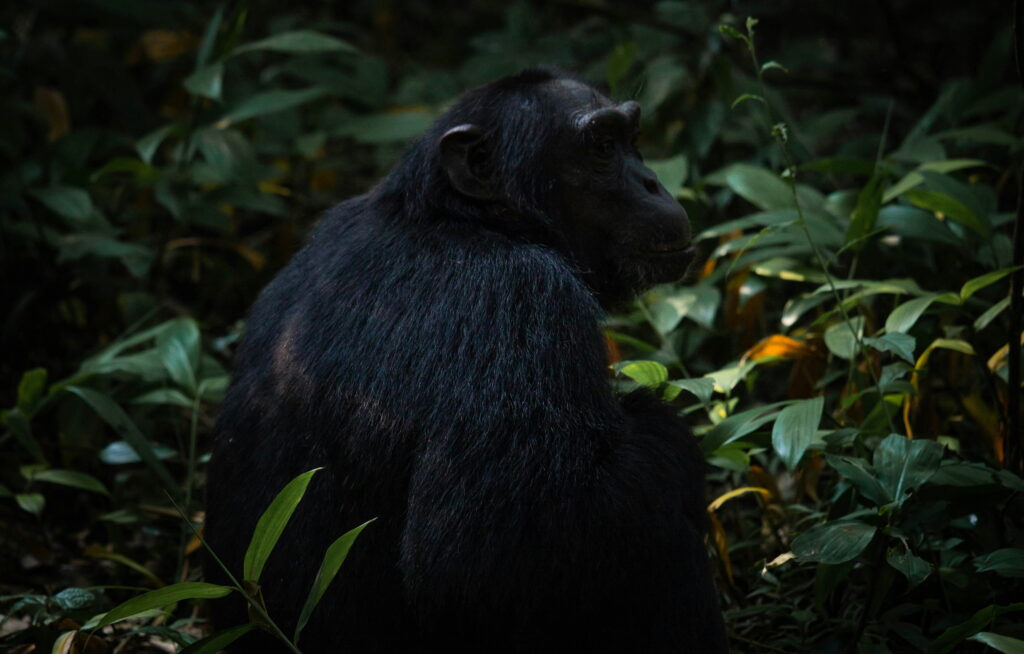
Hidden within the vast savannah of Queen Elizabeth National Park lies one of Uganda’s most breathtaking natural secrets—chimpanzee trekking in Kyambura Gorge, a dramatic rainforest canyon where chimpanzees thrive deep below the open plains. Stepping into the gorge feels like entering another world, where towering trees, tangled vines, and echoing primate calls replace the quiet grasslands above. Here, visitors have the rare opportunity to track a small and isolated community of chimpanzees living within this lush forest corridor carved into the landscape. The descent into the gorge brings a sense of anticipation, where every step through the dense vegetation could reveal movement in the canopy or the unmistakable call of a chimpanzee nearby. For travelers seeking a thrilling and unforgettable primate experience, chimpanzee trekking in Kyambura Gorge delivers adventure, discovery, and an extraordinary connection with Uganda’s wild heart. The perfect addition our 5 day gorilla trek Uganda, 4 days gorilla and golden monkeys tracking in Uganda or 4 day gorilla trekking Uganda. Learn more on why!
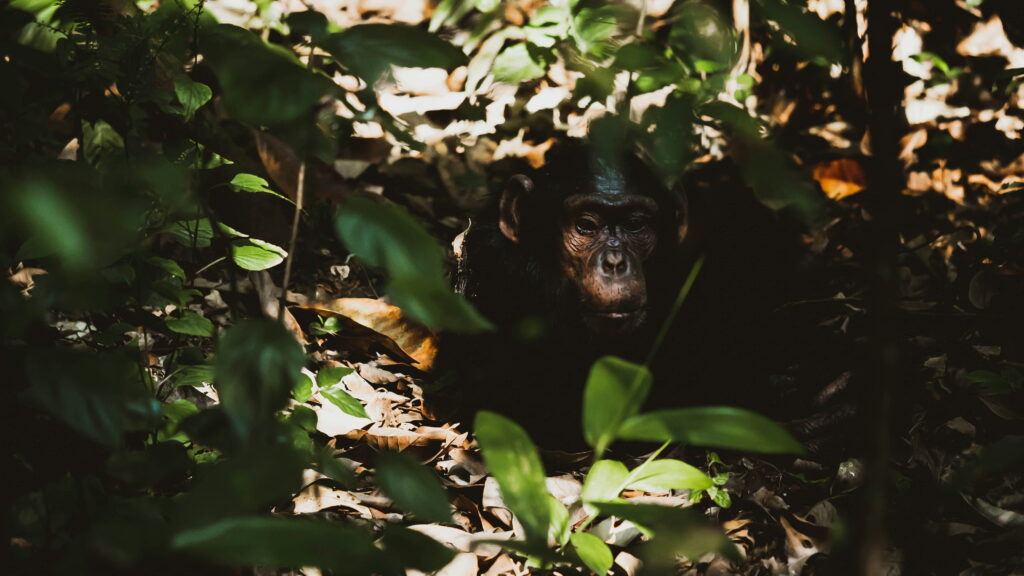
What Makes Kyambura Gorge Unique for Chimpanzee Trekking
Kyambura Gorge stands out among Uganda’s primate habitats because it combines dramatic geography with rich biodiversity in a surprisingly compact area. Unlike larger forested parks, this hidden gem offers an immersive encounter where the trek itself becomes part of the adventure. As visitors descend into the gorge, the landscape shifts abruptly—from open savannah dotted with acacia trees to a dense, shadowy forest alive with the calls of exotic birds, monkeys, and, of course, chimpanzees. This contrast not only heightens the sense of discovery but also creates a highly concentrated environment where wildlife can be observed in close proximity, making each chimpanzee sighting feel remarkably personal.
The “Valley of Apes” Landscape
Often referred to as the “Valley of Apes,” Kyambura Gorge is a deep, narrow cleft carved roughly 100 meters into the Ugandan savannah, forming a microcosm of rainforest within the surrounding grasslands. The trek begins across wide-open plains where elephants or antelopes might graze, then leads into the hidden gorge, where sunlight filters through towering trees and thick vines hang like curtains over mossy rocks. The steep walls and dense undergrowth provide both protection and food for chimpanzees, creating a lush, almost secretive ecosystem that feels worlds apart from the savannah above. This unique landscape allows trekkers to witness chimpanzee behavior in a setting that is simultaneously intimate, dramatic, and ecologically distinct.
A Rare and Isolated Chimpanzee Population in Kyambura Gorge
The chimpanzees of Kyambura Gorge represent a small, genetically distinct population that has been isolated from other groups for decades, if not centuries. This separation has allowed researchers to study social dynamics, communication, and tool use in a population less influenced by human contact or other chimpanzee communities. For visitors, this means every sighting is a rare glimpse into a fragile ecosystem, where families of chimps move quietly along riverbanks, swing effortlessly between branches, and occasionally pause to stare curiously at observers. Because trekking here draws fewer visitors than more prominent chimpanzee sites like Kibale, encounters are more serene, personal, and meaningful, offering a unique opportunity to connect with one of Uganda’s most vulnerable primate communities. Kyambura Gorge is definitely a location to find chimpanzees in Africa.
A Small and Closely Monitored Chimpanzee Population
The chimpanzees living within Kyambura Gorge form one of the smallest known habituated chimpanzee communities in Uganda, with researchers estimating the population to range between 20 and 30 individuals depending on births and natural migration patterns. Because the gorge is surrounded by open savannah and farmland, this community has remained largely isolated from other chimpanzee populations, creating a rare ecological pocket where scientists closely monitor family dynamics, births, and survival rates. This limited population size makes every sighting feel deeply personal, as visitors are often observing the same recognizable individuals that conservation teams have studied for years.
Distinct Family Structures Within the Kyambura Community
Like all chimpanzees, the Kyambura population lives in complex social families known as troops, structured around a hierarchy led by a dominant adult male. Within this community, several maternal family lines shape the social structure, with mothers raising infants that remain closely bonded for many years. Adult females often form strong alliances, sharing feeding areas and caring for young chimpanzees while maintaining subtle social boundaries within the troop. These family units shift and regroup throughout the day, creating a dynamic social environment that guides how the chimpanzees move through the gorge’s forest canopy.
Social Culture, Communication, and Daily Behavior
The Kyambura chimpanzees communicate constantly through a mixture of pant-hoots, grunts, screams, and drumming against tree trunks, forming a unique vocal culture that echoes through the gorge. Researchers have observed that this population uses vocal calls to maintain contact when spread across the dense forest, particularly when feeding or traveling along the gorge floor. Grooming rituals play a major role in maintaining social harmony within the troop, while playful interactions among juveniles help establish lifelong social bonds. These daily behaviors form the cultural rhythm of the group, offering visitors a rare window into the complex emotional and social intelligence of chimpanzees.
Isolation That Strengthens Conservation Importance
The geographic isolation of the Kyambura chimpanzees has made the community especially valuable to conservation research and protection efforts. Because the troop is separated from other chimp populations by savannah and human development, scientists closely track their health, breeding patterns, and long-term sustainability. Conservation programs within Queen Elizabeth National Park aim to protect the forest corridor of the gorge so that this small population can continue to survive and grow. For visitors, witnessing these chimpanzees is not just a wildlife encounter—it is an opportunity to observe a fragile and remarkable community that represents one of the most unique chimpanzee populations in East Africa.
Wildlife Encounters Beyond Chimpanzees
Kyambura Gorge offers a rare and intimate chimpanzee trekking experience within a dramatic “Valley of Apes,” where dense forest and deep cliffs create a unique habitat for primates and other wildlife. Beyond chimpanzees, visitors encounter a rich variety of animals, from colorful birds to elusive antelopes, making every trek an immersive journey into Uganda’s hidden rainforest ecosystem.
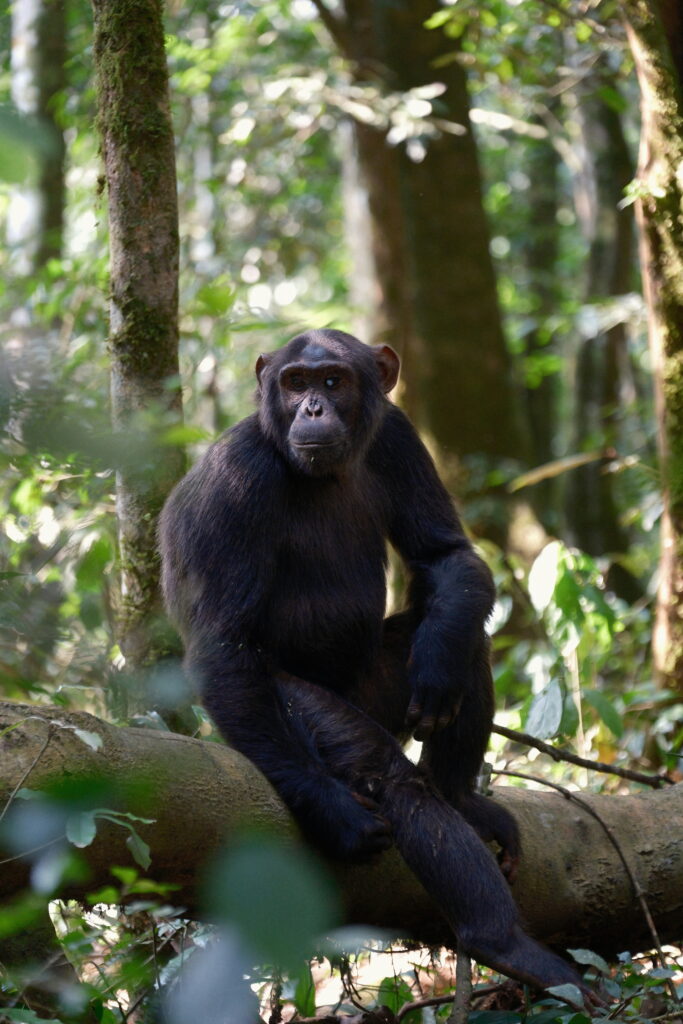 Key Highlights and Wildlife Examples:
-
Chimpanzee Population: Small, isolated, and genetically distinct, allowing for intimate and rare sightings.
-
Black-and-White Colobus Monkeys: Swing through the canopy, recognizable by their striking coats and long tails.
-
Red-Tailed Monkeys: Playful, agile primates often seen leaping along forest edges.
-
Forest Birds: Hornbills, sunbirds, and turacos fill the air with vibrant colors and unique calls.
-
Small Antelope Species: Duikers and bushbucks occasionally emerge along forest trails, adding surprise wildlife moments.
-
Riverine Wildlife: Crocodiles and waterbirds may be spotted along the Kyambura River that runs through the gorge.
-
Vegetation and Flora: Towering trees, thick vines, and moss-covered rocks create an ideal habitat for primates and other species.
-
Butterflies and Insects: Swarms of colorful butterflies and other insects add subtle beauty to the trek.
-
Primates Beyond Chimps: Occasional sightings of olive baboons and other monkey species along the forest edges.
Where Kyambura Gorge Is Located
Kyambura Gorge is nestled along the eastern boundary of Queen Elizabeth National Park in western Uganda, forming a dramatic natural corridor between the park’s expansive savannahs and hidden rainforest. Its position makes the gorge both accessible and strategically significant for wildlife, serving as a refuge for species that thrive in forested habitats while still being close to the park’s iconic grassland ecosystems. Visitors can easily combine a trek here with other park activities, making it a convenient yet extraordinary addition to any Uganda safari itinerary.
How to Get To Kyambura Gorge
Kyambura Gorge is located on the eastern edge of Queen Elizabeth National Park, and the most common access point is via the park’s Ishasha sector or the main Kasese–Queen Elizabeth route. From Kampala, the drive is approximately 6 to 7 hours (380–400 km) along mostly paved highways, passing through towns like Mbarara and Bushenyi, before turning onto the park’s access roads. Visitors traveling from Kasese can reach the gorge in roughly 1.5 to 2 hours (65 km), using a combination of paved and gravel roads that wind through farmland and small villages. Within the park, the final approach to the gorge involves a short drive along well-maintained dirt roads, often navigable with a standard 4×4 vehicle, although a safari vehicle is recommended for comfort and safety during the rainy season. Along the route, travelers pass through scenic landscapes of savannah, farmland, and the occasional crater lake, making the journey as visually rewarding as the destination itself.
Inside Queen Elizabeth National Park
Being part of Queen Elizabeth National Park, Kyambura Gorge benefits from Uganda’s well-protected conservation infrastructure and diverse ecosystems. The park is famous for its sweeping savannahs, crater lakes, and wetlands, and the gorge itself adds a unique rainforest microclimate that contrasts sharply with the open plains. This combination creates a layered wildlife experience where trekkers can see both elusive primates in dense forest and large herbivores just a short drive away, offering one of the most ecologically diverse safari settings in the country.
Nearby Safari Experiences
Visitors often pair chimpanzee trekking in Kyambura Gorge with a variety of other Queen Elizabeth National Park tours in Uganda. Game drives across the park’s wide savannahs allow sightings of elephants, lions, buffalo, and leopards, while boat cruises along the Kazinga Channel showcase hippos, crocodiles, and an array of waterbirds. Together, these activities create a full-spectrum wildlife experience, where the intimate rainforest encounters of the gorge complement the expansive vistas and iconic wildlife of Uganda’s premier safari destination.
What to Expect During a Kyambura Gorge Chimpanzee Trek
Chimpanzee trekking in Kyambura Gorge starts with a safety and orientation briefing from experienced Uganda Wildlife Authority guides, who explain the rules, etiquette, and safety precautions for interacting with these wild primates. After the briefing, visitors descend carefully into the gorge along narrow forest trails, moving from the open savannah into the shadowy rainforest where towering trees, thick vines, and dense undergrowth create the chimps’ natural habitat. Expert trackers move ahead through the forest, using calls, signs, and knowledge of chimpanzee behavior to locate the troop, then communicate with guides to lead visitors quietly and safely to the chimpanzees once they are found.
Unique Features of Kyambura Gorilla Trekking
Unlike larger, more frequented trekking destinations, Kyambura offers a rare opportunity to observe a small and isolated chimpanzee population in a serene, less-crowded environment. Visitors often spend one to two hours observing the chimps, who move fluidly through the trees, forage, play, and interact socially within their family units. The combination of steep gorge walls, dense rainforest, and intimate wildlife encounters creates a trekking experience that feels both adventurous and personal, offering unparalleled photography and wildlife observation opportunities.
Daily Flow of a Kyambura Gorge Chimpanzee Trek (with Expected Times)
-
7:00 AM – Arrival at Park Headquarters: Registration and briefing by UWA guides (30–45 minutes).
-
7:45 AM – Travel to Trek Starting Point: Short drive to the gorge trailhead via park roads (15–20 minutes).
-
8:00 AM – Begin Descent into the Gorge: Trek along forest trails into chimpanzee habitat (45–60 minutes).
-
9:00–11:00 AM – Chimpanzee Observation: Guided observation of the troop, with trackers leading visitors to sightings (1–2 hours, depending on troop location).
-
11:00 AM – Ascend from the Gorge: Return hike up to the trailhead (30–45 minutes).
-
11:45 AM – Debrief & Departure: Opportunity for photography, refreshments, and discussion with guides (15–30 minutes).
-
12:30 PM – Optional Transfer to Next Safari Activity: Drive to other Queen Elizabeth National Park experiences, such as game drives or Kazinga Channel boat cruises.
Duration and Trek Difficulty
The duration of a Kyambura Gorge chimpanzee trek can range from one to three hours, as it depends on the location, movement, and feeding habits of the chimpanzee troop. The trails involve a moderate level of difficulty, with a noticeable descent into the gorge followed by an ascent on the return, making it a rewarding challenge for visitors. While the hike is generally manageable for adults of all ages, younger children and older travelers may find certain sections slower-paced, so guides adjust the tempo to ensure everyone can enjoy the experience safely while taking in the forest’s unique sights and sounds.
The One Hour With the Chimpanzees
Once the trackers and guides locate the Kyambura chimpanzee troop, visitors are given a full hour to observe these remarkable primates up close in their natural forest home. During this dedicated sixty minutes, trekkers can watch adults foraging, grooming, and exchanging social cues, while the younger chimpanzees swing energetically through the trees and play with one another. Every moment offers something different: the soft rustle of leaves, a sudden call or laugh, or a curious glance from a chimp, creating a sense of connection and immersion that goes far beyond traditional wildlife viewing. This hour allows guests to fully absorb the magic of the gorge, where the intimacy of the setting and the rarity of the isolated troop make every gesture and interaction feel extraordinary.
The Best Time for Chimpanzee Trekking in Kyambura Gorge
Kyambura Gorge offers chimpanzee trekking year-round, with drier months making trails easier to navigate while the rainforest remains lush and vibrant. Trekking permits not only provide access to this incredible experience but also support vital conservation efforts that protect the chimpanzees and their forest home.
Drier Seasons
The months with less rainfall in Kyambura Gorge, typically June to August and December to February, create more stable and accessible trekking conditions, making trails along the steep slopes easier to navigate. With firmer paths and reduced mud, visitors can move through the forest more comfortably, allowing them to focus on spotting chimpanzees and enjoying the natural beauty of the gorge without worrying about slippery terrain.
Rainforest Conditions Year Round
Even during the drier months, Kyambura Gorge retains a lush, humid rainforest environment that supports its diverse wildlife. The dense canopy and thick vegetation maintain consistent moisture levels, ensuring that rain showers can occur at any time, creating a vibrant, green habitat where chimpanzees, monkeys, and countless other forest species thrive throughout the year.
Uganda Wildlife Authority Permits
Access to chimpanzee trekking in Kyambura Gorge is controlled through permits issued by the Uganda Wildlife Authority, ensuring that all visitors are guided safely and responsibly through the protected area. These permits are mandatory for trekking and provide a structured way for guests to experience the gorillas while respecting the forest ecosystem and the well-being of the chimpanzees.
Supporting Conservation Through Tourism
Permit fees from trekking not only allow visitors to enjoy the experience but also directly support conservation initiatives in Kyambura Gorge. Funds are used to protect chimpanzee populations, maintain the forest habitat, and support ranger programs and wildlife monitoring efforts, helping preserve this unique ecosystem for future generations while fostering sustainable tourism in Uganda.
Kyambura Gorge Compared to Other Chimpanzee Trekking Areas
The beautiful Kyambura Gorge offers an exhilarating chimpanzee trekking experience where every sighting feels personal and rare. The hidden rainforest canyon, dramatic terrain, and intimate encounters make it one of Uganda’s most thrilling and adventurous wildlife experiences.
A More Intimate Trekking Experience
Kyambura Gorge chimpanzee trekking adventure, thanks to its small, isolated troop and the gorge’s rugged, vertical terrain. Unlike larger Uganda chimpanzee trekking sites where multiple groups of visitors converge, here the forest feels secluded and quiet, allowing each sighting to be more private and immersive. The combination of narrow trails, dense vegetation, and towering trees enhances the sense of adventure, giving visitors the rare feeling of moving quietly through a hidden world where wildlife thrives largely undisturbed.
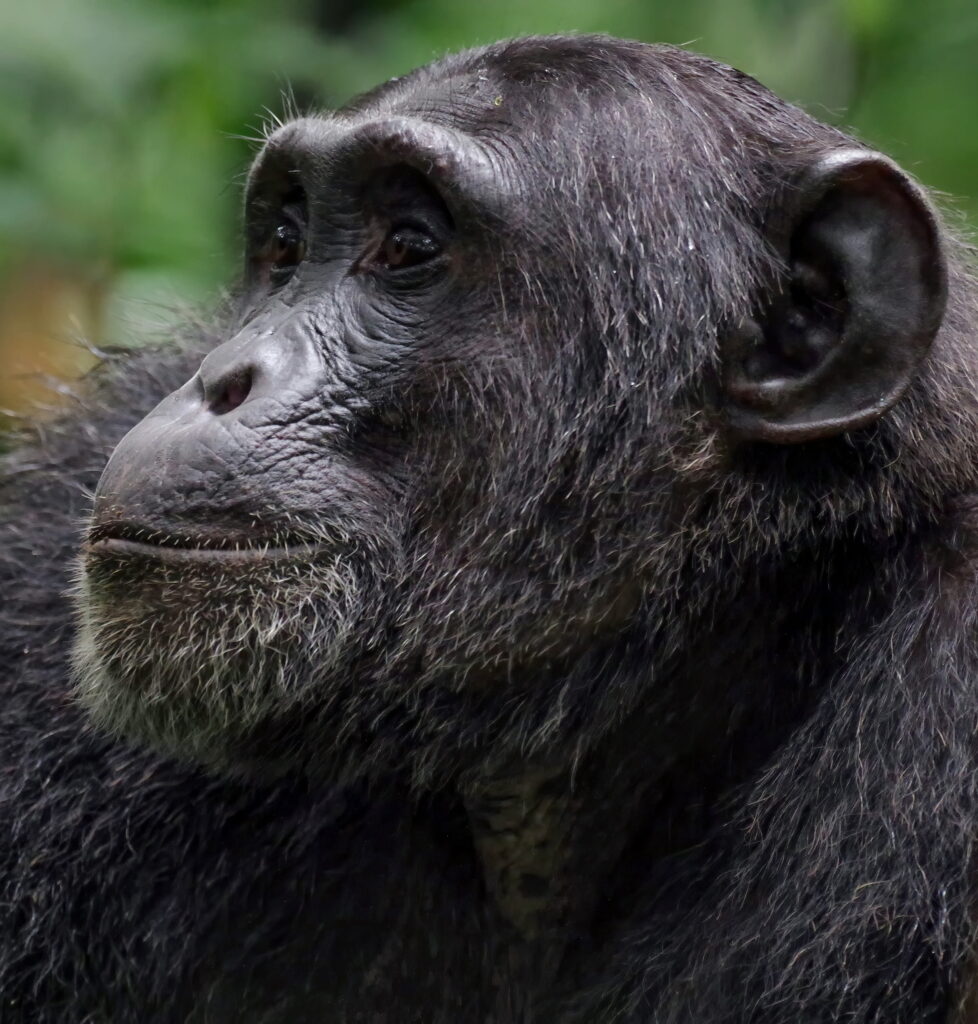 A Unique Alternative in Uganda
While Uganda is home to several renowned chimpanzee trekking destinations, including the famous Kibale Forest, Kyambura Gorge offers something entirely different. Nestled within a deep rainforest canyon, the gorge presents a hidden, almost secret ecosystem that contrasts sharply with expansive forest reserves. The challenge of descending into the gorge, navigating its dense vegetation, and observing a small, concentrated troop of chimpanzees makes this trekking experience a unique alternative for travelers seeking both adventure and a more intimate connection with Uganda’s primates.
Combining Kyambura Gorge With Other Uganda Primate Experiences
Many travelers design multi-day wildlife itineraries in Uganda that combine the intimate experience of chimpanzee trekking in Kyambura Gorge with the awe-inspiring adventure of gorilla trekking in Bwindi Impenetrable Forest. This combination allows visitors to experience two of Africa’s most iconic primates in their natural habitats, with each trek offering very different landscapes, behaviors, and encounters. The contrast between the steep rainforest canyon of Kyambura and the misty mountain slopes of Bwindi adds variety and depth to the safari experience, making it both thrilling and educational. For those seeking a comprehensive primate-focused adventure, pairing these two destinations is an ideal way to maximize wildlife sightings in a single journey.
Experiencing Uganda’s Great Apes
Uganda provides a unique opportunity to observe both chimpanzees and mountain gorillas in one trip, offering an extraordinary perspective on the diversity of the country’s great apes. Chimpanzees in Kyambura Gorge display playful social interactions and agility among dense forest trees, while gorillas in Bwindi reveal powerful family dynamics and gentle intelligence on the mist-covered mountains. Seeing these species in their natural settings highlights the differences in behavior, habitat, and group structure, creating a safari experience that is both emotionally moving and educational. For wildlife enthusiasts, this dual encounter is a rare and unforgettable way to connect with Africa’s primate heritage.
Planning Your Kyambura Gorge Chimpanzee Trek With Amahoro Tours
Amahoro Tours ensures every aspect of a Kyambura Gorge chimpanzee trek runs smoothly, from permits and logistics to expert guidance by local trackers, allowing visitors to fully immerse themselves in the adventure. By combining careful planning with responsible eco-tourism practices, travelers can enjoy unforgettable wildlife encounters while actively supporting the protection of chimpanzees, their habitat, and local communities.
Expert Safari Coordination
Tour operators like Amahoro Tours handle all the details of a Kyambura Gorge chimpanzee trek, from securing Uganda Wildlife Authority permits to arranging transportation and park logistics. This ensures travelers can focus entirely on the trekking experience without worrying about timing, paperwork, or navigating unfamiliar routes. Expert coordination also includes guidance from experienced local trackers and park rangers, enhancing both safety and the quality of wildlife encounters. By relying on professional planning, visitors can make the most of their time in the gorge and enjoy a seamless, memorable safari.
Responsible Eco-Tourism
Responsible travel in Uganda emphasizes the protection of wildlife, preservation of habitats, and support for local communities near Queen Elizabeth National Park. Choosing tours that prioritize eco-friendly practices ensures that chimpanzee and gorilla populations continue to thrive while sustainable benefits reach the people living alongside these protected areas. Trekking with mindfulness and respect for the environment allows visitors to enjoy unforgettable wildlife experiences without harming delicate ecosystems. By participating in conservation-focused tourism, travelers contribute directly to the long-term protection of Uganda’s natural treasures.
Discover the Hidden Chimpanzees of Kyambura Gorge
Chimpanzee trekking in Kyambura Gorge is more than a wildlife excursion—it is a journey into one of Uganda’s most dramatic and little-known natural worlds, where towering rainforest walls hide a fragile community of primates thriving against the odds. The descent into this remarkable canyon, the echo of chimpanzee calls through the trees, and the quiet moments spent observing their families in the wild create an experience that stays with travelers long after they leave the forest. For those planning a Uganda safari, adding Kyambura Gorge alongside gorilla trekking and other primate adventures brings depth, excitement, and a powerful connection to the country’s extraordinary biodiversity. With expert planning and a deep commitment to responsible travel, Amahoro Tours helps visitors experience this hidden Valley of Apes in a way that is both thrilling and meaningful. When the forest canopy begins to rustle and a chimpanzee suddenly appears above the trail, you realize that Kyambura Gorge is not just a place you visit—it is a moment of wild Africa that never fades. Book your tour today!
Please Fill Out The Form Below To Help Us Plan Your Perfect Tour
"*" indicates required fields
See What Our Guests Are Saying
 Rwanda is Amazing - Had a fantastic experience with Amahoro tours (through jenman safaris).
We got to see such amazing wildlife in Rwanda as well as some cultural/historical places like the genocide memorial/the king's palace/hotel des milles collines. The gorilla and chimpanzee trekking were real highlights. Accommodations were excellent!
And of course, thank you to our guide/driver Mugabe in helping us get to our various locations and explaining various aspects about Rwanda!

 Connector38769434417
July 21, 2026
This is THE best tour company in Rwanda! - My husband and I had the absolute best experience with Amahoro Tours and highly recommend you book your Rwanda trip with them. Amos was extremely helpful and we fell in love with Rwanda in large part because we had such a great guide named Edmond who was very professional, prompt, and had a wealth of knowledge. He’s likely the best driver in the whole country so you should request him specifically! After visiting and working with other tour companies in Rwanda, Tanzania, and Zanzibar, we can confidently say Amahoro Tours was the best and we look forward to using them again in the future.
 travel_more202
January 10, 2026